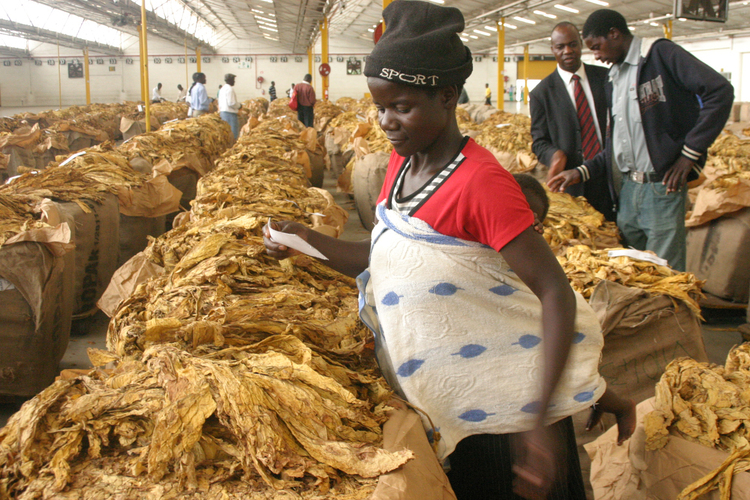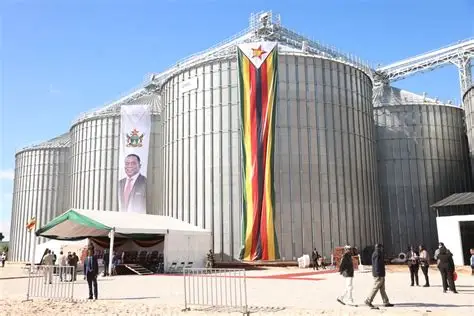
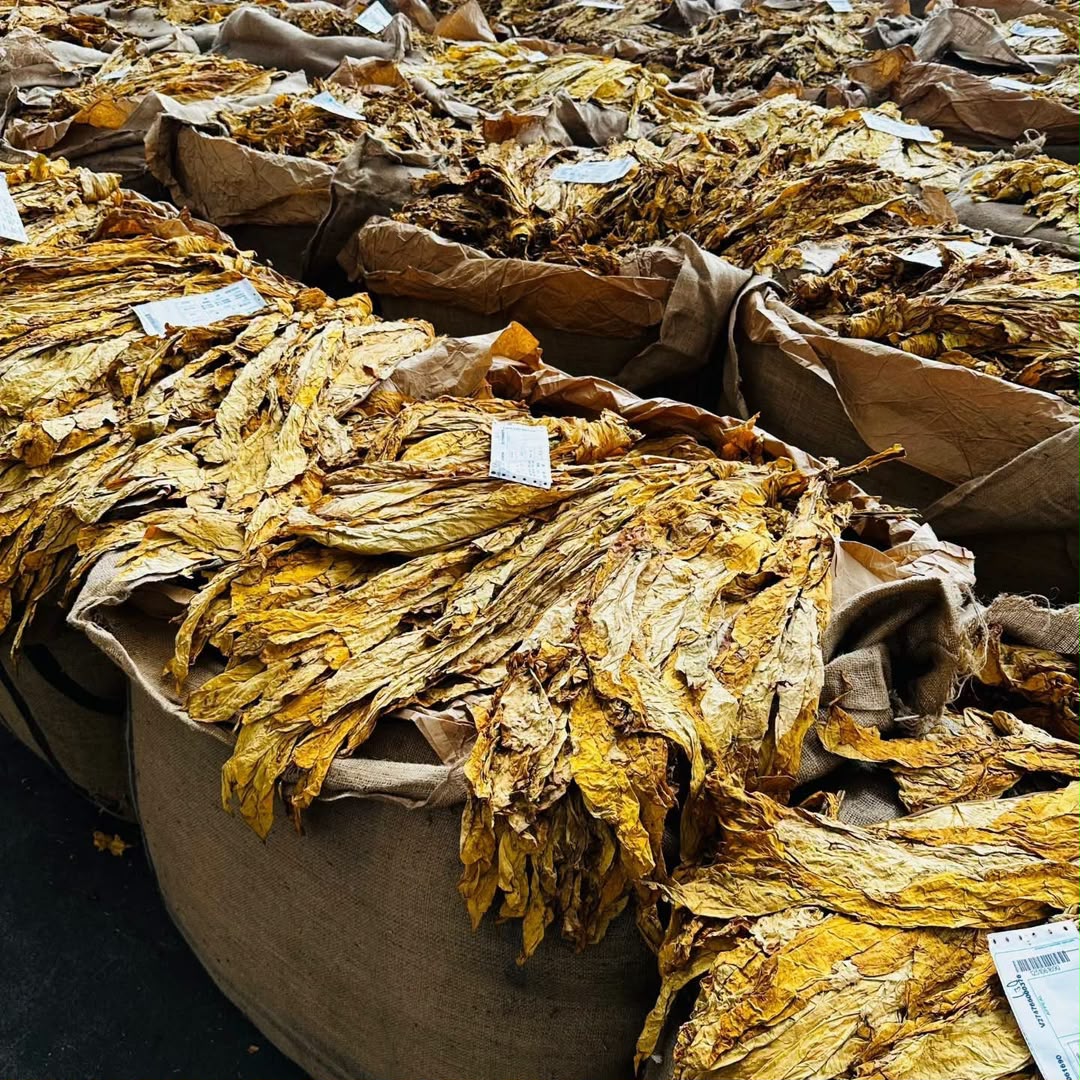
Zimbabwe’s tobacco industry is on course for another record-breaking year, with production expected to reach between 380 million and 400 million kilogrammes in 2026 as the country advances towards its Vision 2030 target of 500 million kilogrammes.
Speaking on the sidelines of the International Tobacco Growers Association (ITGA) Africa Regional Meeting in Harare, Minister of Agriculture, Mechanisation and Water Resources Development, Dr Anxious Masuka, said the sector continues to play a transformative role in the country’s economy.
“Tobacco production has grown by about 90 percent to a record 355 million kilogrammes in 2025,” said Dr Masuka.
“We are projecting production of between 380 million and 400 million kilogrammes this year as we move towards our Vision 2030 target of 500 million kilogrammes under the leadership of His Excellency, President Emmerson Dambudzo Mnangagwa.”
Dr Masuka described tobacco as a key driver of rural development, noting that the industry now supports more than 135,000 farmers, the majority of whom are smallholder producers.
“Tobacco is a rural transformation crop. More than 135,000 farmers are involved in its production, with about 85 percent being smallholder farmers who are earning an average of around US$10,000 annually,” he said.
He said while Zimbabwe has consolidated its position as Africa’s leading tobacco producer, greater emphasis is now being placed on value addition to maximise export earnings.
“We are learning from countries such as India to strengthen value addition and ensure we derive greater value from our tobacco industry,” said Dr Masuka.
International Tobacco Growers Association Chief Executive Officer, Mercedes Vasquez commended Zimbabwe’s tobacco industry, describing its crop as among the finest globally.
“Zimbabwean tobacco is recognised as one of the highest-quality tobaccos in the world because of its experienced growers and strong production systems,” she said.
Vasquez said sustaining that reputation would require greater focus on sustainability, traceability, environmental protection and compliance as international markets continue to tighten regulatory requirements.