…As Govt guarantees power, inputs and pest control support for farmers
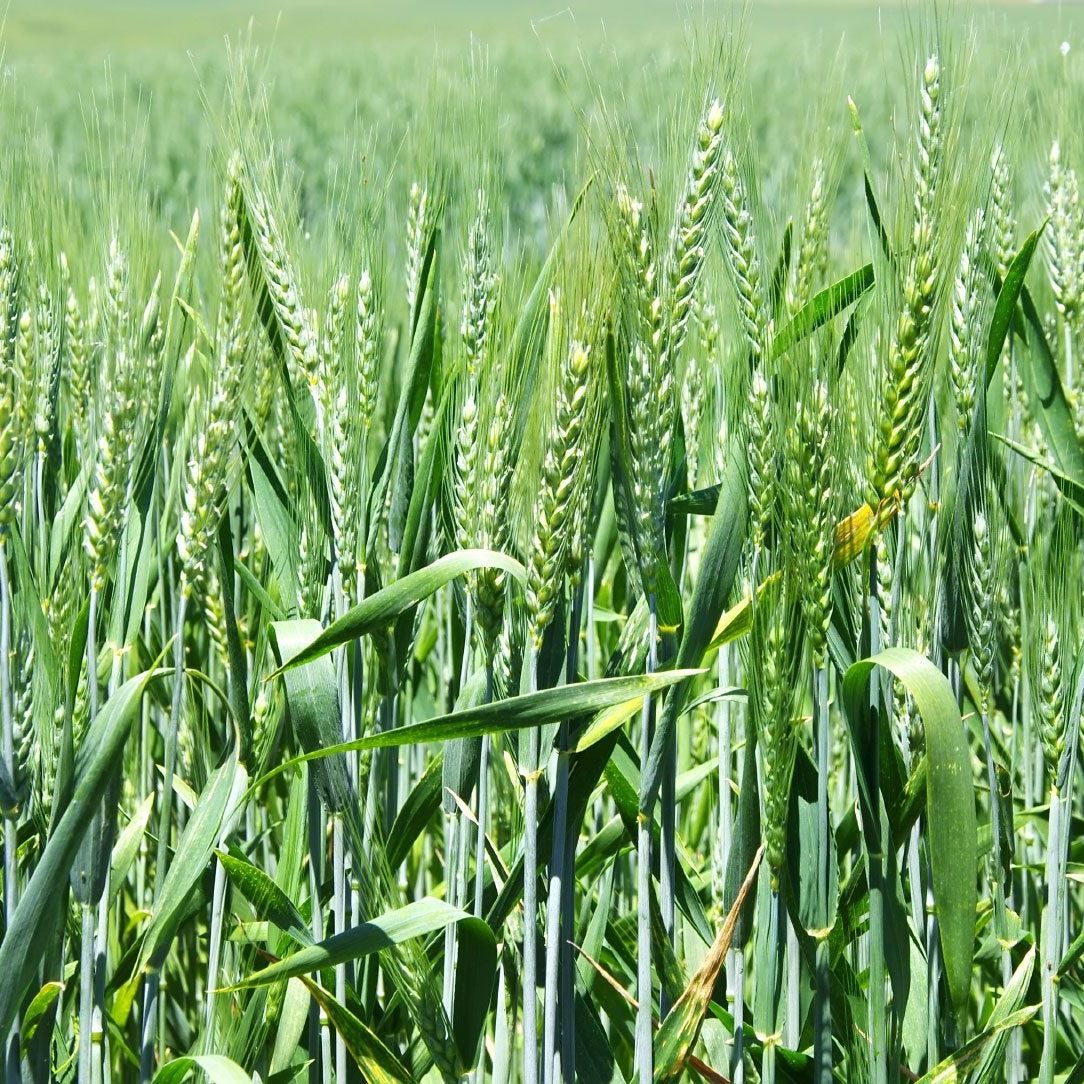
Zimbabwe’s winter wheat season has received a major boost after Government assured farmers that critical inputs, reliable power supplies and enhanced pest management measures have been secured to safeguard production and strengthen national food security.
Permanent Secretary in the Ministry of Agriculture, Mechanisation and Water Resources Development, Professor Obert Jiri said Government had put in place comprehensive measures to support farmers from planting through to harvesting, with particular attention given to irrigation, electricity supply and crop protection.
“Our job is to ensure food security everywhere, every day,” Prof Jiri said.
He said seed availability had not posed any challenges ahead of the wheat season, while adequate fertiliser supplies had been secured despite disruptions in international markets.
“Seed was never a stumbling block going into this season. On fertiliser, there were some challenges in the global market, but we had anticipated that and ensured that there were adequate supplies in the country before the season started,” he said.
Prof Jiri said water availability remained stable, particularly for irrigation farmers who contribute the bulk of the country’s wheat output.
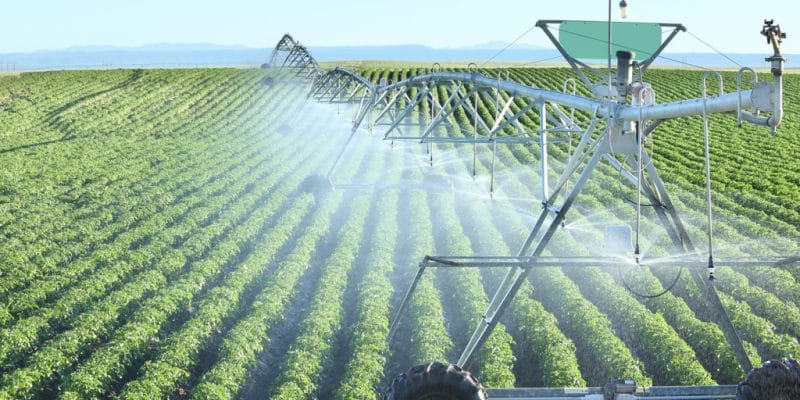
He said Government had also prioritised electricity supplies for wheat farmers, with the Ministry working closely with the Zimbabwe Electricity Supply Authority (ZESA) and the Zimbabwe Electricity Transmission and Distribution Company (ZETDC) to ensure uninterrupted irrigation operations.
“We have meetings with ZESA and ZETDC every two weeks to make sure that farmers have adequate power for irrigation,” he said.
The Permanent Secretary said ZESA had reserved 150 megawatts specifically for wheat production, adding that no major power disruptions had affected irrigation activities during the current season.
“So far, we are assuring our farmers that there is no challenge as far as power is concerned for their yield,” Prof Jiri said.
To improve response times, farmers have been organised into wheat clusters, with each cluster linked to ZESA through dedicated communication platforms to facilitate quick reporting and resolution of faults.
With production targets on course, Government has shifted focus towards improving yields, targeting a 30 percent increase in productivity through improved irrigation scheduling, efficient fertiliser application and enhanced pest control measures.
Prof Jiri said measures had been intensified to protect wheat fields from pests, particularly quelea birds, which pose a major threat during the grain-filling stage.
“The major pest that affects wheat is the quelea bird, especially the red-billed and red-headed quelea. We have pre-positioned chemicals for ground control and deployed nine operational drones to monitor and control roosting areas,” he said.
He added that helicopter support remained available where required as part of the Ministry’s rapid response strategy.
Prof Jiri said a reported grasshopper and locust outbreak in Mashonaland Central had been contained, describing it as a sporadic occurrence that was swiftly addressed through the country’s pest management systems.
“We have sufficient chemicals and a dedicated department responsible for migratory pest control. Our rapid response systems ensure that any outbreak is reported and attended to immediately,” he said.
He urged farmers across the country to remain confident as Government continues implementing measures to ensure a successful wheat season.
“Farmers from all 10 provinces and 35 000 villages, don’t worry. As far as power is concerned, the Ministry has got you covered,” Prof Jiri said.
Zimbabwe has prioritised wheat production as part of broader efforts to achieve national food security, reduce grain imports and strengthen resilience in the agricultural sector.