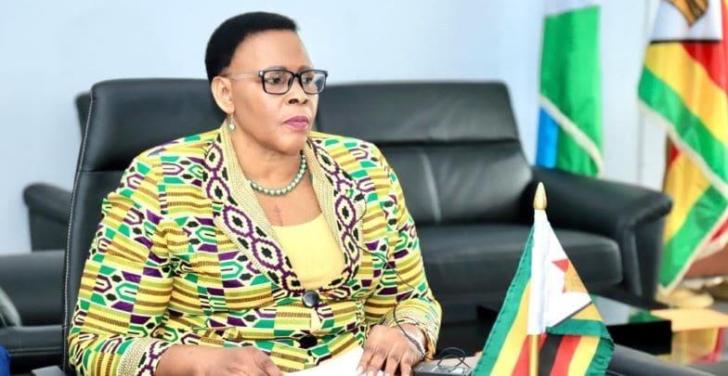
The President of the Senate, Mabel Chinomona, has called on African parliaments to play a leading role in advancing economic integration by aligning national laws and policies with the objectives of the African Continental Free Trade Area (AfCFTA).
Speaking during a session on The Role of Parliaments in African Economic Integration, AfCFTA and Industrialisation, Chinomona said the AfCFTA, together with Africa’s broader industrialisation agenda, was critical to achieving the aspirations of Agenda 2063, ‘The Africa We Want.’
“The AfCFTA is more than a trade agreement. It is Africa’s foremost vehicle for structural economic transformation. It provides an opportunity to move the continent beyond the export of raw materials toward value addition, beneficiation and industrialisation,” she said.
She commended the Pan-African Parliament for convening the discussion, saying it provided a timely platform to strengthen legislative support for continental economic transformation.
Chinomona said the AfCFTA was more than a trade agreement, describing it as Africa’s most important instrument for driving structural economic transformation.
“It provides an opportunity to move the continent beyond the export of raw materials toward value addition, beneficiation and industrialisation,” she said.
She, however, stressed that the agreement’s success would depend on the commitment of national legislatures to domesticate continental commitments through appropriate legislation, policies and budgetary support.
“The success of the AfCFTA will ultimately depend on how effectively national parliaments translate continental commitments into domestic law, policy and budgetary support,” Chinomona said.
She said parliaments had a critical oversight role in ensuring that governments implemented reforms needed to unlock the full benefits of continental trade and industrial development.
Her remarks come as African countries intensify efforts to implement the AfCFTA, which seeks to create a single continental market for goods and services while promoting industrialisation, value addition and greater intra-African trade.