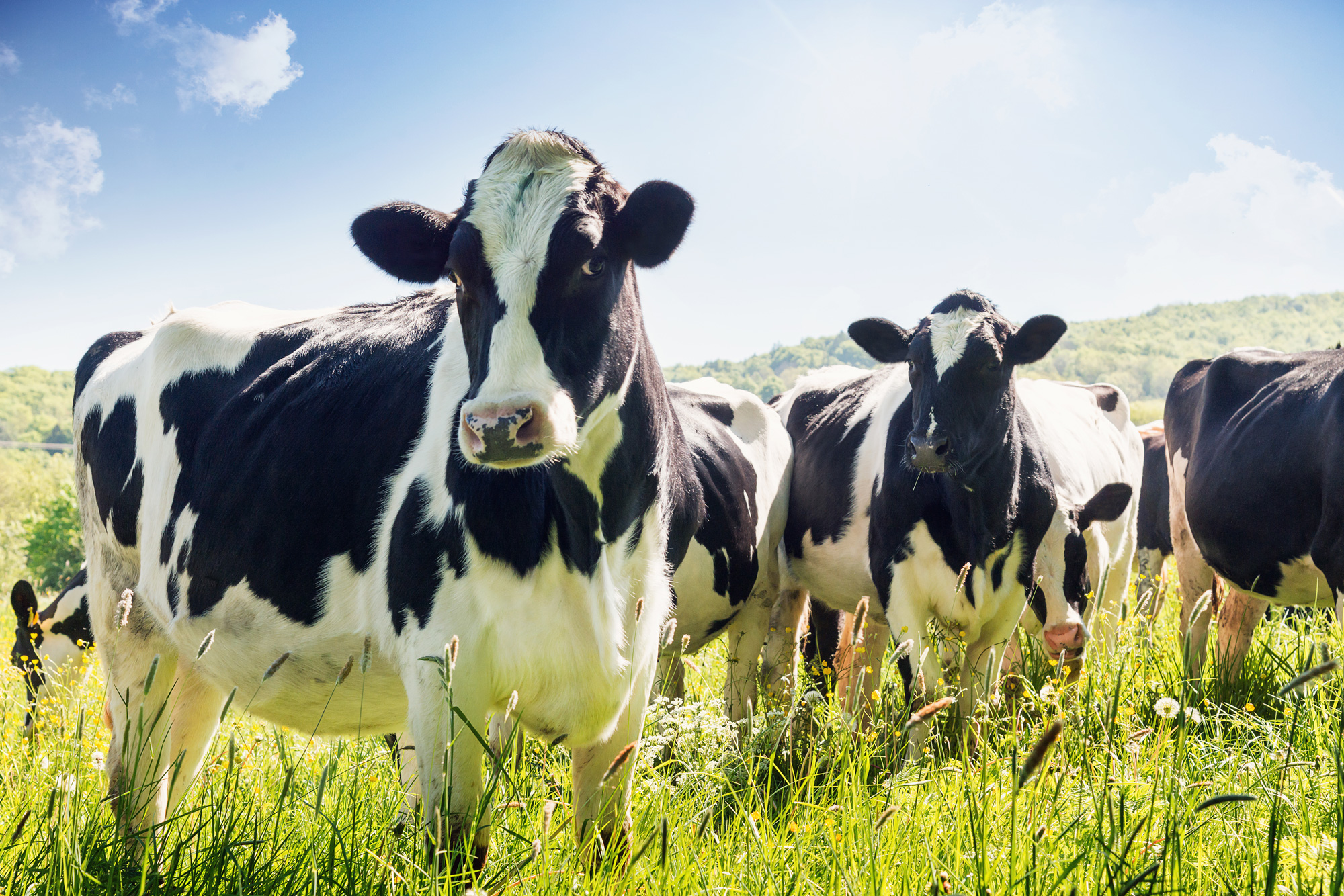
The national milk production has risen to 155 million litres in 2025, significantly reducing the country’s reliance on imports and creating fresh opportunities for local producers to meet growing domestic demand.
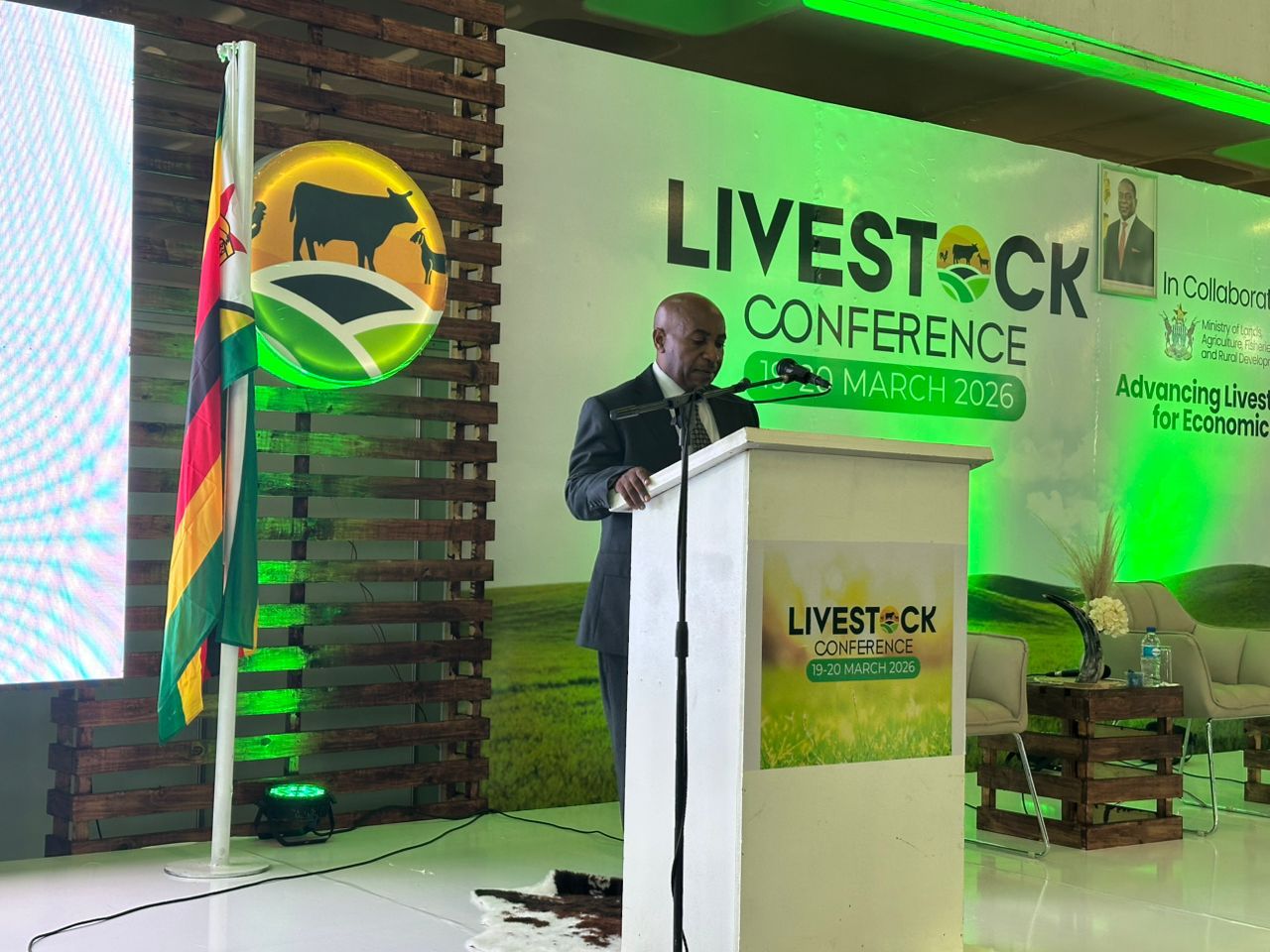
Speaking on the performance of the dairy sector, Lands, Agriculture, Fisheries, Water and Rural Development Minister Dr Anxious Masuka yesterday said the industry has made remarkable progress, with annual milk production increasing from less than 17 million litres in 2017 to 155 million litres in 2025, representing more than a nine-fold increase.
“The dairy sector continues on a strong recovery path. National milk production has increased from less than 17 million litres in 2017 to 155 million litres in 2025, demonstrating the positive impact of Government’s interventions and the resilience of our dairy farmers,” said Dr Masuka.
He said commercial dairy farmers remained the backbone of the industry, producing 122 million litres during the year, while smallholder farmers contributed 33 million litres, highlighting the growing importance of communal producers in strengthening national food and nutrition security.
“Commercial dairy farmers produced 122 million litres, while our smallholder households contributed 33 million litres. This is a clear indication that smallholder farmers are becoming an integral part of Zimbabwe’s dairy value chain and are making a meaningful contribution to national milk production,” said Dr Masuka.
The minister said although production has continued to rise, increasing consumer demand means Zimbabwe still faces a milk supply deficit that local farmers are well-positioned to address.
“Our domestic demand has grown to approximately 150 million litres. However, when powdered milk imports, equivalent to about 95 million litres of raw milk, are taken into account, Zimbabwe’s total annual milk requirement is estimated at between 220 million and 240 million litres.
This leaves a supply gap of between 65 million and 85 million litres, which presents significant opportunities for local producers to substitute imports with locally produced milk,” he said.
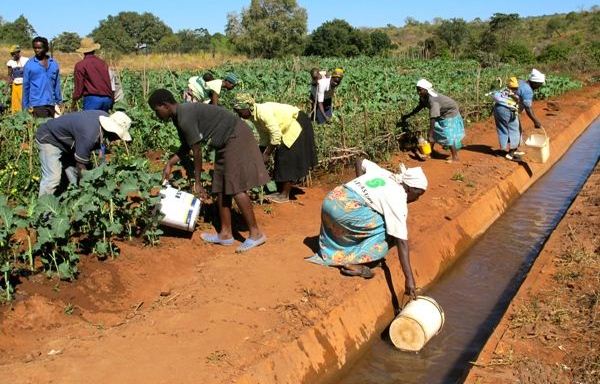
Dr Masuka said Government would continue implementing programmes aimed at increasing dairy productivity, improving access to quality breeding stock, expanding irrigation, strengthening feed production and enhancing extension services to support both commercial and smallholder dairy farmers.
“We remain committed to creating an enabling environment that allows our dairy industry to continue growing. Our focus is on increasing productivity, improving competitiveness and ultimately achieving national self-sufficiency in milk production while reducing the country’s import bill,” said Dr Masuka.
The continued growth of Zimbabwe’s dairy industry is expected to strengthen food security, create employment across the dairy value chain and contribute to the country’s broader agricultural transformation agenda.