Zimbabwe’s tourism sector continues to register strong growth, contributing US$1.3 billion to the country’s Gross Domestic Product (GDP) in 2025, up from US$1.1 billion in 2024, driven largely by increased domestic travel and a renewed focus on culture and heritage.
Speaking at the official launch of the Nhaka Yedu, Ilifa Lethu, Our Heritage’s domestic tourism drive at Baradzanwa Cultural Village, the Minister of Tourism and Hospitality Industry, Barbara Rwodzi, said the sector now accounts for 10 percent of the national GDP, reflecting its growing contribution to Zimbabwe’s economic development.
“The increase in domestic tourism trips by 13 percent shows that more Zimbabweans are exploring and appreciating the beauty of their own country,” Minister Rwodzi said. “Tourism is no longer only about international visitors; our local travellers are becoming a powerful engine of growth for the sector.”
The Minister emphasized that much of this growth is linked to the Government’s heritage-based tourism model, which places Zimbabwe’s culture, traditions, and identity at the centre of tourism development.
“His Excellency President Emmerson Dambudzo Mnangagwa has set a clear vision of attaining an upper-middle-income economy by 2030, anchored on a heritage-based economy,” she said.
“In line with this vision, the Ministry has implemented strategies that position culture and heritage as the backbone of tourism growth.”
Minister Rwodzi highlighted the expanding role of gastronomy tourism, which showcases Zimbabwean cuisine as a unique tourism product.
“This initiative celebrates our local dishes and has received global recognition, including accolades from UN Tourism and UNESCO,” she said.
She further noted that Zimbabwe’s tourism appeal is grounded in its people and the diverse range of attractions across the country.
“Our strength is in our culture, our heritage, and the warm, welcoming spirit of our people, which remains a key pillar of our tourism offering,” she said.
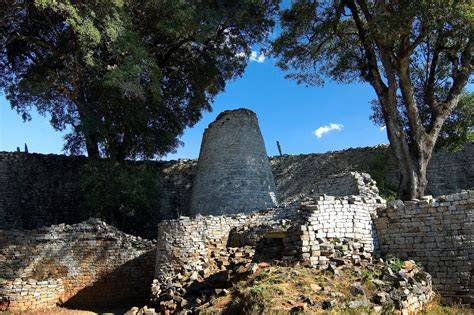
Popular destinations such as Victoria Falls, Great Zimbabwe, the Eastern Highlands, and Lake Kariba continue to anchor the sector’s growth.
Minister Rwodzi also underscored the success of the Ministry’s cluster-based approach, particularly the Culture and Heritage Tourism Cluster and the MICE (Meetings, Incentives, Conferences, and Exhibitions) Cluster, which have strengthened performance and generated higher revenues.
“Domestic tourism is a critical pillar for building resilience in our sector and ensuring sustainable growth,” she said.
“By telling authentic stories and promoting our heritage, we are creating experiences that go beyond sightseeing and foster meaningful cultural connections for both local and international visitors.”
The Ministry aims to sustain the momentum in domestic tourism while expanding its contribution to national development goals under Vision 2030. The heritage-driven approach is also aligned with Zimbabwe’s National Development Strategy 2 (NDS 2), which prioritizes economic growth, cultural preservation, and tourism-led job creation, ensuring the sector continues to play a strategic role in the country’s long-term economic transformation.
This focus on domestic tourism signals a shift towards building a resilient, people-centered tourism economy, leveraging Zimbabwe’s culture, heritage, and natural beauty to drive both local engagement and international recognition.