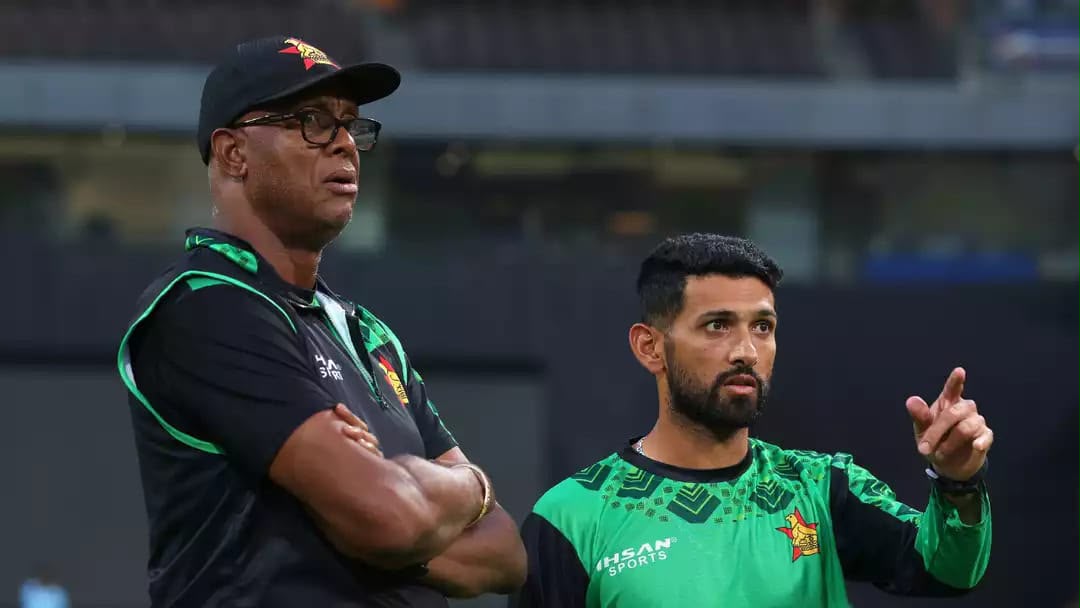

Zimbabwe’s premier fast bowler Blessing Muzarabani has been thrust into the global spotlight after being handed a dramatic two-year ban from the Pakistan Super League, a decision that has sent shockwaves through the cricketing world and sparked fierce debate about player commitments in the modern franchise era.
The controversy stems from a high-stakes decision that saw Muzarabani walk away from a confirmed contract with Islamabad United in the PSL after receiving a late opportunity to join Kolkata Knight Riders in the Indian Premier League. The towering paceman, known for his steep bounce and relentless pace, had initially aligned himself with the PSL franchise, only to reverse course when the IPL—the world’s most lucrative T20 competition—came calling. What might have seemed like a career-defining opportunity quickly turned into a disciplinary flashpoint.
The Pakistan Cricket Board responded decisively, ruling that Muzarabani had breached a legally binding agreement. In their view, the issue was not merely about one player’s change of heart, but about preserving the integrity of contracts in an increasingly crowded and competitive global cricket calendar. The result was a firm and highly publicised sanction: a two-season ban from the PSL, effectively shutting the Zimbabwean star out of one of the sport’s major T20 leagues until the penalty period expires.
This incident underscores a growing tension in international cricket, where overlapping tournaments are forcing players into difficult choices. The scheduling clash between the PSL and the IPL has become a recurring headache, with franchises competing not just on the field but for player loyalty. Muzarabani’s case, however, stands out for the severity of the punishment, signaling a tougher stance from cricket boards determined to deter similar moves in the future.
For Zimbabwe, the development is a significant blow, even if it does not directly affect his international availability. Muzarabani has become the spearhead of the national attack, a rare fast-bowling talent whose performances have elevated Zimbabwe’s competitiveness on the global stage. Franchise leagues, beyond financial reward, offer exposure to elite competition—something now partially curtailed by the ban.
As for Muzarabani himself, the episode represents a pivotal juncture in his career. While he continues his stint with Kolkata Knight Riders, the long-term implications of the ban remain uncertain. Will other leagues adopt similarly strict enforcement of contracts? Will players think twice before making late switches between tournaments? And ultimately, will this moment be remembered as a misstep—or as a necessary risk in the pursuit of cricketing success?
What is clear is that this saga has reshaped the conversation around professionalism in franchise cricket. In an era defined by opportunity, mobility, and financial stakes, Muzarabani’s story serves as a powerful reminder that even the biggest chances can come with consequences.