Government’s directive to ban the export of raw minerals is expected to accelerate value addition and beneficiation, creating employment opportunities and advancing Zimbabwe’s industrialisation agenda.
Anchored in national economic blueprints such as the National Development Strategy 2 (NDS2), the policy underscores a decisive shift toward processing minerals locally to maximise domestic economic gains.
The move is anticipated to spur the establishment of beneficiation centres across the country, positioning the mining sector as a key catalyst for job creation and industrial expansion.
Deputy Chief Secretary for Presidential Communications in the Office of the President and Cabinet, George Charamba, said the policy is designed to ensure that mineral wealth benefits Zimbabweans by retaining value within the domestic economy.
“We have disallowed mineral ores from being sent abroad in their raw form. What that means is, impliedly, we have insisted that those minerals must be processed at home. But once they are processed, that is not the end result. We want now to see how that processed product feeds into our industrial ambition as a nation, which means in respect of practically every mineral, we must have a value-addition chain which translates into an industry,” he said.
He added that exporting raw minerals amounts to exporting jobs and forfeiting the potential revenue embedded within ore bodies.
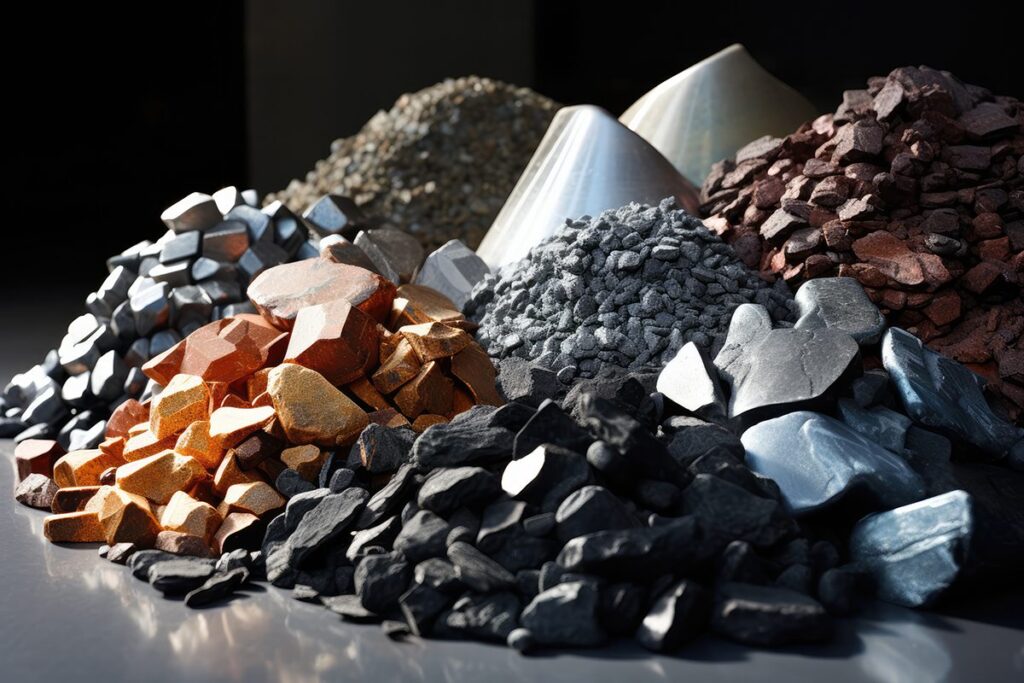
“When we allow our mineral ores to go abroad in their raw form, we are doing several things. We are prejudicing ourselves to the extent that we are sending an unpurified resource, which may contain many other mineral elements, to a foreign destination. Geologically, Zimbabwe is in a unique position where minerals rarely occur singly, our ore bodies typically contain combinations of gold, silver, iron, aluminium, lithium and many others.”
Charamba also highlighted the pivotal role of the informal sector in Zimbabwe’s economic transformation, describing it as an essential and legitimate component of the national economy.
“If you have an informal sector in any economy, it means someone has found a niche they are exploiting to provide a service. So you can’t criminalise it. I’m so happy that this time around, Government has been very clear to say that the informal sector is a legitimate player,” he said.
The export ban, which came into effect last month, covers a range of strategic minerals, including lithium concentrate, a key input in the global electric vehicle and battery manufacturing industries.
As Zimbabwe intensifies its drive for value addition, the policy is expected to position the country as a competitive player in global mineral value chains while stimulating local industrial growth.