Malnutrition continues to be addressed as part of broader efforts to strengthen human capital development and support national economic growth, with stakeholders calling for increased investment in nutrition programmes as a key pillar of Vision 2030.
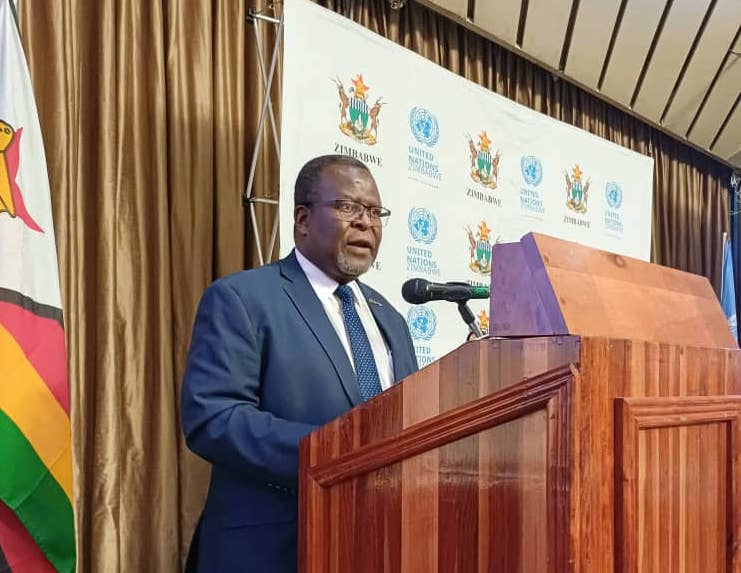
At a high-level nutrition meeting attended by development partners and Government representatives, exhibition stands showcased innovative, health-friendly food products aimed at improving diets and strengthening local food systems.
UNICEF Zimbabwe Representative, Dr Etola Ekole, said nutrition remains central to national development outcomes and long-term prosperity.
“Malnutrition is not just a health issue it is a foundation for human capital, economic growth and national development,” said Dr Ekole.
She highlighted the persistent burden of child malnutrition in the country.
“With 24 percent of children stunted and 54 percent affected by anaemia, Zimbabwe must move from commitment to investment,” she said.
Dr Ekole added that addressing malnutrition requires coordinated, multisectoral action.
“Malnutrition is driven by food systems, health, education, WASH and social protection. Addressing it requires coordinated, multisectoral action with shared accountability,” she said.
Participants at the meeting said strengthened collaboration between Government and development partners was helping to scale up nutrition interventions targeting vulnerable communities, with a focus on improving food systems and community resilience.
Deputy Chief Secretary in the Office of the President and Cabinet, Rev. Paul Bayethe Damasane, said nutrition remains central to the country’s development agenda and Vision 2030 aspirations.
“Nutrition is the fuel of Vision 2030,” said Rev. Damasane, adding that Government continues to support initiatives aimed at improving diets, strengthening food systems and building healthier communities.
He said nutrition interventions are being aligned with broader national development priorities to ensure sustainable impact.
Alongside the nutrition discussions, UNICEF Zimbabwe also highlighted ongoing public health interventions, including the second round of the polio immunisation campaign targeting selected districts.
“The second round of the polio immunisation campaign is vital to build long-lasting immunity and fully protect our children,” said UNICEF Zimbabwe, noting that the exercise runs from 2 to 5 June in 27 selected districts.
Parents and caregivers have been urged to ensure full participation in the campaign to strengthen routine immunisation coverage.
A health worker in Nyanga’s Spring Valley area also encouraged communities to participate in the vaccination drive.
“We are encouraging parents to bring children so they can receive the polio vaccine,” said the health worker, adding that the campaign is key to preventing preventable childhood diseases.
Officials said the combined focus on nutrition and immunisation reflects ongoing efforts to strengthen preventive healthcare systems and improve long-term development outcomes.