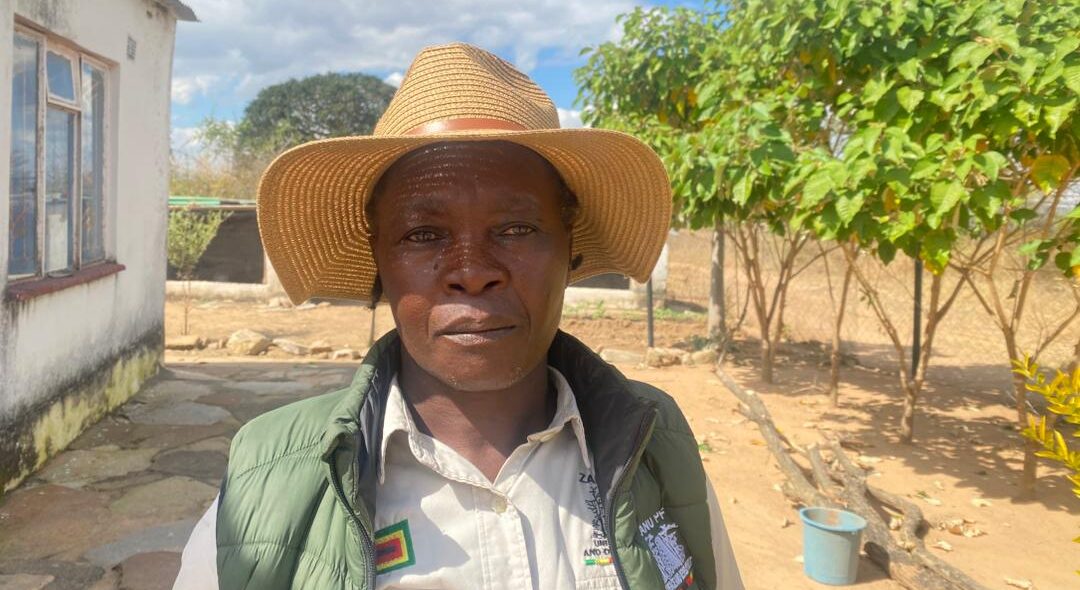
In Ward 12 of Chivi Central Constituency, Masvingo Province, a 58-year-old woman, Mecury Moyo is emerging as a symbol of rural economic self-reliance, transforming the President’s call for citizens to “make money and build their own country” into practical, village-level enterprise.
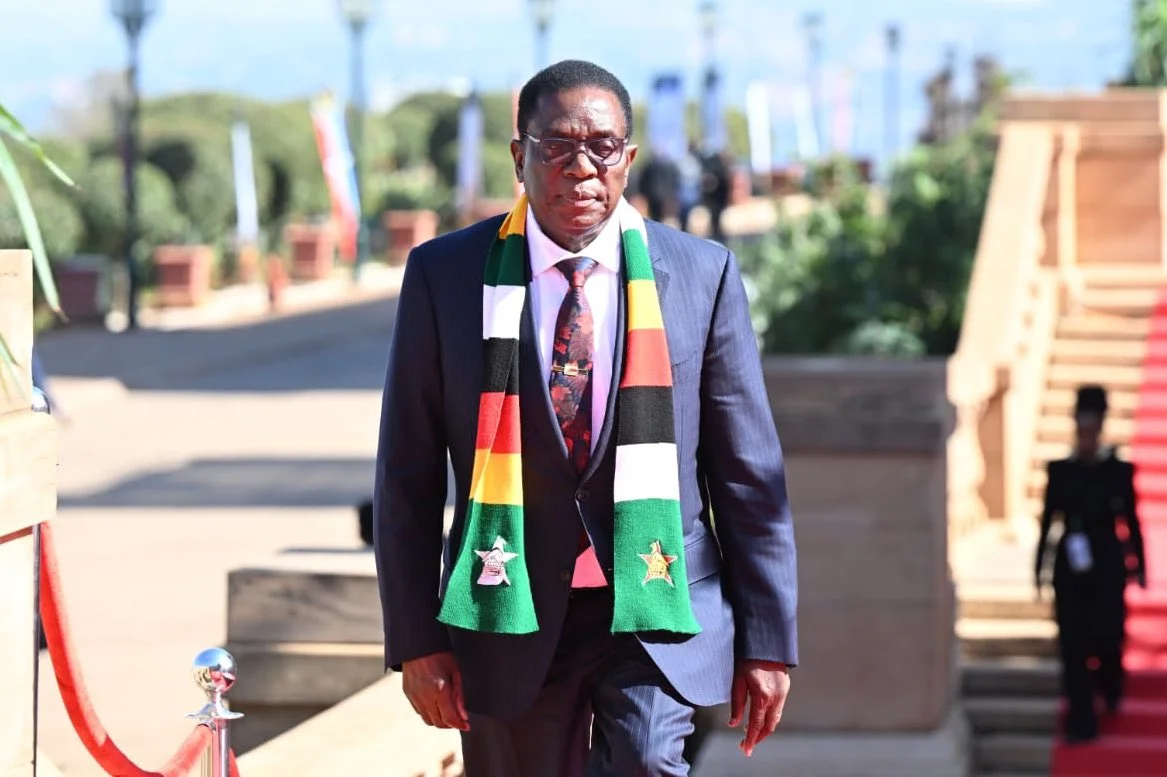
Speaking to the Harare Post at her homestead, the veteran community leader said she was motivated by President Emmerson Mnangagwa’s emphasis on local productivity and self-sufficiency, which she interpreted as a direct call for rural communities to use available resources to generate income.
“I am a farmer,” she said. “I don’t just depend on one thing. I have ventured into bees, chickens, grinding mills, and I also keep cattle and goats. Everything I have is about survival and building my household economy.”
Her agricultural activities are diverse and deliberately structured. She runs 15 beehives, producing honey for household consumption and potential sale. She also keeps poultry, including broilers and indigenous free-range chickens, which provide both nutrition and a steady income stream.
At her homestead, she has established two small grinding mills, one for maize meal and another for dehulling grain. These facilities serve not only her household but also nearby villagers, reducing the distance women travel for basic food processing and creating a small but important local service economy.
This year, she joined the Government’s wheat production programme aimed at boosting national grain output. However, like many farmers in Chivi’s semi-arid environment, she faces serious constraints due to lack of irrigation infrastructure.
“We are growing wheat, but we rely on rain-fed farming. I don’t have irrigation equipment, so I fetch water using a wheelbarrow,” she said, highlighting the resilience required to sustain production under difficult conditions.
Beyond her personal farming activities, she plays a significant leadership role in the community. As the ZANU PF Ward 12 Chairwoman, she oversees 32 villages and leads approximately 1,600 women.
Under her guidance, 17 cooperative groups and one Village Business Unit (VBU) have been established, aimed at promoting collective production, savings, and income-generating projects.
Moyo says the cooperative model is key to rural transformation.
“When women work together, they can start projects and support each other. Alone it is difficult, but together we can achieve more,” she said.
Mecury Moyo’s work reflects a growing shift in rural Zimbabwe, where women are increasingly combining traditional agriculture with small-scale enterprises to build resilience against drought, unemployment, and economic pressure.
In Ward 12, her leadership has become a practical example of how grassroots initiative can turn policy messages into lived economic action.