
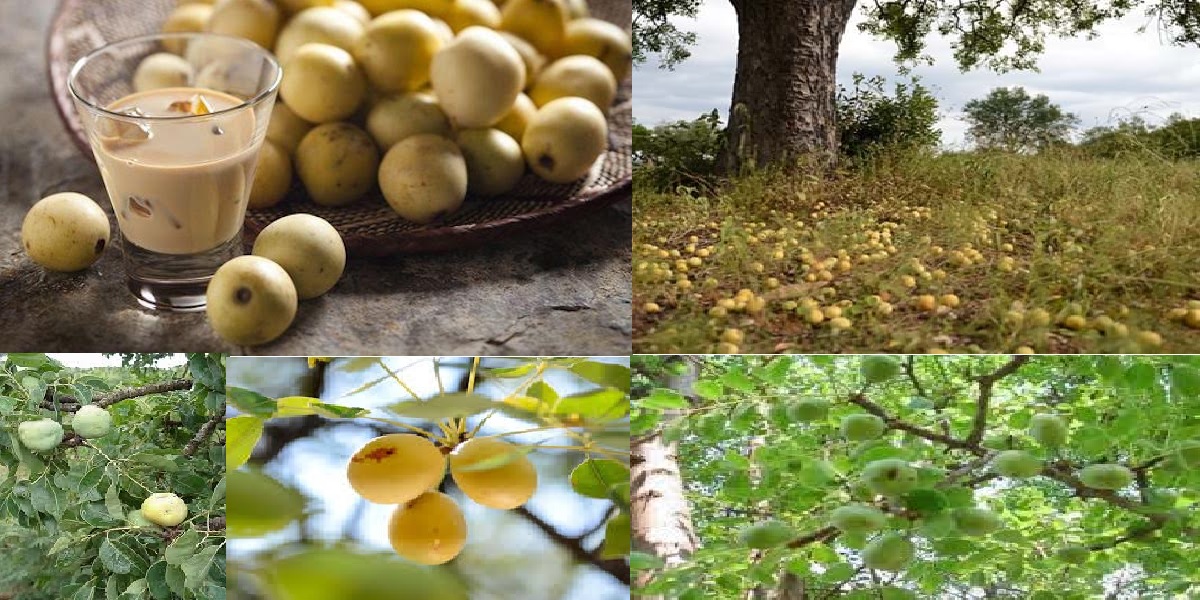
The National Biotechnology Authority (NBA) says its Mapfura (marula) value-addition project is strengthening rural industrialisation in Mwenezi, with the indigenous fruit now being processed into wine and a growing range of products distributed across Zimbabwe.
Speaking during the 14th Zimbabwe International Research Symposium (ZIRS), NBA officials said the initiative has transformed the once underutilised Mapfura fruit into a commercially viable commodity, linking scientific research, innovation and community development in rural areas.
NBA Chief Executive Officer, Dr Deckster Savadye said the project has developed into a full value chain that goes beyond wine production.
“It is a whole value chain that we are developing from Mapfura. We are now producing wine, but also looking at brandy, oil extraction, vinegar and other downstream products.”
He said the authority is working to ensure long-term sustainability through expanded cultivation of the indigenous fruit tree.
“We are also rolling out seed propagation programmes so that communities can plant more Mapfura trees. This is meant to secure supply and make sure the industry continues to grow,” he said.
Dr Savadye said the project is also addressing waste management through full utilisation of by-products.
“Nothing is going to waste in this value chain. We are using the residue from processing to produce briquettes and other useful materials that can support energy needs in communities.”
He said the initiative demonstrates how biotechnology can be used to drive rural industrialisation and economic transformation.
“This is about taking what we already have in our communities and turning it into value that benefits the people,” he said.
NBA Public Relations Manage, Brian Tomo said the project is already benefiting rural communities through employment and income generation.
“The community has realised a lot of benefits from these plants, and we are seeing improvement in the welfare of people in Mwenezi,” he said. “People are now participating in harvesting, supplying and benefiting from the Mapfura value chain.”
He said the initiative is helping to shift economic activity away from urban centres.
“What we are doing is rural industrialization. We are saying industrialisation does not have to be in cities only. It can happen in rural areas where the resources are.”
Tomo said the seasonal nature of the fruit has not limited production, as sourcing is now being done across different regions.
“The fruit is seasonal, yes, but it does not ripen at the same time everywhere,” he said. “So we are now sourcing from different parts of the country to ensure continuous production.”
He said the Mapfura project reflects the broader goal of linking research to practical community development outcomes.
“This is research that is not staying in the lab. It is being turned into products that people can see, use and benefit from,” he said.
The Mapfura project is a key example of rural industrialisation under the Second Republic’s development agenda, which prioritises value addition of local resources, job creation and reduced reliance on raw commodity exports.
The initiative is also part of Zimbabwe’s wider science, technology and innovation drive, which seeks to integrate indigenous resources with modern biotechnology to develop commercially viable products for both local and regional markets.



Government policies promoting beneficiation and local processing of minerals, support for agricultural value chains, and efforts to attract investment into resource-based industries demonstrate a commitment to ensuring that the country’s natural wealth generates broader economic benefits. Initiatives aimed at improving infrastructure, expanding energy access, and supporting rural industrialisation are also helping to create an environment where local industries can grow and create jobs.