Zimbabwe is calling for a new global approach to drought management anchored on prevention, resilience and increased climate financing as the country confronts growing threats to food production, water security and rural livelihoods.
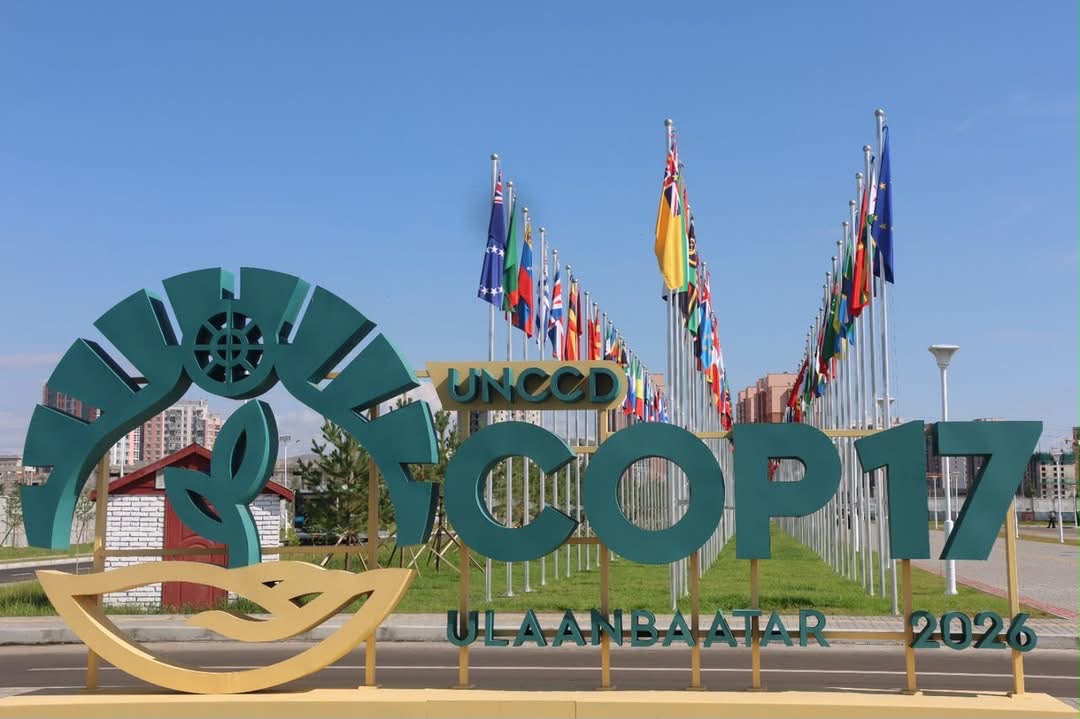
The call comes as nearly 200 countries meet in Ulaanbaatar, Mongolia, for UNCCD COP17, running from 17 to 28 August under the theme “Restoring Land. Restoring Hope.”
Permanent Secretary in the Ministry of Environment, Climate and Wildlife, Samuel Masanga, said recurrent droughts were threatening food production, water security and rural livelihoods, making stronger international support critical for countries such as Zimbabwe.
“The country is therefore pushing for a legally binding global drought protocol, alongside the Southern African Development Community and the Africa Group, seeking to move the international response away from emergency relief towards prevention, early warning, risk management and preparedness,” he said.
Zimbabwe is also seeking improved access to international climate and environmental financing through mechanisms such as the Global Mechanism, Global Environment Facility and Green Climate Fund.
The country is exploring innovative financing instruments, including drought-resilience bonds, carbon credits and micro-insurance, while initiatives emerging from the Riyadh Global Drought Resilience Partnership could provide additional opportunities to finance Zimbabwe’s Drought Investment Plan.
Masanga said such financing could be channelled towards practical interventions at home, including conservation agriculture under Pfumvudza/Intwasa, restoration of the Save and Runde river catchments and strengthening rural water supplies through solar-powered boreholes.
The push comes as COP17 places drought resilience, water security, land restoration and sustainable food systems at the centre of global efforts to address land degradation.
Zimbabwe is also prioritising the sustainable management of rangelands, with 2026 marking the United Nations International Year of Rangelands and Pastoralists.
“The country is seeking greater international investment in sustainable management of communal grazing areas, including holistic planned grazing, community based natural resource management and indigenous fodder conservation,” Masanga said.
The measures are particularly important for communities in the country’s drier Natural Regions IV and V, where livestock production and communal grazing are central to household livelihoods.
Zimbabwe is further using the conference to strengthen its position within SADC and the wider African negotiating bloc, including in discussions on the UNCCD budget, programme of work and the integration of science into policymaking.
Masanga said Zimbabwe wanted global decisions on land restoration, drought and financing to translate into resources, technology and technical assistance for vulnerable countries.
“By helping shape international decisions on land restoration, drought and financing, Zimbabwe aims to ensure that resources, technology transfer and technical assistance reach countries facing severe land degradation and desertification,” he said.
At national level, the Ministry of Environment, Climate and Wildlife is already implementing sustainable land management projects under the Global Environment Facility’s seventh funding cycle.
The Drylands Sustainable Landscapes Impact Programme (DSLIP) is being implemented in Manicaland, Masvingo and Midlands provinces, supporting Zimbabwe’s broader efforts to restore degraded landscapes and strengthen community resilience.
Zimbabwe’s participation at COP17 therefore comes with a dual objective: influencing global policy and financing while showcasing local initiatives that can be scaled up to confront the country’s growing drought and land degradation challenges.