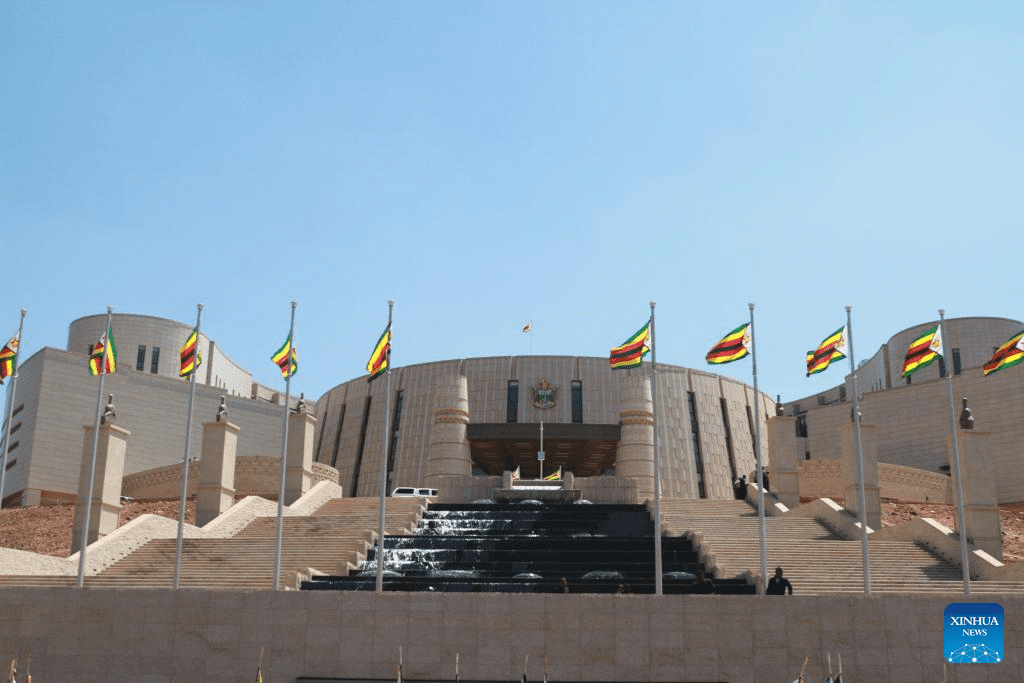
Parliament today began nationwide public hearings on the Whistle Blowers and Witness Protection Bill, seeking public input on proposed legal safeguards for whistleblowers and witnesses.
The Bill seeks to protect people who expose corruption and other crimes, as well as witnesses involved in criminal proceedings.
The Portfolio Committee on Justice, Legal and Parliamentary Affairs said it is conducting the hearings jointly with the Executive of the African Parliamentarians Network Against Corruption.
“Under the schedule, Team A will conduct hearings in Bindura and Shamva today, followed by Harare and Chitungwiza tomorrow, Seke and Marondera on Wednesday, Mutare and Nyanyadzi on Thursday, and Masvingo and Gutu on Friday,” said the committee.
“Team B will cover Norton and Chinhoyi today, Kwekwe tomorrow, Lupane and Umguza on Wednesday, Gwanda and Umzingwane on Thursday, before concluding in Bulawayo on Friday.
Most venues will host two sessions a day, allowing communities and stakeholders to make submissions on the proposed legislation.”
The hearings come as Parliament moves to gather views from members of the public, interested groups and organisations before the Whistle Blowers and Witness Protection Bill [H.B. 4, 2026] proceeds through the legislative process.
The Bill seeks to establish a legal framework for protecting whistleblowers who report corruption and other crimes, as well as witnesses who participate in legal proceedings.
Parliament has invited members of the public, organisations and other interested stakeholders to attend the hearings and make submissions.
Written submissions can also be submitted to the Clerk of Parliament, while electronic copies of the Bill are available on Parliament’s website or upon request.
To ensure the hearings remain orderly and focused on public consultation, Parliament has put in place access guidelines requiring participants to attend in civilian attire, without military uniforms, rank insignia, flags or political party regalia.
The hearings which run from 24 to 28 August will be conducted across all 10 provinces and are expected to help Parliament gather views from across the country, identify areas requiring clarification or strengthening, and ensure the final legislation reflects the concerns and expectations of the public before it is enacted.