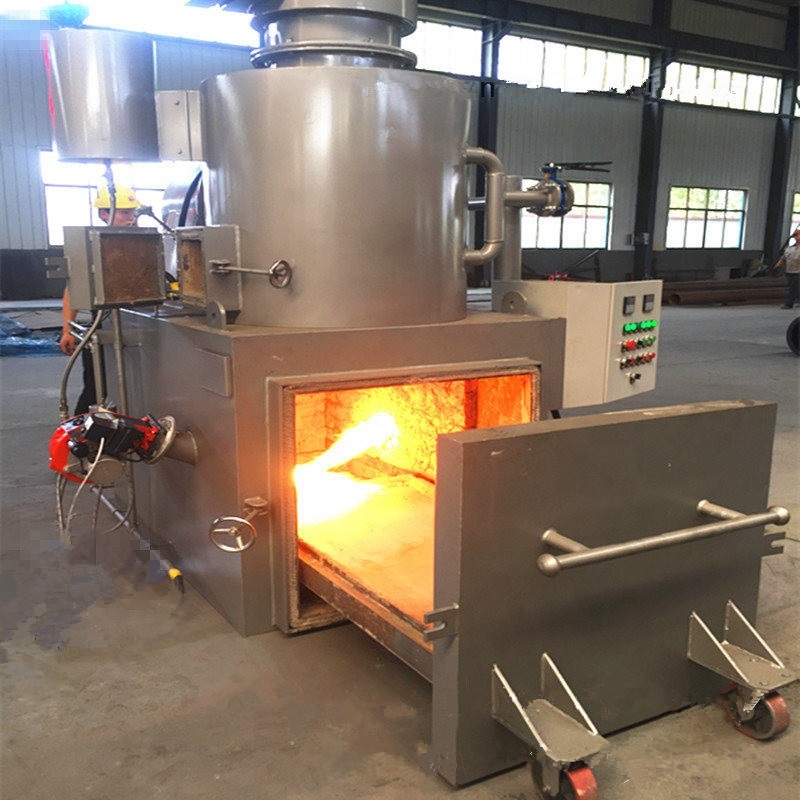
Government has commissioned a modern medical waste incinerator, at Parirenyatwa Group of Hospitals, in Harare.
Speaking at the handover and official opening of the facility, yesterday, Deputy Minister of Health and Child Care, Sleiman T. Kwidini, said the incinerator marked an important milestone in the modernisation of the country’s healthcare waste management system.
“This facility is not simply infrastructure; it is a symbol of progress, cooperation and our shared commitment to protecting public health and the environment.
“Zimbabwe had for years faced challenges associated with inadequate waste management systems, outdated technologies and limited infrastructure, exposing healthcare workers, patients, communities and the environment to risks,” he added.
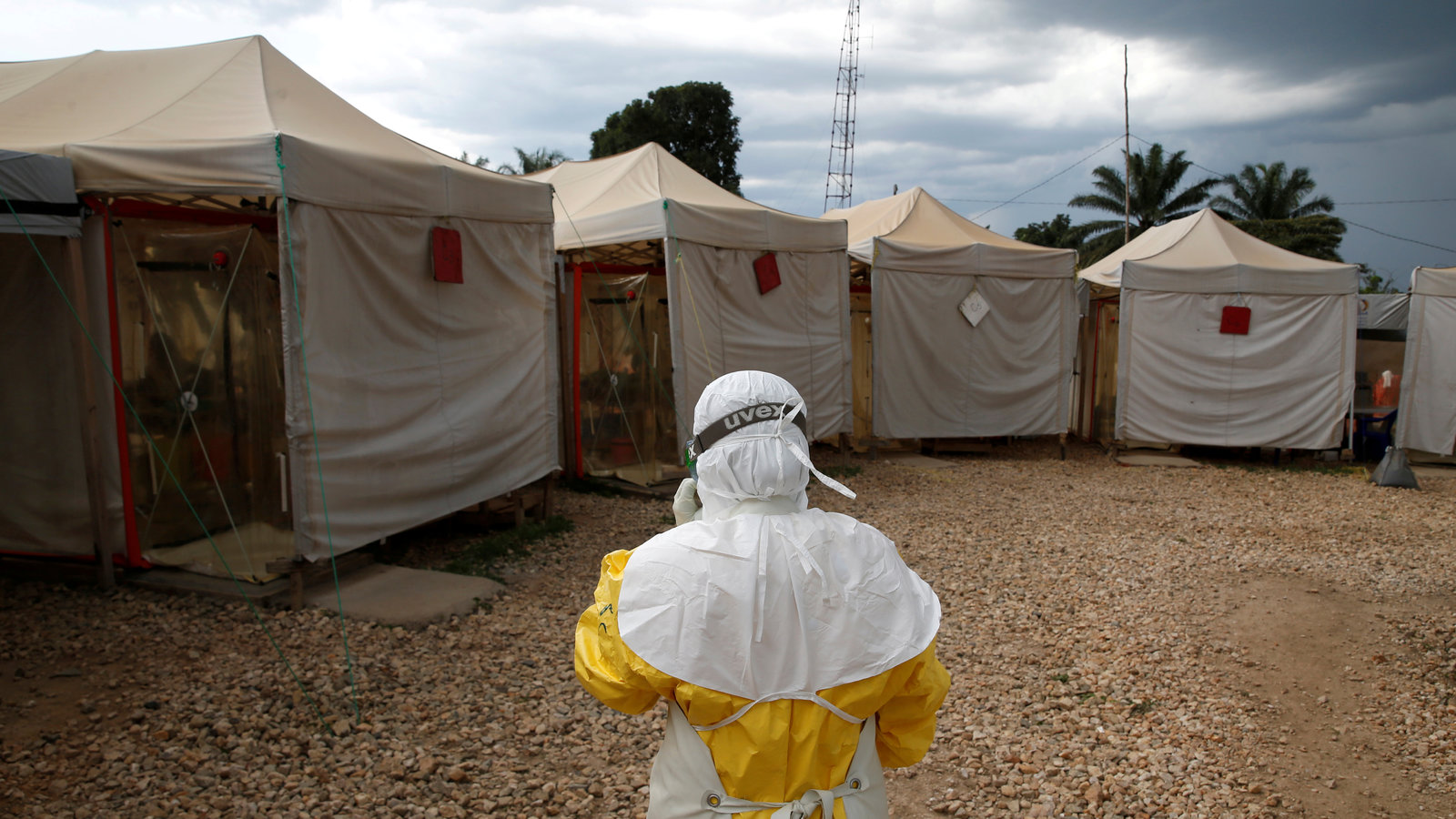
Kwidini said the COVID-19 pandemic had further increased the volume of hazardous healthcare waste, making investment in safe and efficient disposal systems more urgent.
“In some instances, unsafe disposal practices, such as open burning and inefficient incineration, have contributed to environmental pollution and potential public health hazards. It is therefore imperative that we invest in modern, safe and sustainable solutions to address these challenges,” he said.
Kwidini said the Parirenyatwa facility was equipped with advanced smokeless, anti-pollution technology and could process between 150 and 187 kilogrammes of medical waste per hour, operating for up to 18 hours a day.
“The system also incorporates automated temperature and fire-control mechanisms, while its energy-efficient design reduces fuel consumption and harmful emissions.
“This investment strengthens Zimbabwe’s national capacity to manage healthcare waste in line with international standards while protecting both public health and the environment,” Kwidini said.
He commended Japan and UNOPS for supporting Zimbabwe’s health sector.
“The partnership demonstrates how development cooperation could translate into tangible improvements in healthcare delivery.
“Government remains committed to transforming the health sector in line with Vision 2030 by strengthening infrastructure, improving service delivery, adopting modern technologies and promoting environmental sustainability,” Kwidini added.
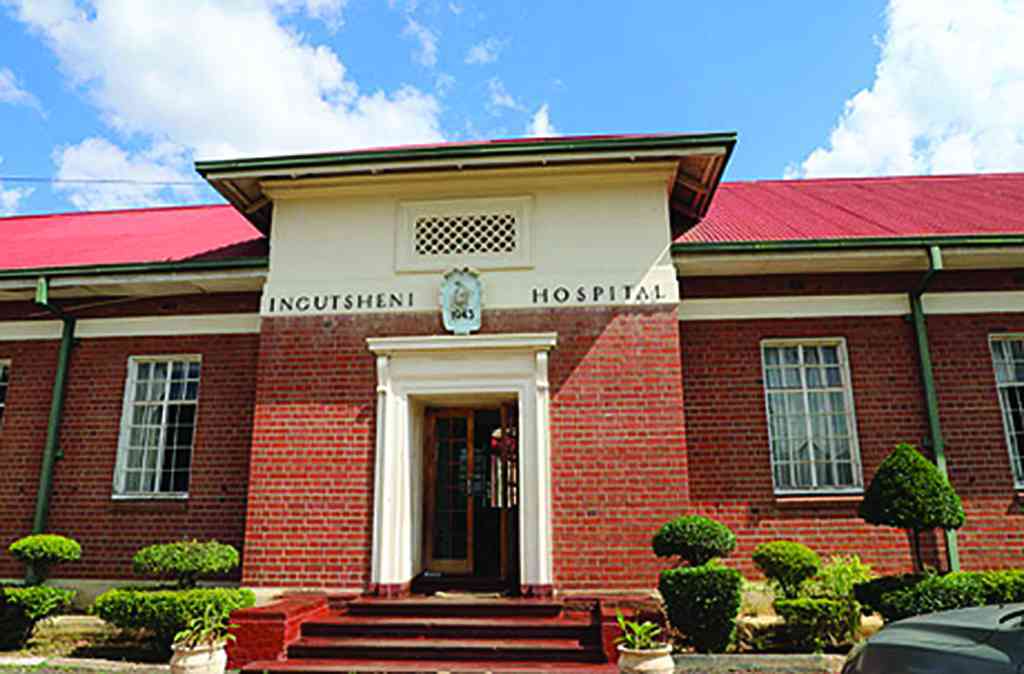
The Parirenyatwa incinerator forms part of a broader national programme to modernise healthcare waste management systems, with similar facilities completed at United Bulawayo Hospitals and Masvingo Provincial Hospital.
The three incinerators were constructed under a US$2.2 million project funded by the Government of Japan through its support under the Tokyo International Conference on African Development (TICAD) and implemented by the United Nations Office for Project Services (UNOPS).