Zimbabwe is laying the groundwork for the possible adoption of nuclear power as part of its long-term strategy to secure reliable and sustainable energy supplies, Energy and Power Development Minister July Moyo has said.
Addressing the 70th Regular General Conference of the International Atomic Energy Agency (IAEA) in Vienna, Austria, Minister Moyo said the Government was developing the infrastructure, institutions, skills and regulatory systems required for the safe, secure and peaceful use of nuclear technology.
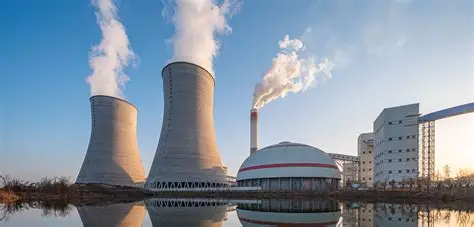
He said nuclear power was being considered as part of measures to support the country’s industrialisation ambitions and provide a stable energy supply.
“In line with our national energy development strategy, Zimbabwe is actively pursuing the development of the necessary national infrastructure and capabilities for the safe, secure and peaceful use of nuclear energy,” he said.
“This includes the consideration of nuclear power as part of our long-term strategy to ensure a stable and sustainable energy supply to underpin our rapid industrialisation goals.”
Minister Moyo said Government was also closely monitoring developments in advanced nuclear technologies, particularly Small Modular Reactors (SMRs), which are being explored internationally as an alternative to conventional large-scale nuclear power plants.
Zimbabwe has already taken steps towards assessing the feasibility of advanced reactor technology following the signing of a business agreement between the Centre for Education, Innovation, Research and Development (CEIRD) and Korea Hydro & Nuclear Power (KHNP).
The agreement provides for a preliminary feasibility study on the potential deployment of the Innovative Small Modular Reactor (i-SMR) in Zimbabwe.
Minister Moyo said the study would help the country assess the technology while strengthening local expertise and institutional capacity.
“This initiative will not only enhance our understanding of advanced reactor technologies but will also contribute to the development of national nuclear expertise, technological advancement and institutional capacity,” he said.
Beyond electricity generation, Zimbabwe is seeking to expand the use of nuclear science and technology in sectors such as healthcare and agriculture as part of its broader development agenda.
Minister Moyo said nuclear applications were particularly important in the fight against cancer, amid growing demand for specialised treatment across Africa.
“The growing cancer burden in Africa, and in Zimbabwe in particular, demands urgent and sustained intervention,” he said.
Zimbabwe has recently resumed radiotherapy services in public hospitals and is expected to benefit from further support under the IAEA’s Rays of Hope initiative to improve access to modern cancer treatment.
Nuclear techniques are also being applied in agriculture to improve productivity and strengthen resilience against climate-related challenges affecting food security.
On nuclear safety and security, Minister Moyo said Zimbabwe was strengthening its capacity to manage disused sealed radioactive sources and was preparing to commission a centralised Disused Radioactive Sources Management Facility.
He said the facility would enhance the safe and secure management of radioactive materials while protecting people and the environment and ensuring compliance with national and international obligations.
Zimbabwe is also participating in the IAEA’s Radium Recycling Initiative, which seeks to responsibly manage legacy radium sources and repurpose disused materials for the production of Actinium-225, a radioisotope used in targeted cancer treatment.
Minister Moyo reaffirmed Zimbabwe’s commitment to international nuclear cooperation, nuclear safety and security, and non-proliferation.
He said the country would continue supporting the IAEA’s Technical Cooperation Programme while meeting its financial obligations, including National Participation Costs and contributions to the Technical Cooperation Fund.
Zimbabwe is also scheduled to serve as a non-permanent member of the United Nations Security Council for the 2027-2028 term, with Minister Moyo saying the country would use the position to promote peaceful dialogue and advance the principles of the UN Charter.