The Fats & Feeds cooking oil processing plant in Bulawayo is 85% complete, with the investment expected to create up to 400 direct jobs and generate business opportunities for local farmers, transport operators and small-scale entrepreneurs.
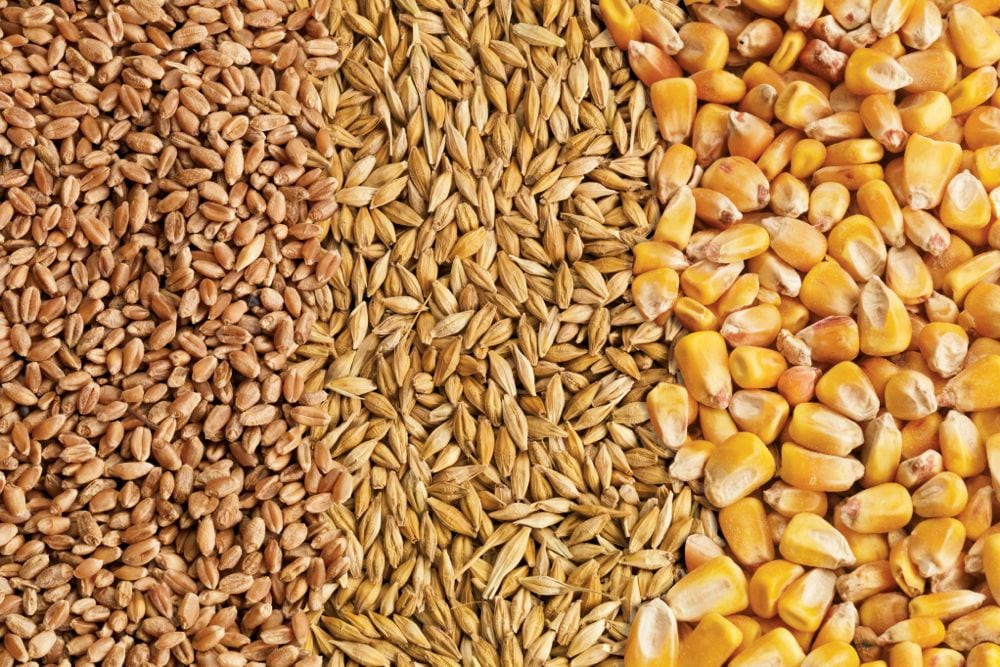
The facility will process soya beans into cooking oil through an integrated production system incorporating grain storage, oil extraction, refining and bottling, strengthening domestic manufacturing and agricultural value addition.
Fats & Feeds Sub-Manager, Zacharia Mupachike said construction was nearing completion, with about 65 percent of the required equipment already delivered and preparations underway for commissioning.
“We are at the phase of testing our equipment, in preparation for commissioning. We anticipate that by Christmas we should be getting one or two barrels of cooking oil from this site here,” he said.
The investment is expected to boost Zimbabwe’s industrial capacity by increasing local processing of agricultural produce, promoting value addition and reducing reliance on imported finished products.
The plant will have storage tanks with a capacity of approximately 250 000 litres each, while its grain silos will be able to accommodate about 5 000 metric tonnes apiece.
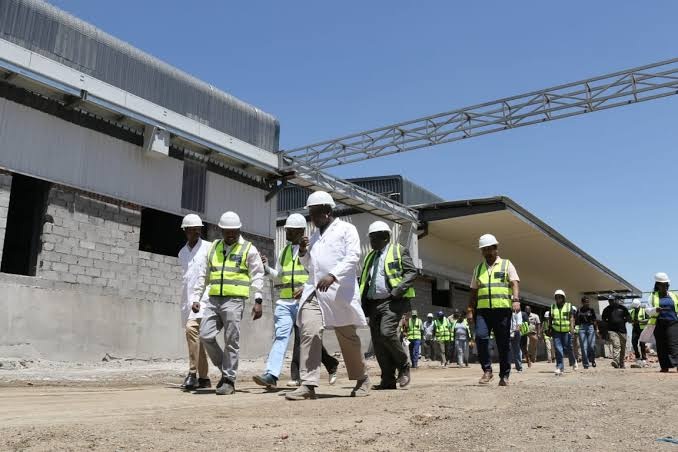
“These facilities are expected to provide substantial storage capacity for raw materials, helping the business manage supplies and support continuous production,” Mupachike said during a tour of the facility by Information, Publicity and Broadcasting Services Minister, Zhemu Soda.
The storage infrastructure will enable the company to secure adequate raw materials, improve supply management and maintain consistent production once operations begin.
The project has already generated employment during construction, with 276 workers engaged at the site. Mupachike said the majority had been recruited locally, providing employment opportunities for Bulawayo residents.
Once operational, the plant is expected to employ between 300 and 400 people directly, depending on production levels and staffing requirements.
The investment is also expected to stimulate downstream economic activity by creating demand for agricultural supplies, transportation, vehicle maintenance, catering and other support services, extending its benefits to businesses beyond the factory.
In addition, the company is incorporating renewable energy into the development through rooftop solar installations and a separate solar power facility, which are expected to supplement electricity supplies, reduce energy costs and improve operational efficiency.
The project comes as Zimbabwe intensifies efforts to revive its manufacturing sector, expand domestic production and strengthen linkages between agriculture and industry through value addition, and reinforce Bulawayo’s position as a major industrial centre, in line with the country’s industrialisation and economic transformation agenda.