The Justice Ministry, through the Anti-Domestic Violence Council (ADVC), is moving to establish accessible safe houses for victims of domestic violence as part of efforts to strengthen protection and support services for survivors across Zimbabwe.
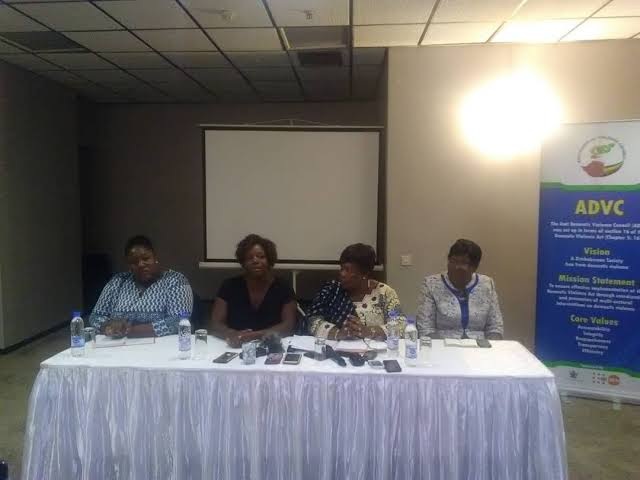
The initiative emerged from a five-day strategic workshop held in Kadoma, recently, where Council members developed operational frameworks, work plans and strategies to guide the implementation of the Council’s mandate.
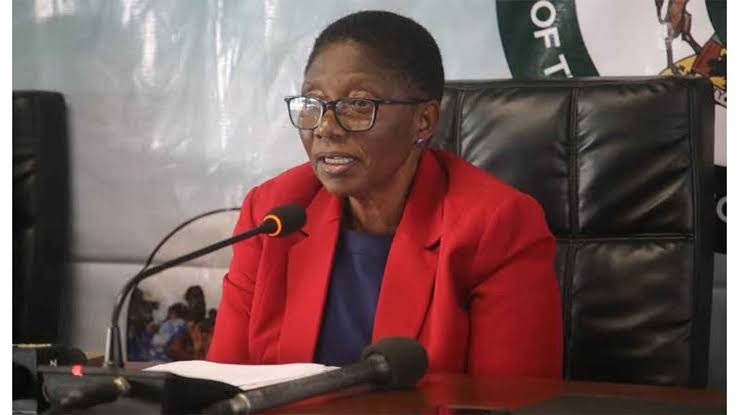
ADVC Chairperson, Sinikiwe Mvenge said establishing safe houses was among the key outcomes of the strategic planning process, as the Council seeks to ensure that victims have access to secure places of refuge and support.
“A key takeaway would be the establishment of accessible safe houses to provide protection and support for survivors,” she said.
Ms Mvenge said the Council had a responsibility to ensure that the provisions of the Domestic Violence Act translated into practical protection for victims, working in coordination with the broader national gender machinery.
“The Anti-Domestic Violence Council was created to monitor the implementation of the Domestic Violence Act, not to work in isolation from the national gender machinery,” she said.
“We have a critical responsibility to ensure that the aspirations of the Domestic Violence Act translate into tangible protection and support for survivors.”
The workshop, held at Rainbow Hotel, brought together Council members to formulate terms of reference, develop work plans and map out interventions to strengthen the national response to domestic violence.
Established in terms of Section 16 of the Domestic Violence Act [Chapter 5:16], the ADVC is mandated to provide strategic leadership, coordination, oversight and advisory services in preventing and responding to domestic violence.
The proposed safe houses are expected to strengthen support mechanisms for survivors by providing accessible places of refuge, although details on their number, locations and implementation timelines are yet to be announced.