
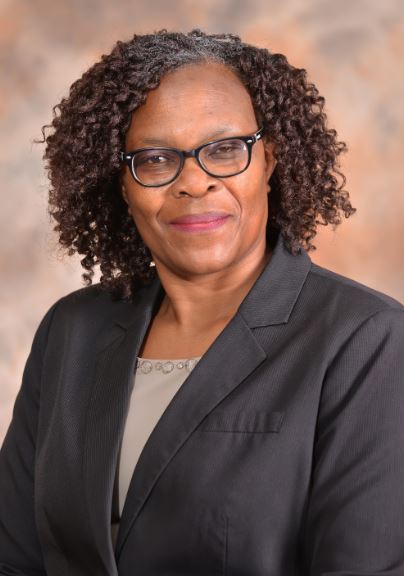
Zimbabwe has secured a strategic position in Africa’s tax leadership following the election of Zimbabwe Revenue Authority (ZIMRA) Commissioner-General, Regina Chinamasa, as vice-chairperson of the African Tax Administration Forum (ATAF) Council of Members for the 2026–2028 term.
The appointment gives Zimbabwe an opportunity to contribute to shaping continental tax policies and strengthening revenue administration systems, as African countries intensify efforts to mobilise domestic resources to finance infrastructure development, public services and economic transformation.
Ms Chinamasa was elected during the ninth ATAF General Assembly held in Cairo, Egypt, on November 4, 2026, alongside the organisation’s 2026 Annual Meetings.
She will serve alongside Namibia’s Sam Shivute, who was elected chairperson, and representatives from South Africa, Egypt, Benin, The Gambia, Gabon, Tanzania, Mauritius and Zambia.
Welcoming her election, Ms Chinamasa said the appointment presented Zimbabwe with an opportunity to contribute to the continent’s efforts to build stronger tax institutions, improve revenue collection and facilitate trade.
“I am thankful to ATAF for the honour and the opportunity to be part of the continental drive to improve tax administration in Africa. Zimbabwe looks forward to contributing to ATAF’s continental leadership in advancing domestic resource mobilisation, strengthening tax administrations and facilitating trade across Africa,” she said.
The appointment comes as Zimbabwe pursues its economic transformation and development objectives under the National Development Strategy 2 (NDS2), with effective revenue mobilisation remaining critical to financing infrastructure, industrialisation and the expansion of public services.
Through her position on the ATAF Council, Ms Chinamasa will contribute to continental initiatives aimed at improving revenue collection systems, promoting cooperation among tax authorities and addressing emerging challenges in international taxation.
For Zimbabwe, participation in the continental leadership structure also creates opportunities to exchange expertise, draw on best practices and strengthen institutional capacity in revenue administration, with potential benefits for the country’s broader economic development agenda.