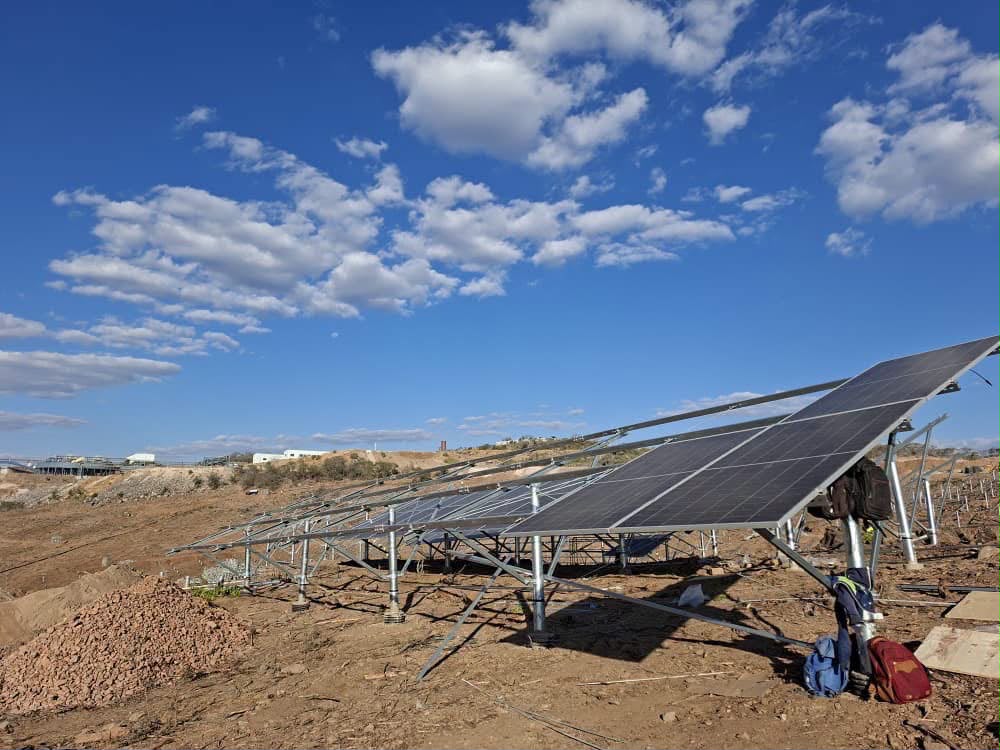
Zimbabwe’s renewable energy sector is gaining significant momentum, with more than 200 megawatts (MW) worth of projects currently under construction by independent power producers (IPPs), thanks to a favourable incentive regime introduced by Government.
According to the Zimbabwe Energy Regulatory Authority (ZERA), the country’s renewable energy drive is beginning to pay off, with 120 MW already being generated from 56 operational projects spread across the country. Government has set an ambitious target of producing 2 600 MW from renewable sources by 2030, in line with the national vision of achieving an upper middle-income economy through sustainable industrialisation.
ZERA Chief Executive Officer, Mr Eddington Mazambani, said the surge in renewable energy investments is a direct result of policies designed to make the sector more attractive to both local and international investors.
“We have put in place incentives to drive investment, such as currency convertibility and an economic tariff. As a result, we have seen several projects reaching financial closure. Currently, there are 26 renewable energy projects under construction, and our ultimate target is to produce over 2 600 megawatts by 2030,” said Mazambani.
He added that the authority is particularly encouraged by the success of the net metering initiative, which allows owners of solar systems to feed excess energy into the national grid. This initiative has contributed significantly to power supply stability and community empowerment.
“Net metering is proving to be a masterstroke. Through this system, private solar producers are now generating about 56 megawatts, which are being fed into the national grid. This shows that citizens are actively participating in the energy transition,” he said.
While solar energy has taken the lead, experts are calling for broader incentives to boost other renewable energy sources. Local biogas producer, Victor Tarira, urged Government to extend tax and duty exemptions to biogas technology, which he said has the potential to power institutions and rural communities sustainably.
“Government has made great progress by scrapping duty on solar products, but similar incentives should be extended to biogas digesters. These systems have been transformative, especially for rural institutions and farms,” he noted.
The National Renewable Energy Policy, introduced by the Second Republic, has been instrumental in attracting investment into clean energy. It aligns with Zimbabwe’s commitment to reducing carbon emissions, enhancing energy security, and promoting green industrialisation.
As renewable energy projects multiply across the country, Zimbabwe is positioning itself as a regional leader in sustainable power generation turning sunshine, wind, and waste into engines of economic growth and resilience.