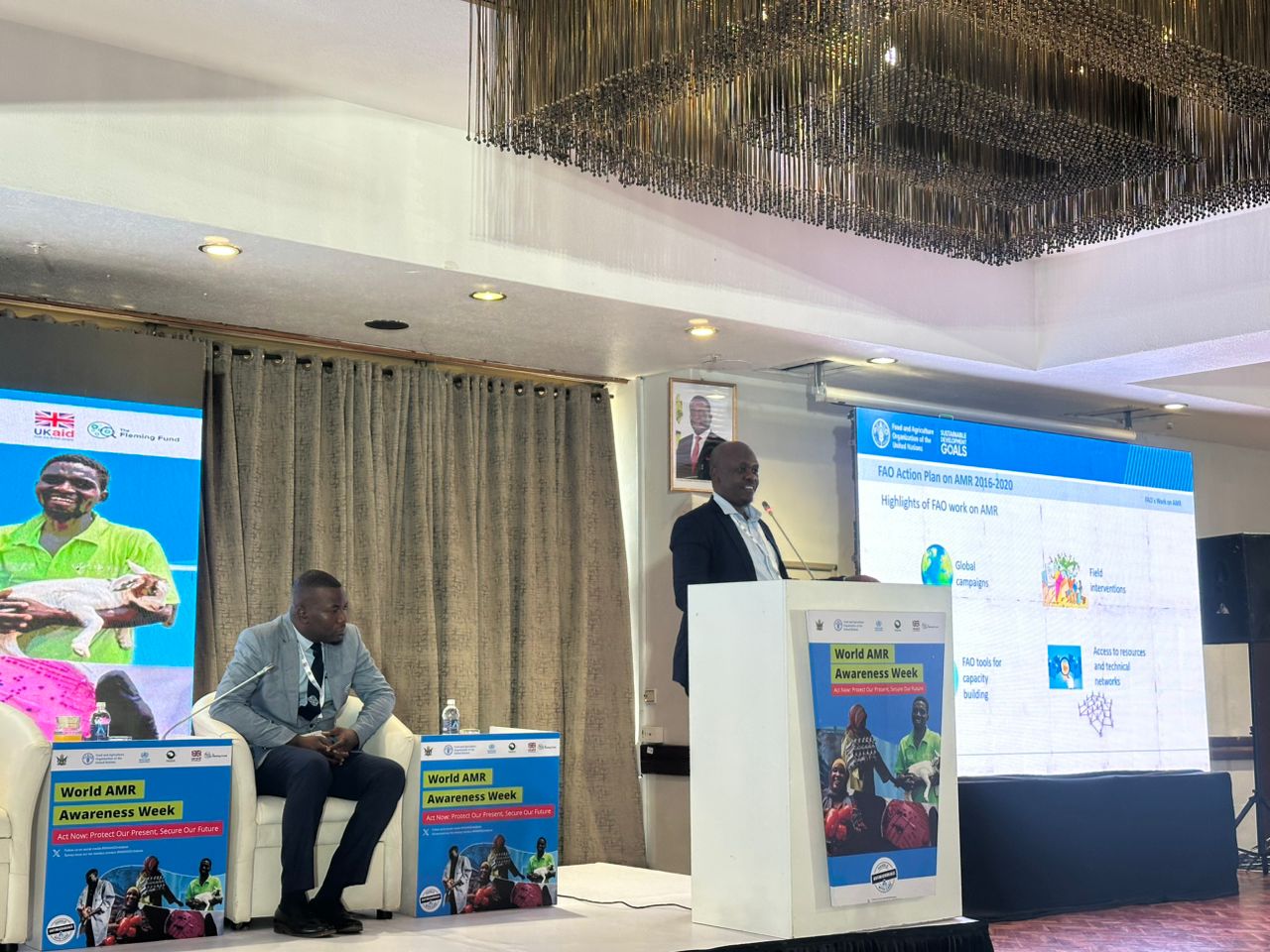
The Zimbabwe Antimicrobial Resistance (AMR) Conference has opened at the Harare International Conference Center (HICC), this morning.
In an interview with this publication health experts have highlighted their expectations for the two-day meeting in pushing stronger national coordination, improved surveillance and more practical One Health interventions as the country confronts rising AMR threats.
Public health specialist Dr. Tapiwa Mhlanga said delegates had high expectations for clear commitments that will strengthen Zimbabwe’s response.
“We need this conference to generate concrete steps on improving surveillance and diagnostic capacity across human, animal and environmental health.
AMR is no longer a theoretical threat. It is affecting treatment outcomes every day, and the system needs to respond faster,” Dr Mhlanga added
Veterinary epidemiologist, Dr. Lindiwe Chagonda said participants from the animal health sector were hoping that the meeting would address gaps that continue to drive the misuse of antibiotics in livestock production.
“There has to be better regulation, better farmer education and a stronger link between laboratories and field operations. Our expectation is that this conference forces a shift from fragmented activities to coordinated One Health planning,” she said.
The event is focusing on the following major areas: strengthening surveillance and diagnostics; promoting access, infection prevention and control (IPC), and antimicrobial stewardship; responses across human, animal, plant and environmental sectors, and policy and governance reforms.
Health economist, Brighton Mavesere, said he expected the meeting’s discussions to confront the financing gaps undermining national AMR interventions.
“We cannot speak of stewardship or IPC without sustainable financing. My hope is that the conference pushes Government and partners toward a clear resource-mobilisation strategy,” he said
Meanwhile, the organisers have confirmed that 200 sponsored slots had been taken up, mainly by students, community organisations and provincial health teams. The Secretariat said this would ensure representation from groups often excluded from national scientific platforms.