The Zimbabwe Government has strengthened the country’s disaster preparedness systems, following Cabinet approval of the 2025/2026 National Multi-Hazard Contingency Plan, which sets out comprehensive measures to anticipate, respond to and minimise the impact of climate-induced emergencies during the forthcoming rainy season.
Speaking during a post-Cabinet media briefing, yesterday, in Harare, the Minister of Information, Publicity and Broadcasting Services, Dr Jenfan Muswere, said Cabinet had fully endorsed the Plan, which is central in safeguarding communities and critical infrastructure.
“Cabinet considered and approved the 2025/2026 National Multi-Hazard Contingency Plan. The Plan outlines national disaster preparedness, coordination systems, response mechanisms and resource requirements to predict, prevent, mitigate, prepare for and respond to potential emergencies associated with the 2025/2026 rainfall season.” said Dr Muswere.
Dr Muswere urged the country to remain vigilant ahead of seasonal projections that indicate increased risks of severe weather conditions.
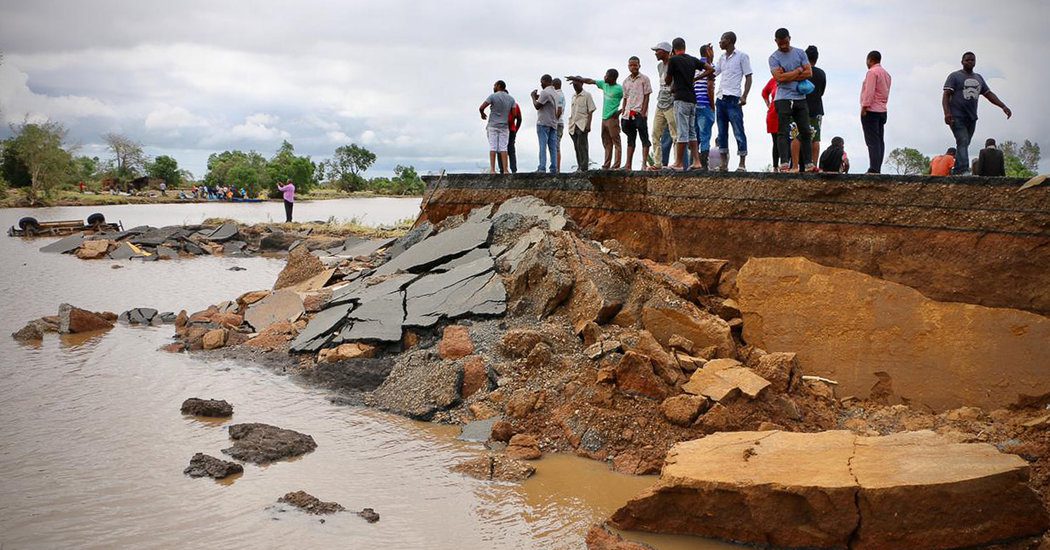
“The projected normal to above normal rainfall during the greater part of the 2025/2026 season, December 2025 to February 2026, is likely to experience extreme climate-induced events that include severe storms, hailstorms, floods, tropical cyclones, landslides and other hazards of a trans-boundary nature,” he said.
He explained the primary objective of the Plan as being focused on ensuring robust and coordinated disaster management from national level down to village structures.
“The overall aim of the Plan is to strengthen capacity for preparedness and response from the national to the sub-national levels cascading to the village level, in order to enhance timely and coordinated response to emergencies by Government and stakeholders,” Dr Muswere said.
He added that the Plan is expected to deepen resilience across communities and embed a culture of long-term disaster risk reduction.
“The Plan will also instill a culture of resilience building and disaster risk reduction for sustainable development,” he said.
Government further urged all stakeholders including local authorities, the Civil Protection Department, development partners and community structures to align their interventions with the framework as the country prepares for a potentially hazardous 2025/2026 rainfall season.