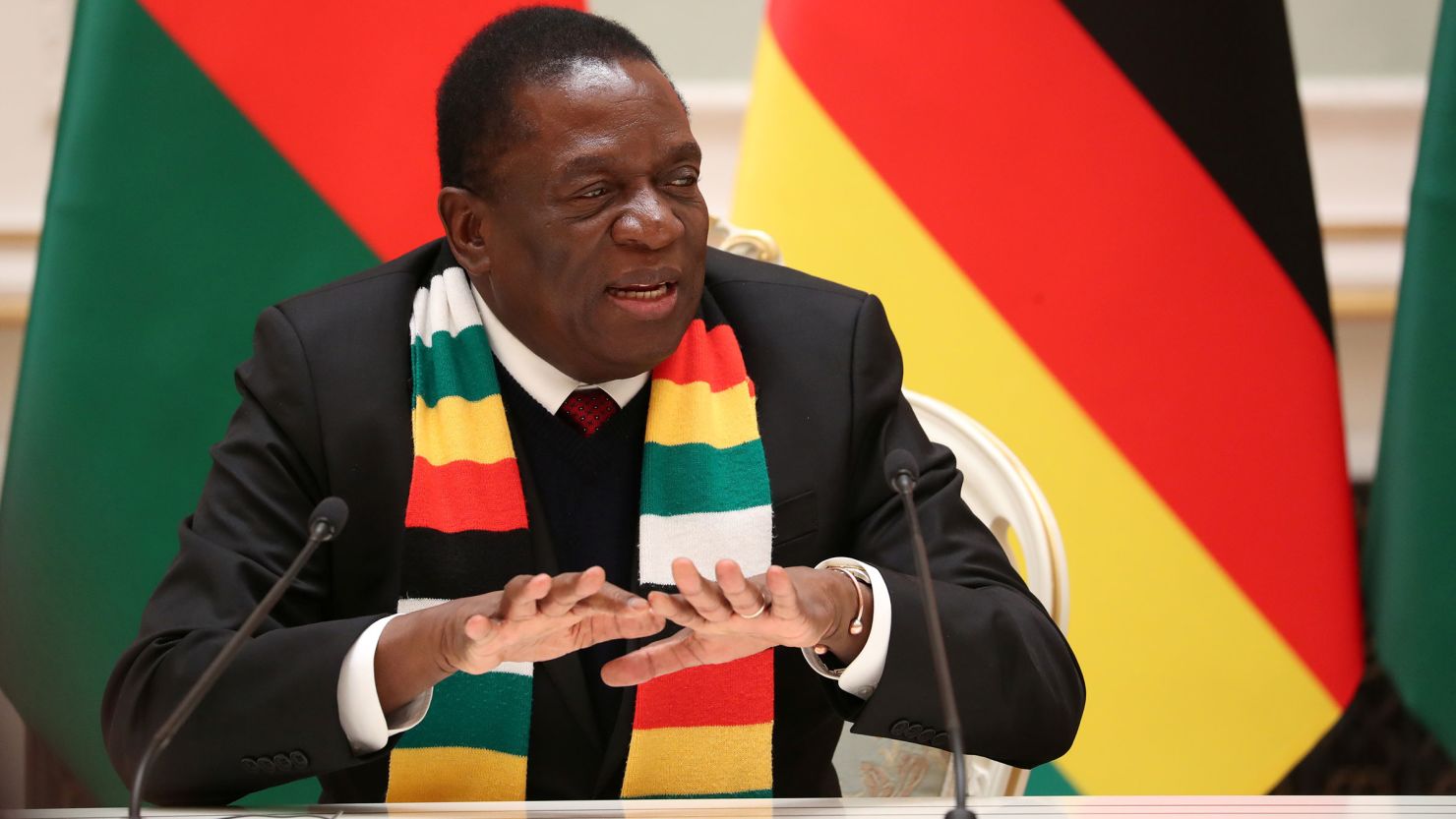

Zimbabwe and Belarus have reaffirmed their longstanding bilateral relations, rooted in solidarity during the liberation struggle and strengthened by shared experiences of western-imposed sanctions.
In a show of deepening diplomatic and military cooperation, Belarus Minister of Defence, Lieutenant General Victor Khrenin, paid a courtesy call on his Zimbabwean counterpart, Honourable Oppah Muchinguri-Kashiri, at her offices in Harare, on Monday.
The visit marks another step in the expansion of South-South cooperation, with both countries positioning themselves as resilient partners within a changing global order.
Honourable Muchinguri-Kashiri said Zimbabwe and Belarus share a bond that dates back to the liberation struggle and has continued to grow over the years.
“Zimbabwe and Belarus share a longstanding relationship that dates back to the days of our liberation struggle, a bond that has endured and strengthened over the years. Today, we are building on the commitment of our two Heads of State, both of whom lead nations under Western-imposed sanctions. This shared experience has deepened our resolve to develop robust bilateral relations across all spheres, including economic development, peace and security, and the social sector,” she said.
She added that sanctions have served to strengthen cooperation between the two countries, particularly in defence and security.
“In the face of external pressure, we have found common ground and mutual support. It is within this spirit that we believe in deepening our defence and security cooperation. Our partnership enables us to share strategic insights and responses to emerging threats,” she said.
In remarks delivered through a translator, Lieutenant General Khrenin reaffirmed his country’s continued support and friendship towards Zimbabwe.
“We are very happy to be here in Zimbabwe. Our two nations share strong bilateral relations,” he said.
Zimbabwe and Belarus maintain a strategic partnership anchored on mutual respect and solidarity, with cooperation spanning various sectors.
Key areas of collaboration include farm mechanisation and the transport sector, which are playing a significant role in driving Zimbabwe’s economic development and industrialisation.