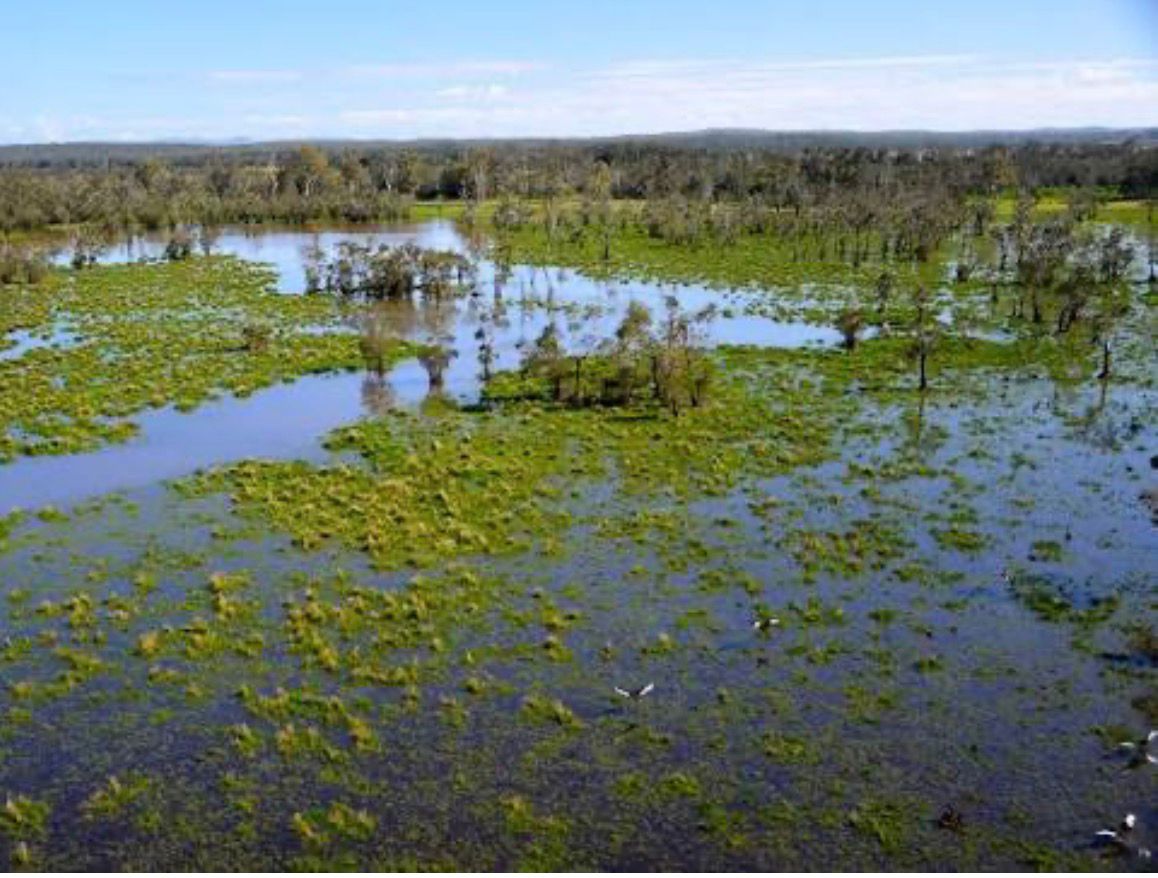
Zimbabwe will join the global community on 2 February, 2026, to mark World Wetlands Day, an annual event that raises awareness of the vital role wetlands play in sustaining life and mitigating climate change.
World Wetlands Day commemorates the adoption of the Ramsar Convention on Wetlands, signed in 1971, which provides a framework for the conservation and sustainable use of wetlands worldwide.
This year’s celebration will be held under the theme: “Wetlands and Traditional Knowledge: Celebrating Cultural Heritage.”
According to the Environmental Management Agency (EMA), the theme “recognises wetlands as sacred places and acknowledges the invaluable traditional knowledge systems, ancient practices, and wisdom held by many communities that guide the sustainable management and use of local wetlands.”
EMA observed that the theme highlights how cultural beliefs and taboos continue to play a role in wetland conservation across the country.
“Numerous wetlands across the country, such as Ditchwe Wetland in Mashonaland West, Njedza Wetland in Mashonaland East, and Malilangombe in Matabeleland South, are conserved through cultural beliefs and taboos,” the agency said.
EMA added that the 2026 theme aligns with international commitments under the Ramsar Convention and COP15 resolutions, which advocates for the use of traditional knowledge in wetland conservation.
Zimbabwe currently holds the Presidency of the Ramsar Convention, a role that positions the country to lead global dialogue and action on protecting these critical ecosystems.
The national commemoration is scheduled to take place at Ditchwe Wetland in Makonde District, Mashonaland West Province, on 2 February. The event will be subsequently followed by provincial and district-level activities across the country, where EMA encouraged citizens to participate.
“All citizens are being encouraged to participate in these events for the conservation and restoration of our wetlands,” the agency said.
World Wetlands Day is observed every year, on 2 February, to promote the protection and sustainable use of wetlands, which provide essential ecological services, including water regulation, biodiversity support, and climate resilience.