Cabinet has approved a Constitutional Amendment Bill proposing to extend the terms of office for both the President and Parliament from five to seven years, a move the Government says is intended to strengthen long-term political and economic stability.
The Bill was presented by the Minister of Justice, Legal and Parliamentary Affairs during the first Cabinet sitting of 2026 held in Harare, on Tuesday.
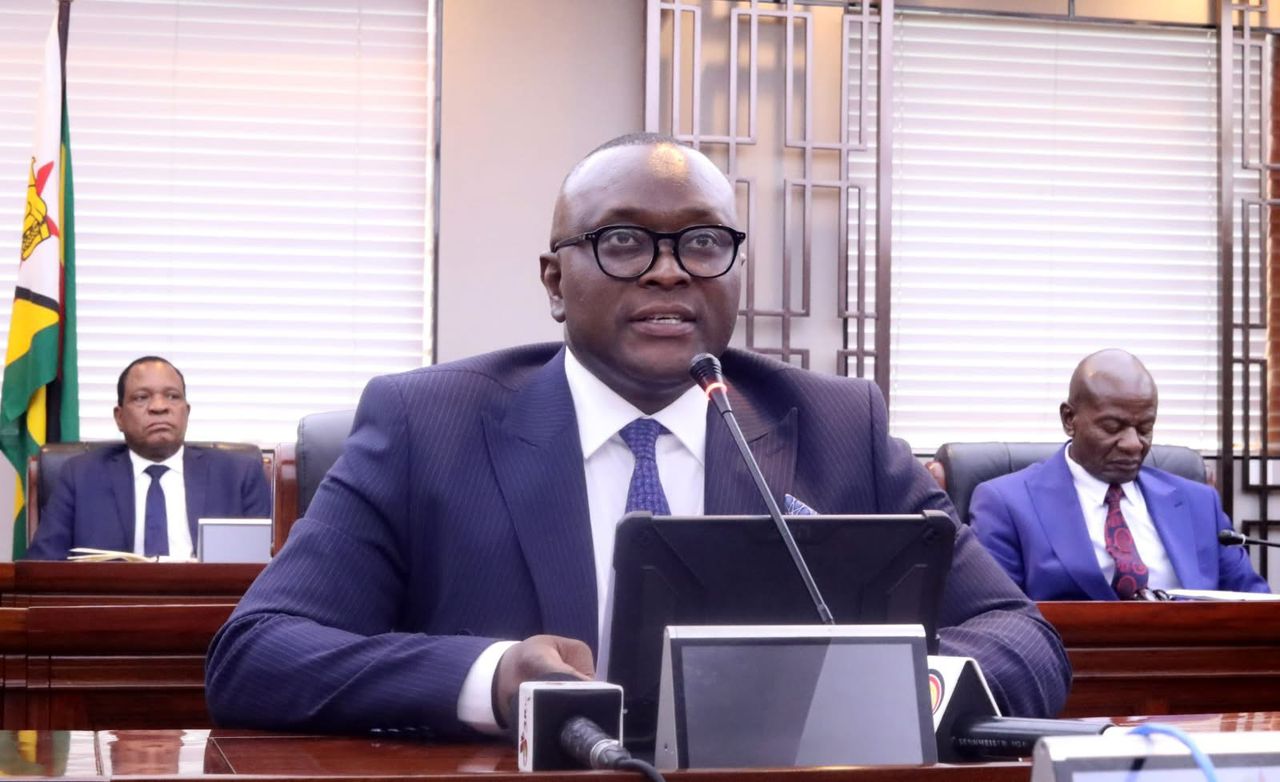
Briefing the media after the meeting, the Minister of Information, Publicity and Broadcasting Services, Dr Jenfan Muswere, said the proposed amendments would significantly reshape Zimbabwe’s governance structure, particularly the presidential election process and length of terms.
“Clause 2 repeals section 92 of the Constitution and substitutes it with a parliamentary process for electing the President,” Dr Muswere said.
Under the proposed system, the President would no longer be directly elected by citizens. Instead, candidates would require a majority vote in Parliament, with a run-off mechanism activated if no candidate attains an outright majority. The Chief Justice or a designated judge would preside over the process to ensure fairness and adherence to parliamentary rules.
Dr Muswere added that the Bill also amends sections 95, 143 and 158 of the Constitution, replacing the current five-year tenure for both the Executive and Legislature with a seven-year term.
“The objective is to reduce frequent election disruptions, improve policy continuity, and provide adequate time for the implementation of long-term national projects,” he said. “This will help promote sustained political and economic stability.”
Justice Minister Ziyambi Ziyambi outlined the next steps in the legislative process, explaining that the Bill will now be forwarded to Parliament for gazetting.
“The Constitution requires that all Bills be sent to the Speaker for gazetting,” he said. “Ordinary Bills take 21 days, but constitutional Bills require 90 days.”
He noted that once gazetted, the Bill will undergo nationwide public consultations, giving citizens and stakeholders an opportunity to scrutinise and comment on the proposed changes.
“After gazetting, that is when it becomes public and open for discussion. The timeline for consultations will depend on the parliamentary calendar,” he said.
The proposed constitutional reforms mark one of the most significant political shifts since the adoption of the 2013 Constitution, setting the stage for extensive debate across the country.