Zimbabwe has significantly reduced its annual trade deficit for 2025, buoyed by stronger industrial performance and rising capacity utilisation in the manufacturing sector. The continued revival of local industries is reshaping the country’s trade outlook, with domestic products increasingly dominating retail shelves.
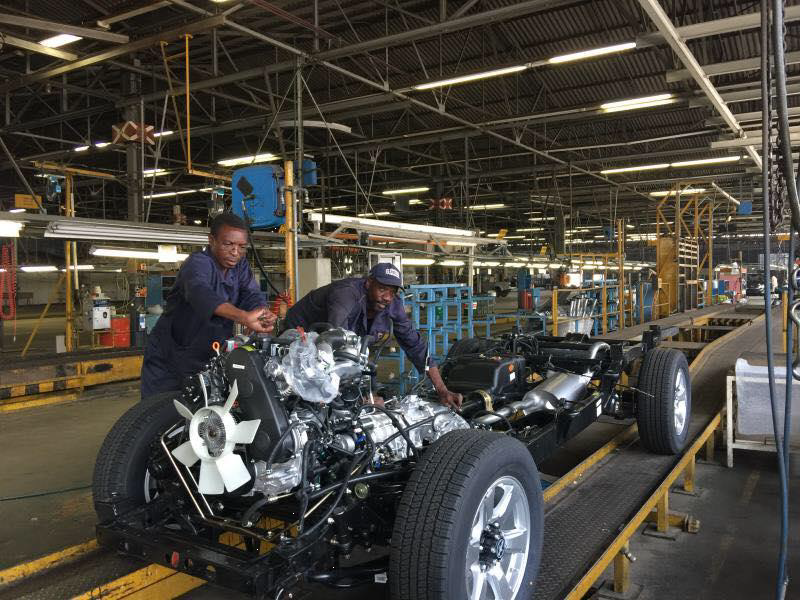
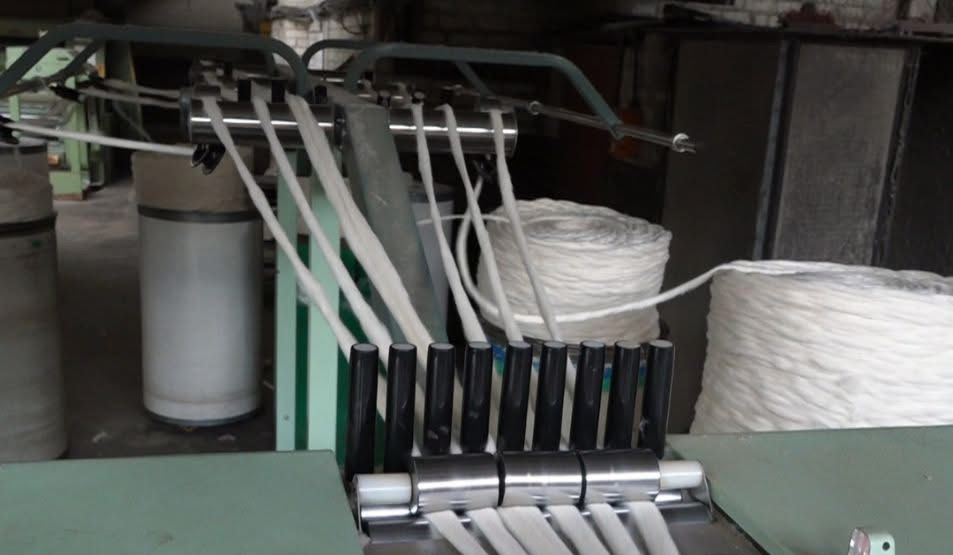
Recent assessments of manufacturing operations across Harare’s industrial zones reveal an encouraging trend of production lines operating more consistently, and companies are scaling up output to meet expanding domestic demand. The growing availability of locally made goods reflects a resurgence in industrial productivity that has not been seen in years.
According to data from Buy Zimbabwe, the country has now achieved its lowest trade deficit since 2020. After standing at US$1.6 billion in 2020, the deficit shrank to just over US$620 million in 2024 before narrowing further to US$400 million last year.
Zimbabwe National Chamber of Commerce Chief Executive Officer, Chris Mugaga, said the gains stem largely from a stable and predictable economic environment that has strengthened business confidence.
“It all goes to the stable economic climate that is ushering in a positive tone to sustain viability and growth. Riding on such a trajectory, it becomes inevitable for the country to achieve increased production. What is now needed is for the trend to be sustained,” he said.
Buy Zimbabwe Chairperson, Mr Munyaradzi Hwengwere, noted that although mining still provides the bulk of export earnings, the present global commodity boom presents an opportunity for Zimbabwean industry to expand and diversify export offerings.
“While the mining sector accounts for a huge proportion of exports, this is the time for industry to take advantage of the current rise in demand for commodities on international markets. The current scenario is encouraging as it shows we are moving in the right direction in promoting local goods and creating jobs,” he said.
Economists agree that a shrinking trade deficit points to stronger export performance, reduced import dependency, and healthier foreign currency inflows. Zimbabwe Economics Society member Misheck Ugaro emphasised the need to build on the current momentum.
“A low trade deficit means that a country is importing less relative to its exports, resulting in increased foreign currency receipts. What is needed now is a review of current policy measures to ensure they translate into positive results and move the country towards a trade surplus,” he said.
Government continues to prioritise industrial productivity as a key driver of economic growth, backed by deliberate policy measures aimed at improving manufacturing capacity utilisation. As local production strengthens and reliance on imports declines, Zimbabwe’s improving trade balance signals renewed momentum in its industrial recovery and overall economic stabilisation efforts.