
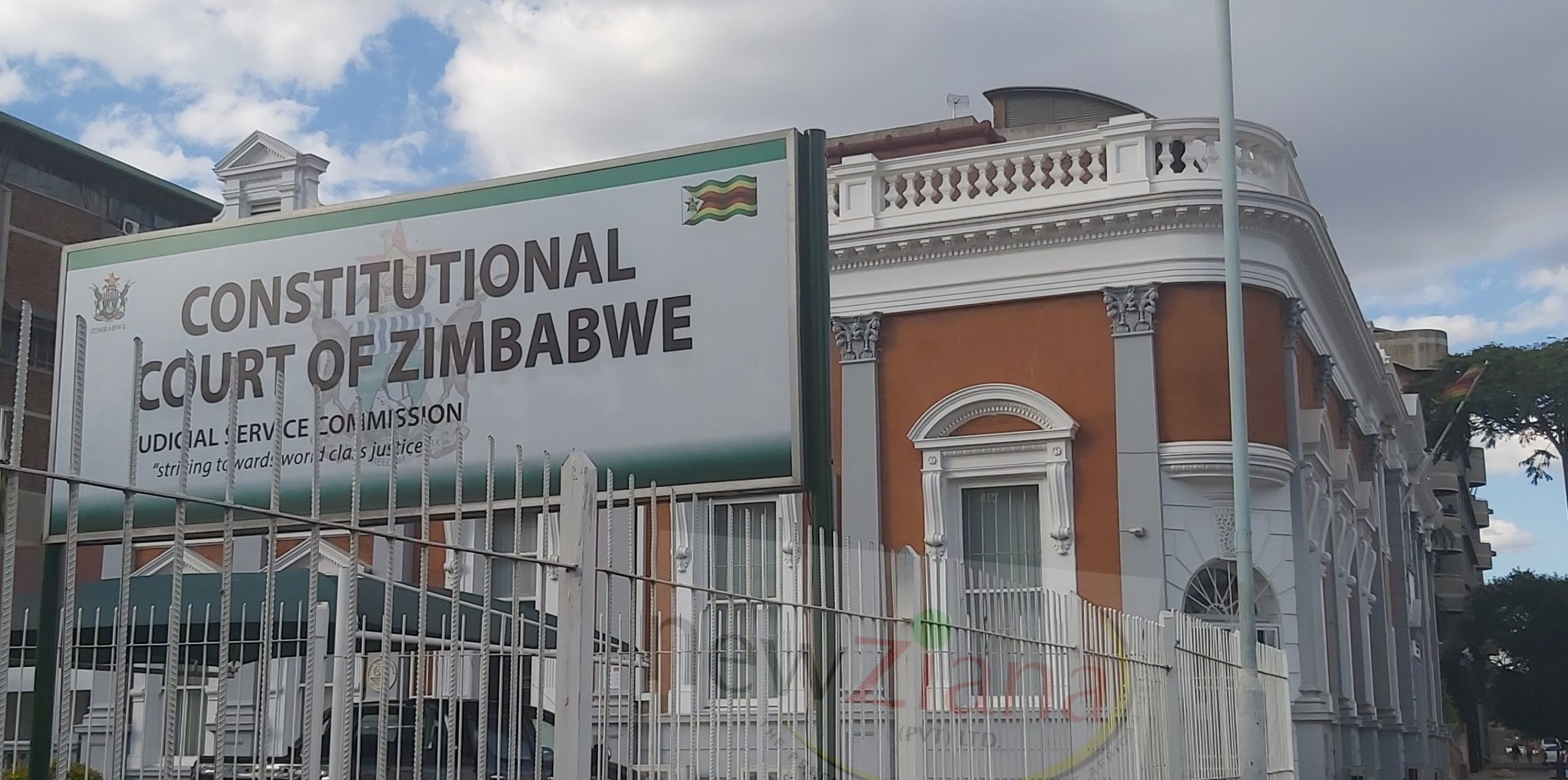
The Constitutional Court has set February 9, 2026, as the hearing date for an application challenging Zanu PF’s Resolution 1 of 2024, which seeks to extend President Mnangagwa’s tenure to 2030.
The case places Government and ruling Zanu PF party officials, led by national commissar Munyaradzi Machacha, against a civic organisation contesting the legality of the resolution. The resolution, unanimously adopted at Zanu PF’s annual conference, proposes extending the President’s term, a move Machacha argues is lawful, procedural and aimed at ensuring political stability and continued economic progress.
The challenge was filed by Ibhetshu LikaZulu and its secretary-general, who are seeking to block any attempt to amend Sections 95(2)(b) and 143(1) of the Constitution. They contend that altering these provisions would require a national referendum, as stipulated under Section 328(7), which protects presidential term limits from amendment without direct public approval.
The applicants argue that the ruling party’s resolution undermines constitutional safeguards, reduces public participation and attempts to bypass mandatory democratic processes.
However, the Government and Zanu PF, cited as respondents, maintain that the application is premature and speculative, insisting no formal constitutional amendment process has begun. They argue that the resolution merely outlines the party’s internal position, not a legislative act.
The dispute centres on differing interpretations of Section 328, which sets conditions for amending presidential term provisions. Zanu PF contends the proposal concerns term-length adjustments permitted under Section 328(5), which do not trigger a referendum. The party also argues that any future amendment process would follow constitutional procedures, including public hearings and parliamentary scrutiny.
The Constitutional Court will now determine whether the resolution violates constitutional protections or falls within permissible amendment pathways.