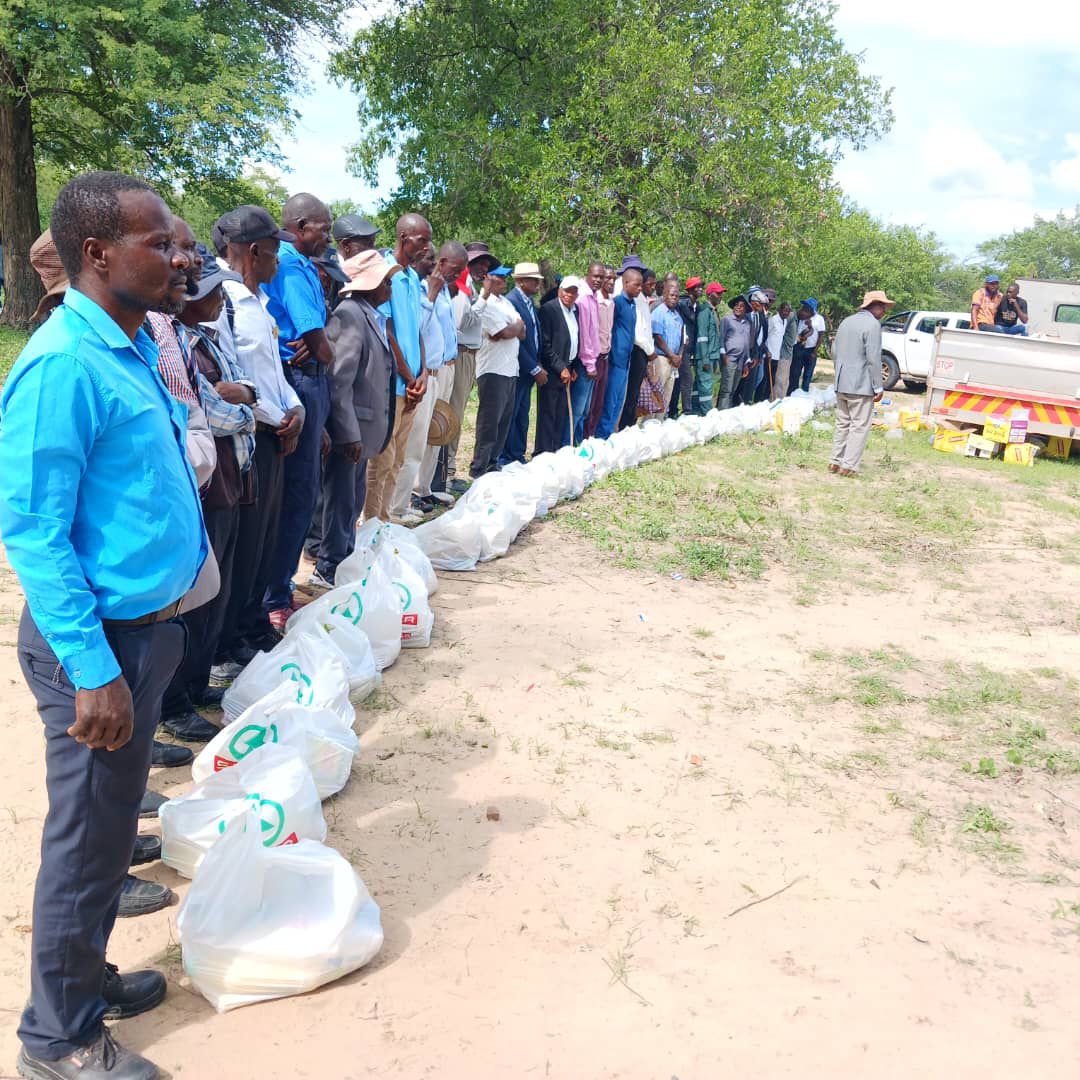
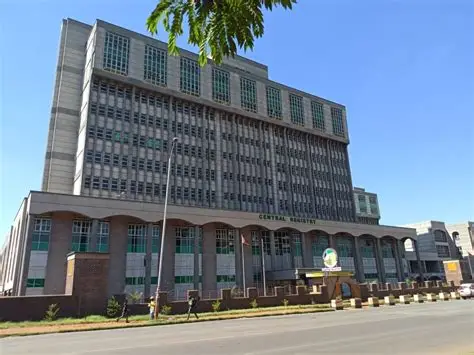
The Civil Registry Department has enlisted the help of traditional leaders from Manicaland and Matebeland North as part of efforts to improve the timely registration of births and deaths registrations, in rural areas.
The Registrar-General’s (RG’s) Office says it has begun training traditional leaders from these two provinces on a new registration system, active notifications, which enables village heads and chief to notify civil registration authorities promptly whenever a birth or death occurs within their jurisdictions.
In an interview with this publication, officials from the RG’s Office said the training equips traditional leaders to complete notification forms following a birth or death, allowing information to be captured early and processed at district registry offices.
“This initiative has already been rolled out in Manicaland and Matabeleland North, but we intend to expand it to other provinces as we intensify efforts to address long-standing challenges in civil registration,” an official said.
The official noted that the programme is designed to bridge gaps caused by limited registry offices and poor access to maternity health facilities in remote communities.
The department, however, acknowledged challenges affecting the rollout, including varying literacy levels among some traditional leaders.
“We recognise that some traditional leaders are not literate. To address this, we have identified individuals within communities to assist village heads in completing the forms, ensuring births and deaths are properly recorded,” the RG’s Office said.
The office added that home deliveries remain common in remote areas, with some births going unrecorded due to the absence of hospital documentation.
“Having identified this gap, we saw the need to empower traditional leaders to issue birth notifications, which can then be submitted to our district offices for formal registration,” the official said.
On death registrations, the Civil Registry noted that traditional leaders are often present during burials in rural areas, placing them in a strategic position to verify and report deaths.
“In rural communities, it is common for a traditional leader to preside over or attend burials, making them reliable witnesses to confirm death occurrences,” the department said.
Looking ahead, the RG’s Office said plans are underway to equip traditional leaders with tablets linked to the central civil registration system, a move expected to enable real-time data capture and improve the accuracy and efficiency of national records.
The initiative forms part of broader efforts by the Civil Registry Department to modernise its systems and ensure universal access to birth and death registration services.