
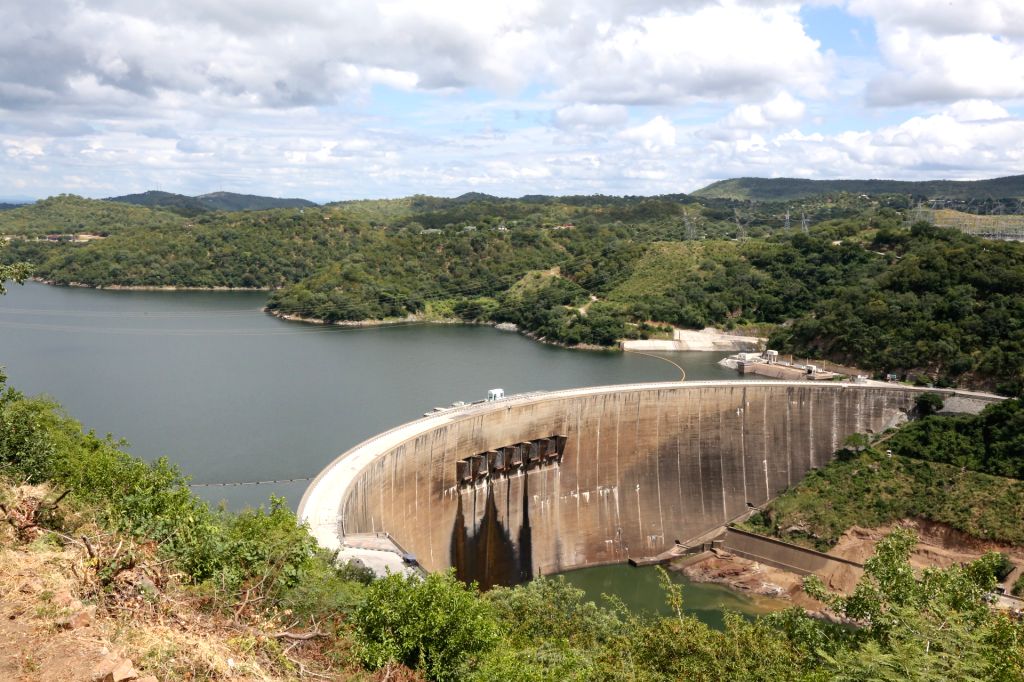
Lake Kariba water levels have continued to rise steadily as hydrological conditions across the Zambezi River Basin improve during the 2025/26 rainfall season.
In a statement, released yesterday , the Zimbabwe Economic Review said the upward trend reflects strengthening inflows into the lake as the rainfall season progresses.
“Lake Kariba water levels continue to rise steadily, reflecting improving hydrological conditions across the Zambezi River Basin as the 2025/26 rainfall season progresses,” the Review said.
According to the latest data cited in the statement, Lake Kariba closed the period under review at 477.21 metres on 9 February 2026, representing 11.83 percent of usable storage.
The Review indicated notable improvement from the same period last year.
“This marks a significant improvement compared to the same date last year, when the level stood at 476.39 metres, equivalent to just 6.17 percent usable storage,” it said.
The Zimbabwe Economic Review stressed the strategic importance of the lake to both Zimbabwe and Zambia, noting that the current recovery is critical for regional electricity supply.
“Kariba Dam, which is a critical source of hydropower for both Zimbabwe and Zambia, is designed to operate between levels of 475.50 metres and 488.50 metres, with a 0.70-metre freeboard,” it said.
The statement noted that the gradual rise in water levels is beginning to restore confidence following previous seasons marked by low inflows and constrained generation capacity.
“The gradual rise in water levels offers renewed optimism for electricity generation and regional water security following previous seasons of low inflows,” it said.
The Review also linked the improvement at Lake Kariba to broader recovery trends across the Zambezi River system, indicating that sustained inflows will be key to maintaining the positive momentum.
While the statement did not project future levels, it emphasised that current conditions are favourable compared to recent years of hydrological stress.
“These developments point to strengthening hydrological conditions across the basin, which are essential for supporting energy generation, water security and broader economic activity in the region,” the Zimbabwe Economic Review said.
Lake Kariba remains a cornerstone of southern Africa’s power infrastructure, supplying electricity to both Zimbabwe and Zambia through the Kariba South and Kariba North power stations. In recent years, prolonged droughts and erratic rainfall linked to climate variability significantly reduced water levels, forcing power utilities to scale back generation and triggering widespread load shedding.
The latest assessment by the Zimbabwe Economic Review suggests that continued favourable rainfall and river flows during the remainder of the 2025/26 season could further stabilise Lake Kariba levels, supporting improved electricity generation and strengthening regional resilience after a period of sustained hydrological challenges.