Zimbabwe is positioning the leather industry as a key driver of industrialisation, value addition and export growth, as Government intensifies efforts to unlock the sector’s full economic potential.
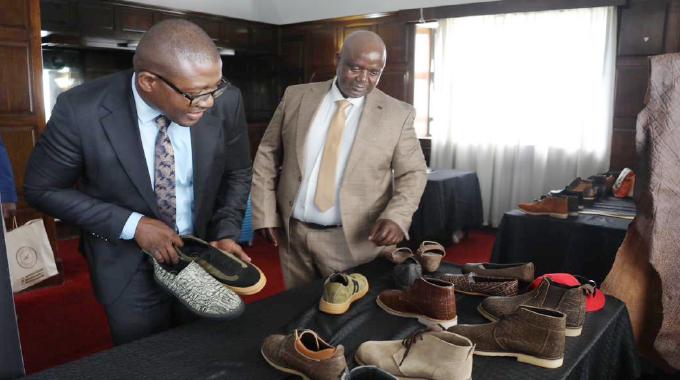
Industry players and Government officials met in Bulawayo recently to explore ways of strengthening the leather value chain and increasing its contribution to national development. The initiative builds upon the country’s strong cattle-rearing base, which provides a solid foundation for the growth of a competitive and export-oriented leather industry.
Minister of Industry and Commerce, Mangaliso Ndlovu, said the leather value chain is central to the aspirations of the Zimbabwe National Industrial Development Policy 2 (ZNIDP2).
“It is a prime example of agro-processing and value addition, transforming raw hides and skins into high-value finished products for both domestic and export markets,” he said.
The Zimbabwe Leather Development Council reported that the sector is already implementing the four strategic pillars outlined in the National Leather Sector Strategy, with a heightened focus on value addition, innovation and enhancing export competitiveness.
“It is only through exports that we can grow our economy. The game-changer is now in place, and we expect innovative designs to emerge from our highly advanced design studio,” said the council’s representative, Clement Shoko.
Stakeholders noted that enhanced cooperation across the value chain will be essential in addressing existing gaps and accelerating sectoral growth.
“This is an important meeting because it brings us together to identify gaps in the leather sector so that the value chain can be instrumental in driving industrial transformation,” said one industry player.
Another participant emphasised the significance of the wide representation at the meeting.
“It is encouraging to see such a diverse gathering. It reflects the critical importance of collaboration in driving industrial development,” the stakeholder said.
Government views the leather sector as a strategic pathway for export diversification, job creation and broad-based industrial transformation. The renewed focus on the industry is expected to boost Zimbabwe’s manufacturing capacity while creating new opportunities from livestock production right through to finished leather goods.