A US$500 million investment towards the construction of a multi-purpose industrial park in Hwange is set to become a key pillar in Zimbabwe’s strategy to achieve an upper-middle income status by 2030.
The new industrial park will consist of a coke oven battery, a cement manufacturing plant, and a power generation station. These three operations form a fully integrated industrial ecosystem that converts coal into a range of high-value products while significantly reducing waste through efficient resource utilisation.
Government officials say the project is a clear demonstration of the benefits of Zimbabwe’s value-addition and beneficiation strategy, particularly in mining-rich provinces.
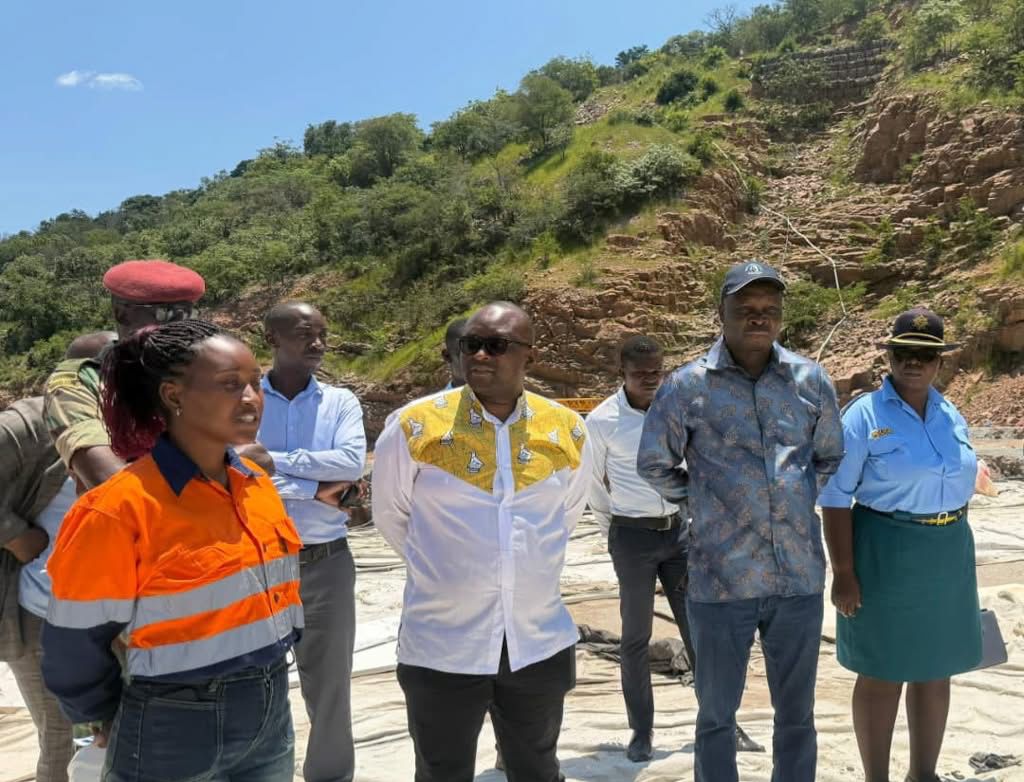
Speaking during a site tour, last Saturday, Matabeleland North Minister of State for Provincial Affairs and Devolution, Richard Moyo, said the province was already seeing broad gains from the ambitious development.
“Matabeleland North has become a major beneficiary in many ways. We pay tribute to President Mnangagwa for commissioning these mines, which led to the development we are witnessing today,” he said.
Minister of Information, Publicity and Broadcasting Services, Dr Jenfan Muswere, said the scale and diversity of production at the park highlight the success of the integrated industrial model.
“We have witnessed a range of products being produced at this industrial park, including 100 megawatts of power, and between 250 000 and 300 000 metric tonnes of various coke products. Additionally, about 500 000 tonnes of cement are being produced using fly ash. Beyond the advanced technology on display, there is also a clear intention and commitment to expand,” Dr Muswere said.
Representatives of Zhongjin Heli, one of the major investors behind the project, expressed growing confidence in Zimbabwe’s investment climate.
“We love Zimbabwe’s investment environment, and we are looking at increasing our production here, including doubling the capacity of our power station,” said Liam Bruce.
The project underscores Zimbabwe’s ongoing efforts to elevate the mining sector and attract long-term investment, as the Second Republic intensifies its drive toward sustainable economic development.