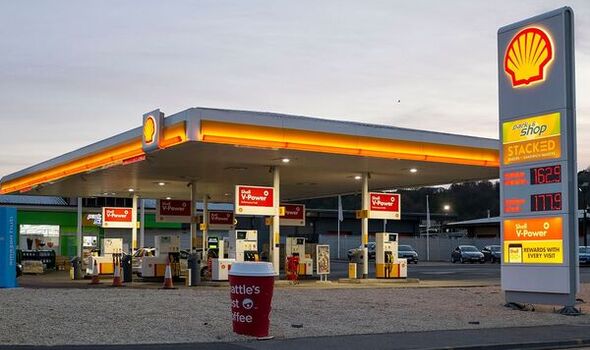
Shell has announced a higher-than-forecast surge in profits for the first three months of the year, thanks to rocketing oil prices caused by the Iran war.
The oil giant reported underlying earnings of 6.92 billion US dollars (£5.09 billion), more than double the result in the previous three months and 24% higher on a year ago.
Most analysts had expected the group to report profits of 6.36 billion US dollars (£4.67 billion).
It said the soaring cost of crude had boosted its oil trading business, and the wider chemicals and products division saw underlying earnings more than quadruple to 1.93 billion dollars (£1.41 billion) from 449 million dollars (£330 million) a year earlier.
The group announced more returns for shareholders, with another three billion dollars (£2.2 billion) in share buybacks for the next three months and a 5% increase in its dividend payout.
Shell chief executive Wael Sawan said: “Shell delivered strong results enabled by our relentless focus on operational performance in a quarter marked by unprecedented disruption in global energy markets.
“The safety of our people remains our priority as we work closely with governments and customers to address their energy needs.”
Rival BP also reported far better than expected results last week, as first quarter profits more than doubled to 3.2 billion US dollars (£2.35 billion) as its traders were able to capitalise on highly volatile oil prices.
BP came under fire from campaigners, who accused BP of profiting at the expense of households as fuel prices have rocketed at the pumps, and who are likely to see energy bills jump higher when the price cap is updated on July 1.
Brent crude oil, jet fuel and gas prices have all surged after production was hit by attacks in the region, and the important Strait of Hormuz shipping corridor remains heavily disrupted.
The price of crude reached 126 dollars a barrel last week, the highest level in four years, before falling back amid hopes of a peace deal, but still remains above 100 dollars a barrel.
However, Shell has had its facilities disrupted, and in March its PearlGTL site in Qatar stopped production after being hit during attacks. LNG facilities in the country partly owned by Shell have also been affected.
Shell said it was not taking an impairment charge in the first quarter despite “production shutdowns and export constraints”.
The group also recently agreed a 16.4 billion dollar (£12.1 billion) deal to buy Canadian energy firm ARC Resources, which Mr Sawan said will “deliver value for decades to come”.
standard.co.uk