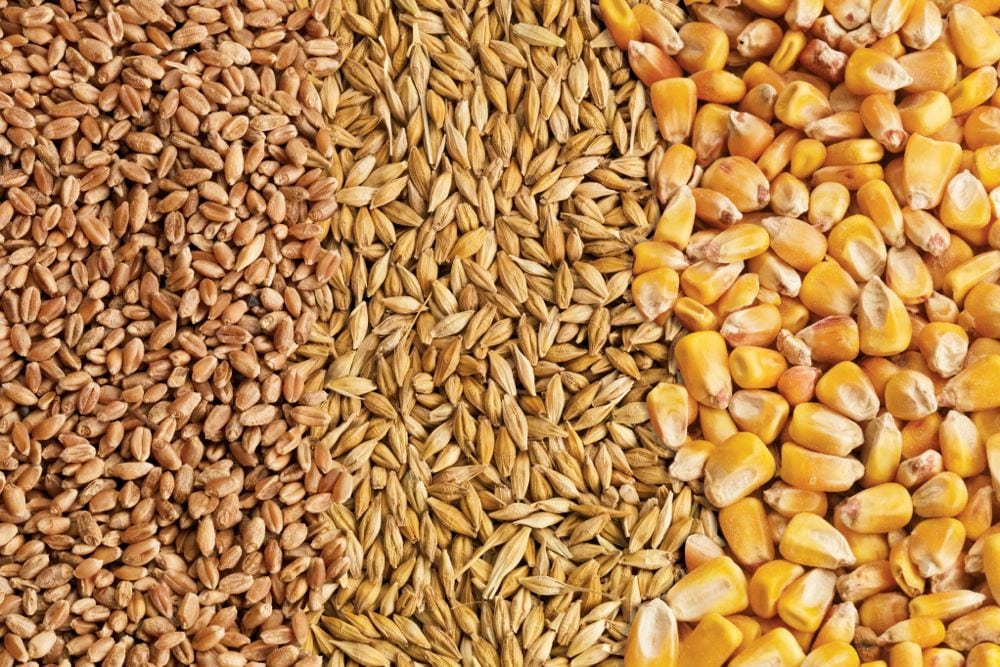
Government is intensifying efforts to safeguard Zimbabwe’s grain supply chain amid growing concerns that the forthcoming summer cropping season could be affected by the El Niño weather phenomenon.
The move comes as Government officials engage grain millers over challenges threatening the smooth movement and availability of maize and other strategic grains, with importation bottlenecks emerging as one of the major concerns.
Recently, the Grain Millers Association Southern Region chairperson, Major (Rtd) David Moyo, urged Government to urgently address challenges affecting grain imports to ensure adequate supplies in the event of reduced domestic production.
“Government should chip in and deal with importation modalities. We understand there is a pending drought and, as such, farmers are holding on to their maize stocks for speculative purposes,” he said.
Major (Rtd) Moyo said the milling industry was working with Government to ensure that the country remained adequately supplied with the staple commodity despite potential disruptions to production.
“We are leaving nothing to chance in ensuring that people get this critical commodity,” he said.
The engagement between Government and millers comes at a time when stakeholders are preparing for possible drought conditions that could affect agricultural output and place additional pressure on the country’s grain reserves.
Industry players have called for the removal of administrative and tax-related bottlenecks that could slow the importation of grain and increase pressure on domestic stocks.
Minister of Industry and Commerce, Mangaliso Ndlovu, said Government had taken note of the concerns raised by millers and would engage relevant ministries to find solutions.
“We have heard the concerns from millers. I am going to engage my counterparts from the Ministry of Agriculture and the Ministry of Finance so that we deal with the tax issues affecting the sector,” he said.
Minister Ndlovu assured the nation that Government was taking measures to prevent food shortages and ensure grain was available across the country.
“All I can say is that no one will die of hunger, as the President has rightfully said in the past. We are dealing with the grain supply chain in the country to ensure that every part of the country is well catered for,” he said.
The Government’s intervention is expected to strengthen the country’s food security measures by ensuring that grain supplies remain stable even if domestic production is affected by unfavourable weather conditions.
The measures are also in line with the objectives of the National Development Strategy 2, which places emphasis on strengthening food security, social protection and resilience against climate-related shocks.
With the summer cropping season approaching, authorities and industry players are expected to continue monitoring grain stocks, import requirements and weather developments to ensure that Zimbabwe remains adequately supplied with the staple commodity.