
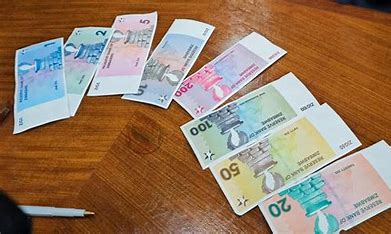
The Zimbabwe Gold (ZiG) is increasingly being used for domestic transactions, with the local currency now accounting for about 43 percent of payments across the country’s payment platforms.
In a statement yesterday, Reserve Bank of Zimbabwe (RBZ) Deputy Governor Dr Innocent Matshe said the growing share of ZiG-denominated transactions reflected increasing use of the currency and provided an important foundation for strengthening the domestic financial system.
“ZiG now accounts for about 43 percent of transactions across payment platforms.
This is a signal of growing use and confidence in the local currency, but the next challenge is to convert this higher transactional use into long-term savings, deposits and investment capital that banks can channel into productive lending,” he added
Dr Matshe said the banking sector was gradually moving beyond traditional savings mobilisation towards capital formation, although the growth in lending had not yet matched developments on the deposits side.
“Banks are gradually shifting from simple savings mobilisation towards capital formation, although lending has yet to increase proportionately.
The loans-to-deposit ratio has declined by around three to five percentage points, which we view as part of the monetary transition,” he added.
Dr Matshe said the development of a deeper domestic financial market depended on the ability of the economy to move progressively from transactions into savings, credit and long-term investment.
“The key test for ZiG is therefore moving from payments to savings, to credit and then to long-term investment.
This progression was critical for building a financial system capable of supporting businesses and households while providing funding for productive assets and broader economic expansion,” the Deputy Governor noted.
The RBZ’s focus on capital formation comes as Zimbabwe seeks to strengthen financial intermediation and ensure that increased domestic liquidity is translated into productive economic activity.