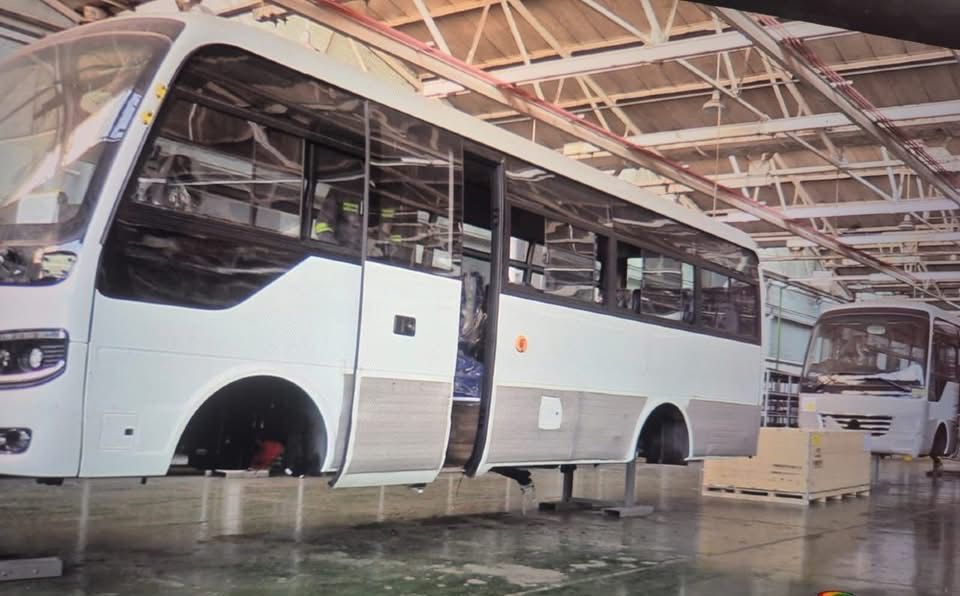
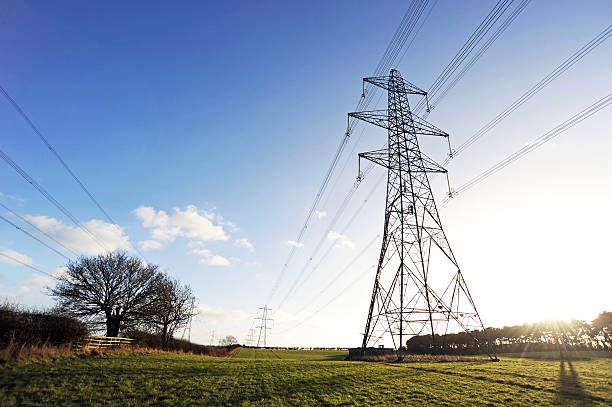
Zimbabwe’s manufacturing sector is reporting improved production and growing customer confidence following more than 200 consecutive days without load-shedding, with businesses saying reliable electricity is helping restore predictability to operations.
The sustained power supply has eased one of the major challenges faced by manufacturers, who previously endured production disruptions caused by intermittent electricity shortages linked to constrained generation capacity at the country’s hydro and thermal power stations.
The improvement follows investment in power-generation infrastructure, including Hwange Units 7 and 8, which added at least 600 megawatts to the national grid.
Small-scale manufacturers in Harare said the availability of electricity had made it easier to plan production schedules, meet deadlines and fulfil customer orders.
Skilz Shopfitters supervisor Tendai Chinyahara said the company was now able to operate with greater certainty.
“The situation has vastly improved and we are now planning properly without challenges or fears that power may go except where there are general faults,” he said.
Industrialist Alex Chakandiona said reliable electricity had also improved the ability of businesses to respond to customer demand.
“Instances where customers’ orders are not fulfilled are now things of the past and we are thankful for Government restoring power supply,” he said.
Rockfield Engineering chief executive officer Kundai Chingarande said the improved electricity supply had boosted customer confidence and supported the growth of his business.
“My business has grown, and customers now have confidence in my work. For a long time, I don’t remember any power cuts, and my generator has not been switched on for a long time now,” he said.
The developments come as energy security is expected to feature prominently at next month’s COMESA business forum, with Zimbabwe set to assume the chairmanship of the 21-member regional bloc.
Reliable energy is increasingly regarded as an important component of Africa’s industrialisation agenda, particularly as countries seek to expand manufacturing capacity and increase intra-African trade.
Zimbabwe has also adopted a National Renewable Energy Policy aimed at encouraging investment in alternative energy sources.
The policy has attracted increased interest in renewable energy projects, particularly in the mining sector, where companies are developing their own power-generation capacity and reducing pressure on the national grid.
The combination of increased generation capacity, improved electricity availability and investment in renewable energy is expected to support greater production and business continuity across the economy.