Cabinet has approved the Financial Sector Development Strategy for 2026–2030, aimed at strengthening financial stability, expanding financial inclusion and mobilising long-term savings to support Zimbabwe’s economic development.
The strategy seeks to improve the efficiency and resilience of the financial system, deepen capital markets, encourage financial innovation and enhance financial literacy, while ensuring that domestic savings are channelled towards the productive sectors of the economy.
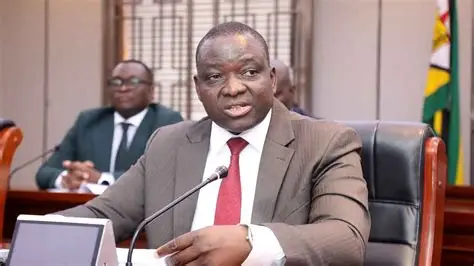
Speaking during yesterday’s post-Cabinet media briefing in Harare, Information, Publicity and Broadcasting Services Minister Dr Zhemu Soda said a stable, efficient and inclusive financial sector was critical to unlocking investment, creating employment and advancing the country’s Vision 2030 development agenda.
The Minister said Zimbabwe’s financial sector, comprising banking, insurance, pensions and capital markets, remained stable and adequately capitalised, with non-performing loans at low levels.
“The nation is being informed that the financial sector, encompassing banking, insurance, pension and capital markets, remains safe and sound, underpinned by adequate capitalisation and low non-performing loans,” he said.
Dr Soda cited the growth in banking sector deposits as evidence of improving confidence in the financial system under the Second Republic, noting that deposits had increased from approximately US$2 billion in 2017 to about US$7 billion in 2026.
“Key indicators reveal notable progress in the banking sector under the Second Republic, including increased bank deposits from about US$2 billion in 2017 to about US$7 billion in 2026,” he said.
He said Government would continue implementing measures to consolidate these gains by improving financial sector efficiency, strengthening financial infrastructure, expanding capital markets and widening access to financial services.
“Confidence building in the financial sector will continue to be advanced to effectively support the country’s national development agenda,” Dr Soda said.
He added that financial inclusion, literacy and innovation would remain important pillars of the strategy, alongside policy consistency and measures to strengthen the resilience of financial institutions.
“A robust and well-developed financial sector becomes critical in the facilitation of economic growth, investment and job creation,” he said.
Dr Soda said the strategy would also strengthen the capacity of the financial system to mobilise domestic resources and direct them towards sectors capable of generating economic value, expanding productive capacity and creating employment.
“The Financial Sector Development Strategy: 2026–2030 will therefore foster financial sector deepening, build stability, enhance resilience, promote inclusion and a well-regulated financial system capable of mobilising long-term savings, channelling national savings to productive sectors and supporting sustained economic growth towards the attainment of Vision 2030,” he said.
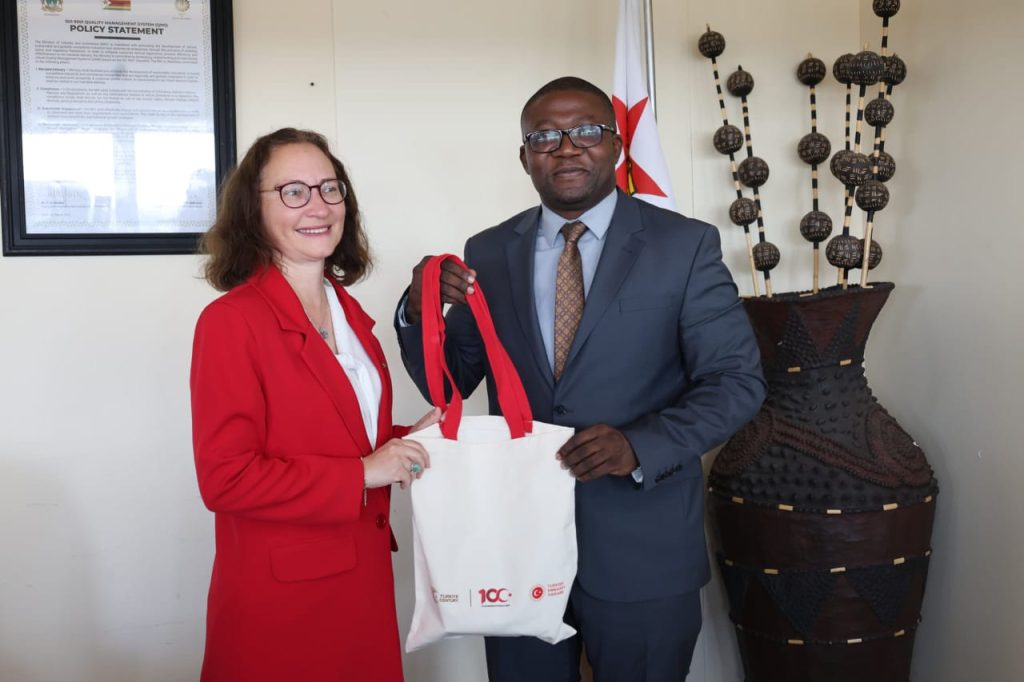
Cabinet also received an update on preparations for the 31st Conference of the Parties (COP31) on biodiversity, with Environment, Climate and Wildlife Minister Dr Evelyn Ndlovu outlining Zimbabwe’s expectations for the conference, which will be held in Türkiye.
Cabinet also noted a report on Zimbabwe’s participation at the Third Russia-Africa Summit, held in Moscow from October 24 to 30.
President Emmerson Mnangagwa attended the summit in his capacity as Zimbabwe’s Head of State and Chairperson of the Common Market for Eastern and Southern Africa (COMESA), advancing the country’s economic diplomacy and strengthening cooperation with Russia and other African countries.
The summit adopted three key documents, including the Russia-Africa Summit Declaration on cooperation in the civilian use of artificial intelligence and a Partnership Action Plan for 2027–2029.
The agreements provide a framework for deepening political engagement and expanding cooperation in science and technology, industrial development and other areas of mutual interest.
President Mnangagwa called for partnerships that leverage Africa’s natural resources, youthful population and expanding markets alongside Russia’s scientific and industrial capabilities, emphasising the need for cooperation to translate into tangible economic benefits. He also engaged Russian institutions and met Zimbabwean students studying in the Russian Federation, encouraging them to acquire skills and expertise that can contribute to the country’s national development.