
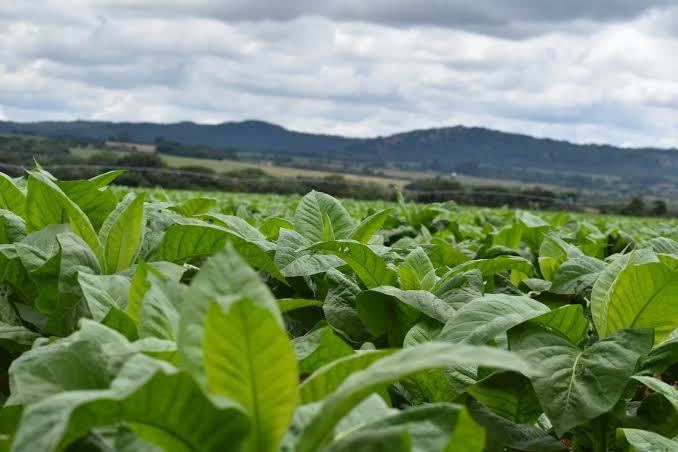
Tobacco planting for the 2026/27 season has increased by 28% compared to the same period last year, with farmers having put more than 22 000 hectares under the crop by October 30.
The growth reflects a strong start to the production season, with irrigation accounting for the bulk of the planted area as growers seek to cushion their crops against anticipated dry conditions.
Latest Agricultural Development Advisory Services (ADAS) weekly figures show that 22 918 hectares had been planted by October 30, up from 17 867 hectares recorded during the corresponding period last year.
Of the total hectarage, 19 998 hectares are under irrigation, while 2 920 hectares comprise dryland tobacco, meaning irrigated production accounts for about 87% of the national planted area.
Mashonaland East leads provincial production with 7 949 hectares, comprising 7 271 hectares under irrigation and 678 hectares under dryland production.
Manicaland follows with 7 148 hectares, including 6 442 hectares of irrigated tobacco and 706 hectares of dryland crop.
Mashonaland Central has recorded 4 274 hectares, with 2 755 hectares under irrigation and 1 519 hectares under dryland production.
Mashonaland West has planted 3 530 hectares, of which 3 513 hectares are irrigated and 17 hectares are under dryland production, while Matabeleland North has recorded 17 hectares of irrigated tobacco.
As the season progresses, farmers with irrigated crops are concentrating on crop management, while those preparing dryland tobacco are watering and hardening their seedbeds ahead of transplanting.
The Tobacco Industry and Marketing Board (TIMB) has urged growers to align their hectarage with available resources and invest in irrigation to minimise the risks associated with unpredictable rainfall and the anticipated El Niño-related dry conditions.
The board also encouraged farmers to adopt moisture-conservation practices to protect crop development and improve productivity.
“Irrigation reduces dependence on unpredictable rainfall, promotes uniform crop growth, improves leaf quality and helps growers achieve higher weight per hectare,” said TIMB.
The board further advised farmers to plant manageable hectarages to ensure they can adequately finance and maintain their crops throughout the production cycle.
Tobacco remains one of Zimbabwe’s major agricultural export commodities, generating foreign currency while supporting employment and livelihoods across the farming, processing, marketing and distribution value chains.