Parliament has expressed satisfaction with the nationwide public consultation process on the Constitution of Zimbabwe Amendment (No. 3) Bill, following an extensive outreach programme that reached every district across the country.
The consultation process remains open until May 18, giving Zimbabweans additional time to submit their views through written and online platforms before the Bill proceeds to the next parliamentary stages.
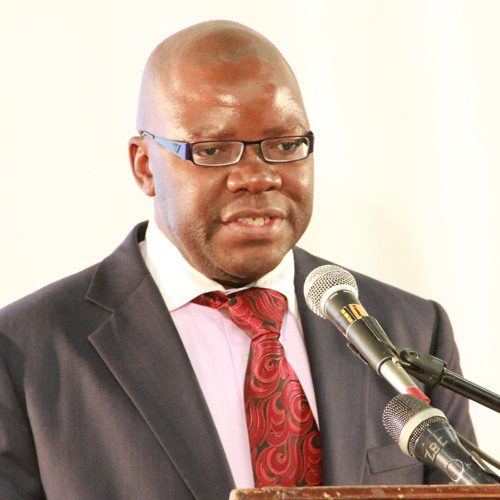
Clerk of Parliament, Kennedy Chokuda, said the outreach exercise marked one of the most comprehensive public consultation programmes ever conducted by Parliament.
“We ensured that we went to every district in this country. For normal Bills, we usually hold consultations at one venue per province, but this time we gave Zimbabweans across the country an opportunity to make their submissions, and we are satisfied with the process,” he said.
The Constitutional Amendment No. 3 Bill was gazetted in February, with public hearings held from March 30 to April 2 in line with constitutional requirements.
Mr Chokuda noted that public hearings formed only part of the broader consultation framework, with citizens still able to submit written memoranda in hard copy or electronically.
“The 90-day consultation period ends on May 17, which falls on a Sunday. In terms of the Constitution, the deadline automatically moves to Monday, May 18, which becomes the final day for submissions,” he explained.
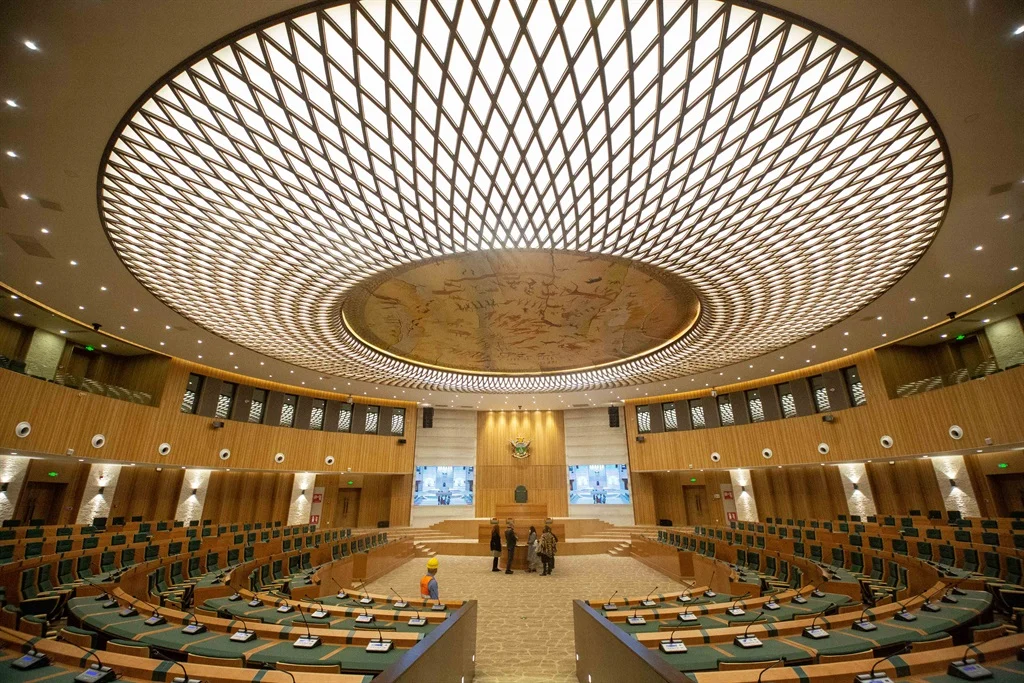
To widen accessibility, Parliament also established an additional submission point at the Old Parliament Building in Harare for members of the public who may face challenges travelling to Mount Hampden.
“We know Mount Hampden is a bit out of town, so we opened an additional submission point at the Old Parliament Building. We have done everything possible to ensure the process is inclusive,” said Chokuda.
Once the consultation period closes, the relevant parliamentary committee will take between two and three weeks to analyse submissions gathered from public hearings, written inputs, and online contributions.
After that, the Minister of Justice, Legal and Parliamentary Affairs will introduce the Bill for its First Reading in Parliament, where only the long title is read without debate.
Substantive debate will begin at the Second Reading stage, when the Minister presents the details of the proposed constitutional amendments. The parliamentary committee will also table its report, informed by public submissions.
As a Constitutional Bill, Amendment No. 3 will follow a special legislative process, proceeding to Committee Stage for clause-by-clause scrutiny, and then to the Third Reading before being transmitted to the other House.
Unlike ordinary Bills, Constitutional amendments are not referred to the Parliamentary Legal Committee.
The proposed amendments are aimed at refining governance structures in line with national development goals under Vision 2030, with a focus on improving administrative efficiency, strengthening institutional alignment, and ensuring policy continuity.
Among the key proposals is the extension of presidential and parliamentary electoral cycles from five to seven years, which authorities say will support long-term planning, reduce election-related costs, and enhance development continuity.
The Bill also proposes the adoption of a parliamentary process in the election of the President, as well as the establishment of the Zimbabwe Delimitation Commission, among other reforms.