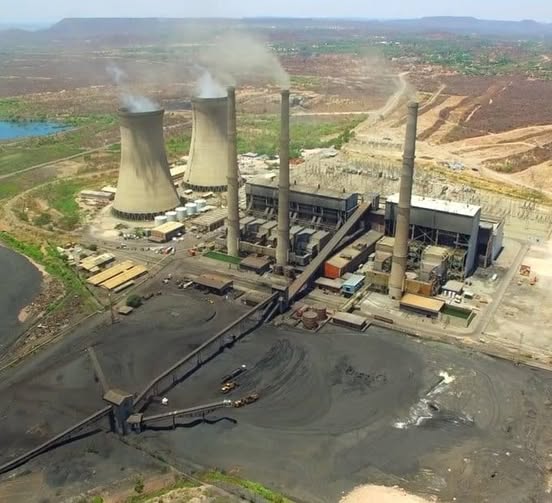
Zimbabwe’s coal industry has received a major boost following the resumption of operations at Mutagech Logistics in Hwange, which is now producing 60,000 tonnes of coal per month, with the bulk destined for regional export markets.
In an interview with the company’s project engineer yesterday, about 40,000 tonnes of the output is coking coal earmarked for South Africa and Zambia, a development expected to generate significant foreign currency inflows. He added that the mine was not only reviving industrial activity but also improving livelihoods in Lukosi, where 80 percent of the nearly 300 workers were recruited.
“This venture is not only powering industry but also transforming livehoods by improving access to education, healthcare, and income-generating opportunities,” Nkosana said.
The Zimbabwe Economic Review, in its latest analysis, applauded the development, noting that export earnings from coking coal would help ease foreign currency shortages while supporting fiscal stability.
“Coal exports to South Africa and Zambia will strengthen Zimbabwe’s regional trade footprint and bolster economic resilience at a time when diversification of foreign exchange sources is critical,” the report said.
The development comes as Zimbabwe’s national coal production is projected to increase by more than 10 percent in 2025, surpassing six million tonnes. Analysts say this growth underlines coal’s continued importance in supporting the country’s energy security and industrialisation drive under Vision 2030.
Economist Dr. Martin Nhakura described the Hwange project as “a timely boost” for the economy.
“Coal remains central to Zimbabwe’s energy mix, and enhanced production for both domestic use and export will stimulate downstream industries, safeguard energy supply, and create quality jobs in mining communities,” he said.
Another Harare-based economic analyst, Tendai Sibanda, added that foreign earnings from coal exports would complement agricultural and gold revenues, broadening the country’s economic base.
“This kind of industrial expansion directly feeds into Vision 2030 by creating jobs, improving rural livelihoods, and generating fiscal revenues to support social services,” Gwanyanya explained.
With the mine’s expansion and regional exports already taking shape, Hwange’s coal resurgence is positioning Zimbabwe as a competitive player in Southern Africa’s energy sector. The increased production capacity is also expected to reduce reliance on imports, stabilise electricity generation, and contribute to long-term industrialisation efforts.