Heroes Dependants have called for improved access to benefits, faster processing of applications and stronger support systems to address challenges affecting families of liberation war heroes.
The concerns were raised during the Heroes Dependants assistance board stakeholders meeting held in Bulawayo on Saturday, were widows, widowers, children of fallen liberation fighters and other stakeholders gathered to discuss issues affecting beneficiaries across the country.
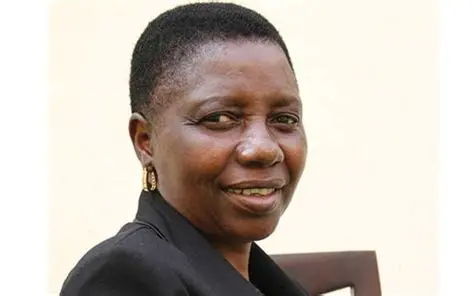
Addressing delegates, Minister of Veterans of the Liberation Struggle Affairs, Senator Monica Mavhunga said the welfare of heroes dependants remain a priority, given the sacrifices made during the country’s liberation struggle.
“The story of Zimbabwe’s liberation was written in sacrifice, resilience and unwavering patriotism. Behind every fallen fighter was a family whose life was permanently altered by the demands of the liberation struggle,” she said.
The meeting provided a platform for dependants to engage policymakers, veterans’ organisations and community leaders on challenges ranging from delayed documentation and educational assistance to inheritance disputes and limited awareness of available support programmes.
Participants highlighted the importance of ensuring that families of liberation heroes receive timely assistance and that processes for accessing benefits are made more efficient and accessible.
Senator Mavhunga said applications for assistance and PD2 documentation were currently being processed, with officials working to finalise submissions made during 2025.
“We have made progress in processing applications and ensuring that deserving beneficiaries receive the assistance they require. Funds have also been availed to clear outstanding educational fees and other benefits owed to beneficiaries,” she said.
She acknowledged that some challenges continued to affect service delivery, including incomplete documentation, inheritance disputes and lack of awareness in certain communities.
“These challenges require all of us to work together with unity of purpose. Government alone cannot fully address these issues without the support of traditional leaders, local authorities, veterans’ organisations, development partners and communities themselves,” said Mavhunga.
Stakeholders also welcomed ongoing efforts to digitise records and decentralise services, saying the reforms could improve access to information and reduce delays in processing applications.
Delegates also called for continued engagement among all stakeholders and greater accountability in programmes designed to support families of liberation heroes, arguing that their welfare remains an important part of preserving Zimbabwe’s liberation legacy.