Zimbabwe’s recent election to the United Nations Security Council and expanding economic ties with the United Kingdom took centre stage during a farewell courtesy call between Vice President General (Rtd) Dr Constantino Chiwenga and outgoing British Ambassador Pete Vowles in Harare yesterday.
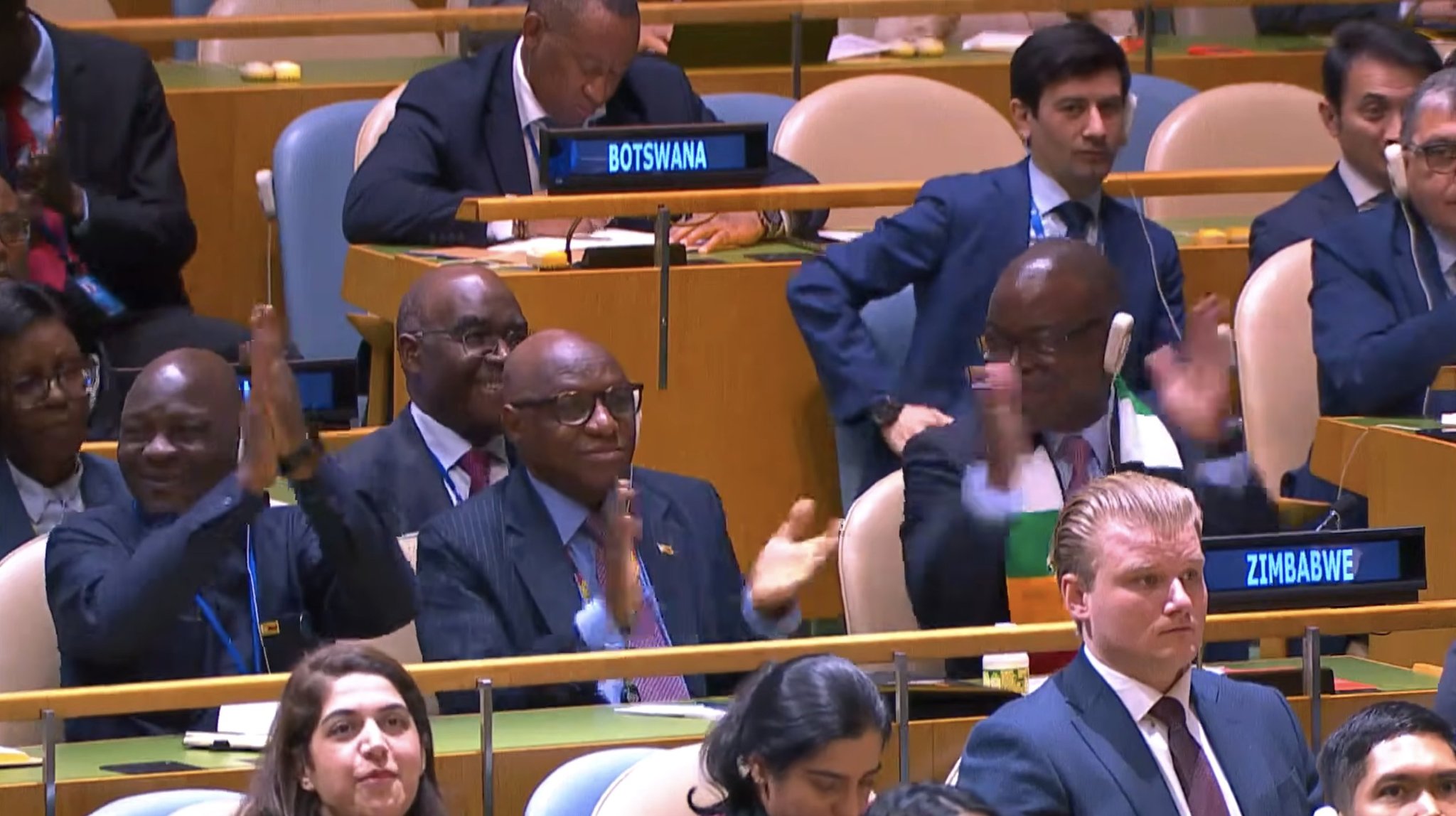
The meeting came in the wake of Zimbabwe’s successful bid for a non-permanent seat on the United Nations Security Council, a development that has further elevated the country’s profile on the international stage.
Ambassador Vowles congratulated Zimbabwe on the achievement, describing it as a significant milestone that presents opportunities for the country to contribute meaningfully to global affairs.
“We are really looking forward to working with Zimbabwe on some of the big global challenges we face today, including climate change, peace and security and territorial sovereignty,” he said.
Zimbabwe’s election is widely viewed as recognition of the country’s growing participation in multilateral diplomacy and its increasing role in addressing regional and international challenges.
The discussions also focused on strengthening economic relations between Zimbabwe and the United Kingdom, with both sides acknowledging the importance of expanding trade, investment and development cooperation.
Ambassador Vowles highlighted the benefits of existing market access arrangements that allow Zimbabwean products to enter the British market under duty-free and quota-free conditions, creating opportunities for local exporters, particularly in the agricultural sector.
He said growing commercial ties between the two countries were helping to unlock new opportunities for Zimbabwean businesses.
“We talked about the success of some of our investments, particularly in agriculture and solar energy, where institutions such as British International Investment are supporting development projects,” said Ambassador Vowles.
The outgoing envoy noted that discussions with Vice President Chiwenga also explored ways of increasing British private-sector participation in Zimbabwe’s economy.
According to Ambassador Vowles, both countries recognised the need to transform growing investor interest into concrete projects capable of driving economic growth, industrial development and job creation.
His departure comes at a time when Zimbabwe and the United Kingdom are seeking to deepen economic engagement, expand development partnerships and strengthen cooperation in areas of mutual interest amid an evolving global landscape.
The discussions reflected the positive trajectory of relations between Harare and London, underpinned by increasing diplomatic engagement and growing economic cooperation.