Government has expressed its appreciation to Sakunda Holdings for providing US$12.5 million towards the refurbishment of the National Sports Stadium (NSS), in Harare, a development that has paved the way for international football to return to Zimbabwe after nearly five years.
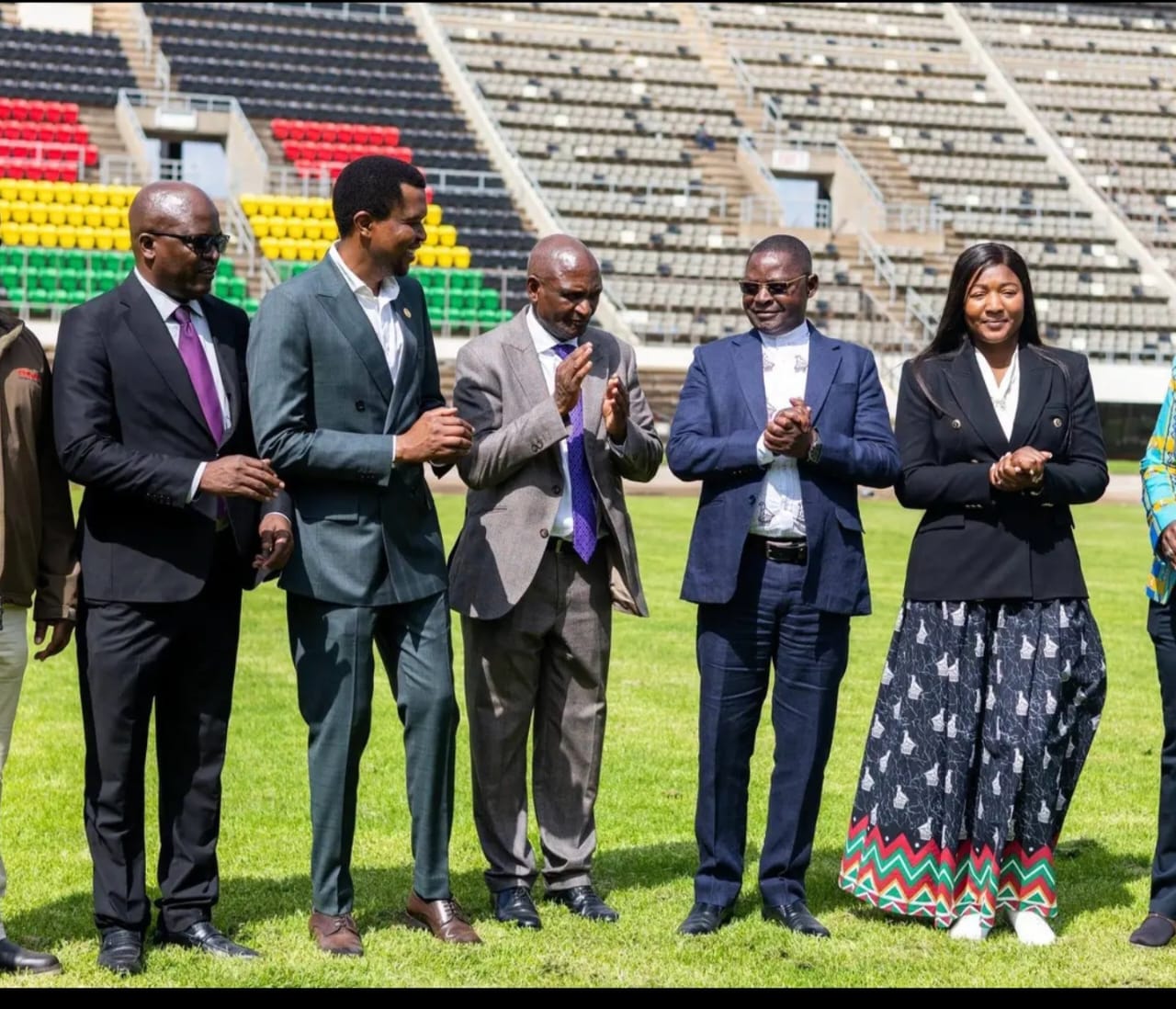
The rehabilitation has transformed the country’s biggest sporting venue from a facility that had been condemned for several years into a modern arena capable of hosting major continental and international competitions.
The Confederation of African Football (CAF) has granted the stadium Category 3 approval following a technical inspection and extensive rehabilitation works, clearing it to host a range of major international fixtures.
Minister of Sport, Recreation, Arts and Culture, Lieutenant-General (Retired) Anselem Sanyatwe, said Government was grateful for the private sector’s intervention.
“The Ministry also wishes to place on record its profound appreciation to Sakunda Holdings for its invaluable support towards the upgrading and modernisation of the National Sports Stadium,” he said.
The Minister said Sakunda’s contribution towards the pitch and seating had significantly improved the stadium’s functionality, appearance and overall experience for spectators.
CAF’s assessment of the rehabilitated playing surface as one of the best in Africa has further underscored the scale of the improvements made at the facility.
Sakunda committed approximately US$12.5 million to the refurbishment programme, supporting the installation of bucket seats, improvements to changing rooms and ablution facilities, upgrades to spectator and VIP areas, as well as the rehabilitation of the main pitch.
The intervention also helped Government reduce the financial burden associated with the stadium’s rehabilitation.
The Ministry had previously received a quotation of up to US$17 million for bucket seats alone. Under the refurbishment programme, approximately US$9.7 million was spent on the installation of seats and related works, while about US$1.2 million was channelled towards rehabilitating the playing surface.
The refurbished stadium now boasts 55 000 standard seats, 4 000 VIP seats, 980 VVIP seats, 20 Presidential seats and 92 media seats and tables.
Additional improvements include a retractable players’ tunnel, four sets of movable dugouts and a stadium-wide seat and row numbering system.
The completed project was handed over to Government on May 19, 2026.
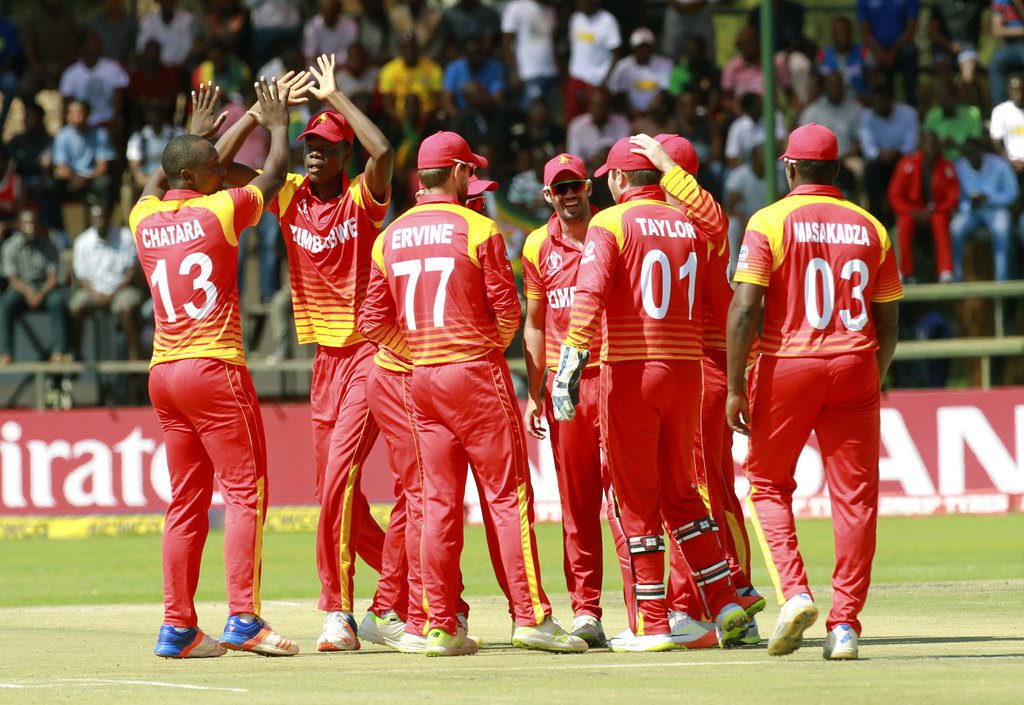
For nearly five years, Zimbabwe’s national teams were unable to use the NSS for FIFA-sanctioned international matches because the facility did not meet required homologation standards.
As a result, important fixtures had to be played outside the country, increasing costs for football authorities while depriving the Warriors and other national teams of home advantage and local supporters.
With the Category 3 approval, Zimbabwe can now host CAF Champions League and Confederation Cup group-stage and quarter-final matches, as well as Africa Cup of Nations and FIFA World Cup qualifiers and other approved continental competitions.
The return of the NSS to the international stage is therefore expected to benefit the entire sporting ecosystem, from players and clubs to supporters and businesses.
Sakunda’s investment has effectively restored one of Zimbabwe’s most important sporting landmarks, giving the country a venue capable of welcoming top African teams and international competitions once again.