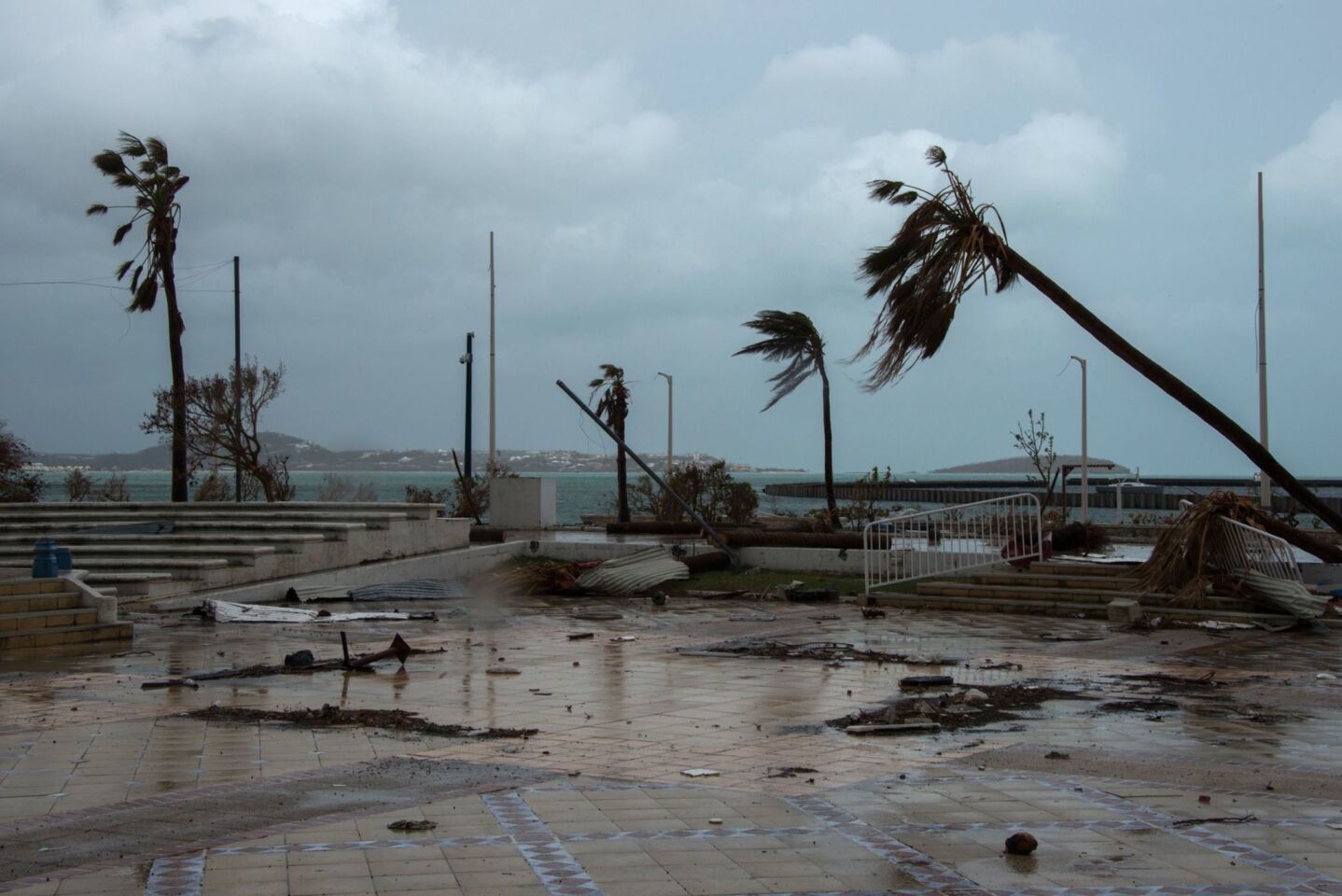
SANTIAGO DE CUBA, Cuba (AP) — People across the northern Caribbean were digging out from the destruction of Hurricane Melissa on Thursday as deaths from the catastrophic storm climbed.
The rumble of large machinery, whine of chainsaws and chopping of machetes echoed throughout southeast Jamaica as government workers and residents began clearing roads in a push to reach isolated communities that sustained a direct hit from one of the most powerful Atlantic storms on record.
Stunned residents wandered about, some staring at their roofless homes and waterlogged belongings strewn around them.
“I don’t have a house now,” said a distressed Sylvester Guthrie, a resident of Lacovia in the southern parish of St. Elizabeth, as he held onto his bicycle, the only possession of value left after the storm.
“I have land in another location that I can build back but I am going to need help,” the sanitation worker pleaded.
Emergency relief flights began landing at Jamaica’s main international airport, which reopened late Wednesday, as crews distributed water, food and other basic supplies.
“The devastation is enormous,” Jamaican Transportation Minister Daryl Vaz said.
Melissa also unleashed catastrophic flooding in Haiti, where at least 25 people were reported killed and 18 others missing, mostly in the country’s southern region.
Steven Guadard, who lives in Petit-Goâve, said Melissa killed his entire family.
“I had four children at home: a 1-month-old baby, a 7-year-old, an 8-year-old and another who was about to turn 4,” he said.
Haiti’s Civil Protection Agency said Hurricane Melissa killed at least 20 people in Petit-Goâve, including 10 children. It also damaged more than 160 homes and destroyed 80 others.
Officials warned that 152 disabled people in Haiti’s southern region required emergency food assistance. More than 11,600 people remained sheltered in Haiti because of the storm.
Source: AP News