The enactment of Zimbabwe’s Private Voluntary Organisations (PVO) Act has been widely welcomed as a significant step towards restoring order, accountability and coordination in the civic sector, while creating an enabling environment for compliant organisations to contribute meaningfully to national development and heritage preservation.
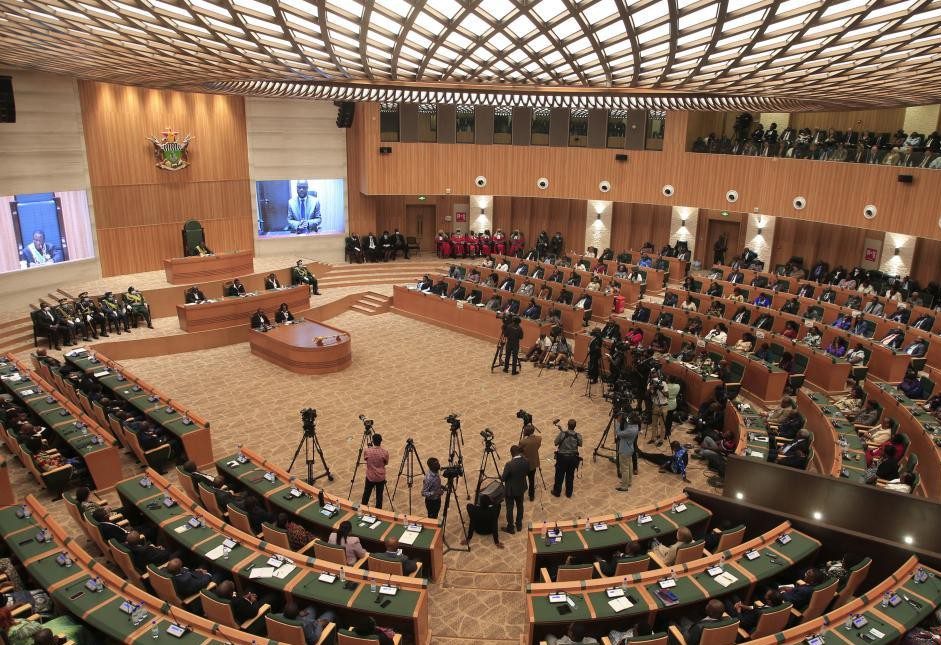
Gazetted in April 2025, the Act introduces clear operational guidelines for voluntary organisations, strengthening transparency and rebuilding public confidence in civic initiatives that align with national interests and constitutional values.
Prior to the new law, the sector was governed by outdated legislation that allowed weak oversight, fostering mistrust and fragmented operations that were often disconnected from national development priorities. The new framework seeks to address these challenges by ensuring that all PVOs operate within a well-defined and accountable legal environment.
In an interview with the media last Saturday, National Chairperson of the Friends of Veterans of the Liberation Struggle, Wellington Charuka, commended Government for creating an orderly operating space for voluntary organisations, particularly those involved in preserving the country’s liberation heritage.
“We want to thank the Government for allowing PVOs to operate in an orderly manner. As the President says, ‘Nyika inovakwa nevene vayo.’ Our responsibility is to ensure that our museums and monuments reflect the value of the sacrifices that were made,” said Charuka.
Political analyst, Takudzwa Gambiza said the Act was timely, especially given growing global concerns around the misuse of NGOs for illicit activities such as money laundering and the financing of terrorism, as well as local cases where some organisations strayed into partisan politics.
“Aligning the operations of PVOs with the Constitution brings sanity and accountability. This is a welcome development and reflects the order and transparency that Zimbabweans want,” he said.
Zimbabwe’s revised PVO framework mirrors international best practice, with countries such as South Africa, Kenya and the United Kingdom also regulating voluntary organisations through clear legal systems designed to ensure accountability, transparency and compliance with national laws.