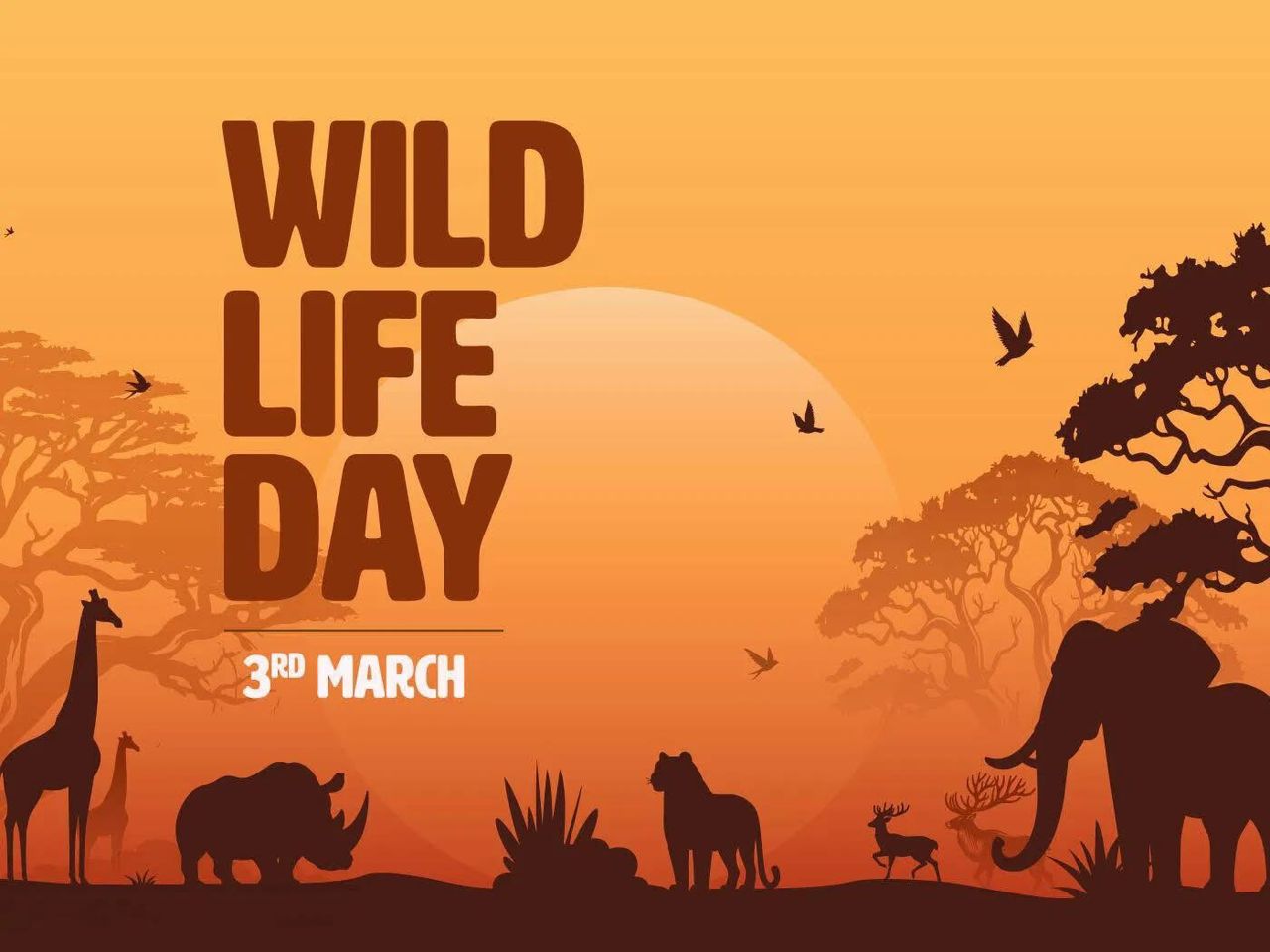
Today, as the world commemorates World Wildlife Day, Zimbabwe joins the global community in reflecting on the value of wildlife and the urgent responsibility to protect it. For us, this day is not merely symbolic. It is deeply personal.
Wildlife is woven into the fabric of our national identity, our economy and our environmental security. From the vast plains of Hwange to the thunderous spectacle of Victoria Falls, Zimbabwe’s natural heritage is both a source of pride and a pillar of sustainable development.
World Wildlife Day, observed annually on March 3 under the auspices of the United Nations, calls on nations to celebrate wild fauna and flora while raising awareness about the threats they face.
For Zimbabwe, the occasion resonates strongly because we are custodians of one of Africa’s richest biodiversity endowments. Our elephants, lions, rhinos, buffalo and countless other species are not abstract symbols; they are living assets that sustain communities and ecosystems alike.
The majestic elephant herds of Hwange National Park stand as a testament to Zimbabwe’s conservation legacy. Yet even here, the pressures are mounting.
Climate change-induced droughts, habitat encroachment and human-wildlife conflict are growing challenges. As water sources dry up and grazing land shrinks, animals wander into communities in search of sustenance, leading to tragic consequences for both people and wildlife.
Similarly, the iconic landscapes surrounding Victoria Falls are not just tourist attractions but complex ecosystems that support biodiversity and livelihoods.
Tourism linked to wildlife contributes significantly to Zimbabwe’s economy, generating employment and foreign currency. However, tourism can only thrive if conservation remains robust and forward-looking.
Zimbabwe has often been cited as a regional leader in community-based conservation. The CAMPFIRE programme, launched decades ago, empowered rural communities to benefit directly from wildlife management.
By linking conservation to tangible economic returns, it fostered a sense of ownership and stewardship. While the programme has faced funding and operational constraints over the years, its foundational philosophy remains relevant: people protect what they benefit from.
On this Wildlife Day, it is worth acknowledging that conservation in Zimbabwe operates within a complex socio-economic environment. Communities living adjacent to national parks bear the brunt of wildlife encounters.