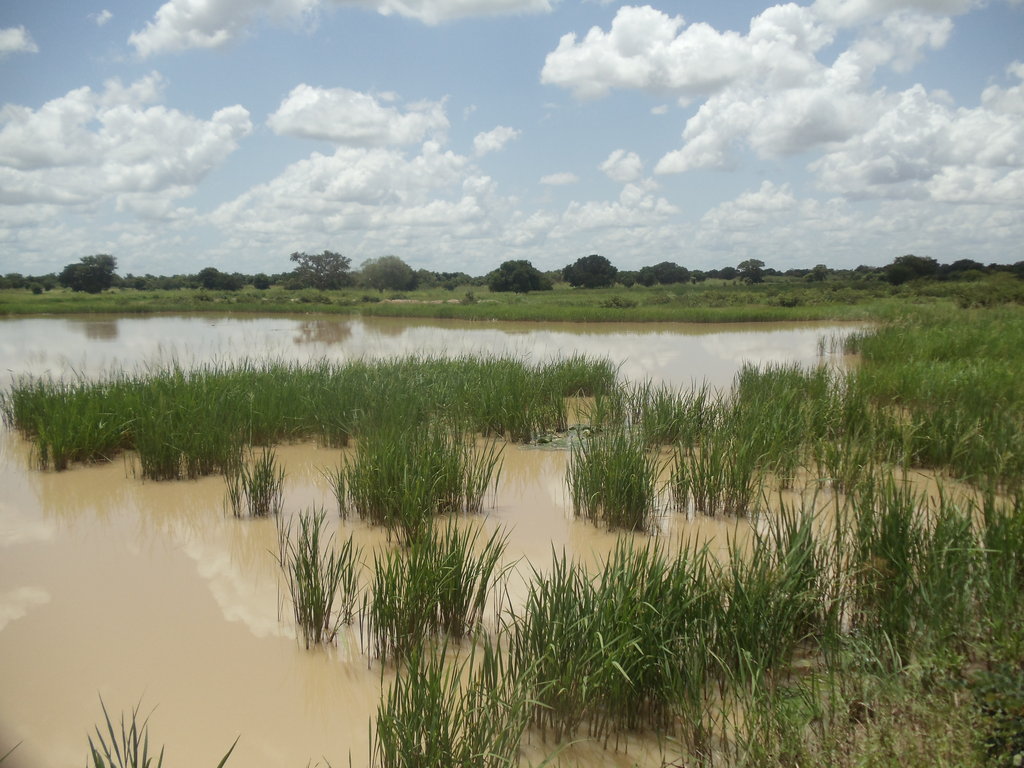
Communities across Masvingo Province have taken a leading role in the implementation of 96 wetland protection projects aimed at restoring degraded ecosystems and strengthening climate resilience in the region.
The projects, currently underway in Gutu, Masvingo, Bikita and Zaka districts, are not only focused on environmental restoration but also on empowering villagers to become custodians of their natural resources.
Speaking during World Wetlands Day commemorations held at Nerumedzo Primary School in Bikita, last week, Environmental Management Agency (EMA) Masvingo Provincial Manager, Milton Muusha, said sustainable conservation can only succeed if communities take ownership.
“This year’s theme reminds us that wetlands are not just ecological assets, but part of our cultural identity. Traditional leadership structures have always played a key role in protecting these areas through indigenous knowledge systems,” said Muusha.
He added that the 96 projects are targeting wetland rehabilitation, environmental education and sustainable livelihoods.
“We are moving away from policing communities to working with them. When communities understand the value of wetlands, they become the first line of defence against degradation,” he said.
Muusha warned against unsustainable practices such as streambank cultivation and illegal sand abstraction.
“These activities may provide short-term benefits, but in the long run they destroy the very resource base that communities depend on,” he said. “Wetlands regulate water flow, recharge groundwater and support biodiversity. Once damaged, they are very difficult and costly to restore.”
Chief Nerumedzo applauded the collaborative approach, saying traditional leaders have a responsibility to safeguard natural resources.
“As custodians of the land, we cannot allow our wetlands to disappear,” he said. “Our culture teaches us that certain areas are sacred and must be protected. We are reinforcing those values among our people.”
A representative from Christian Care also emphasized the importance of partnerships in ensuring sustainability.
“Our role is to complement Government efforts by providing technical support and strengthening community structures,” the representative said. “Sustainable wetland management contributes directly to household food security and income generation,” the chief said.
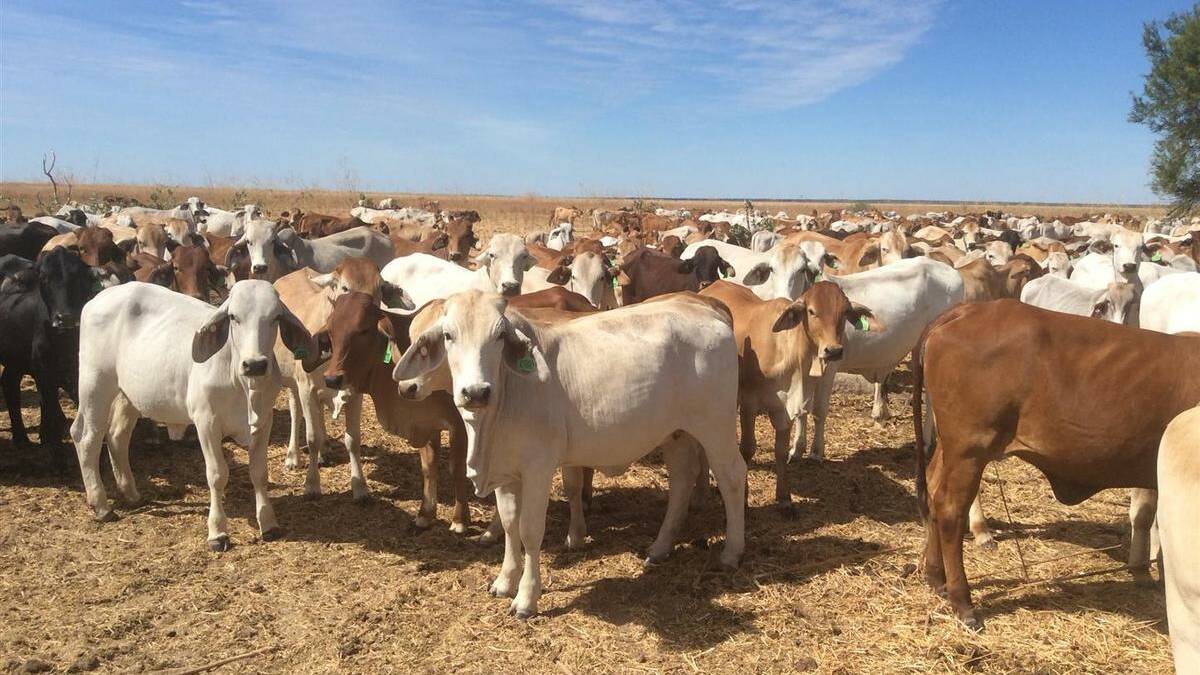
Under the programme, communities are being trained in sustainable land-use practices, wetland rehabilitation, and climate-smart agriculture to curb degradation caused by uncontrolled grazing and cultivation in sensitive areas.
Masvingo Province, which boasts more than 20 000 square kilometres of wetlands, has faced increasing pressure from population growth and climate change. Environmental experts warn that without intervention, wetland degradation could worsen water shortages and threaten livelihoods.
Beyond conservation, the wetland projects are expected to improve food security and household incomes by promoting controlled horticulture and aquaculture initiatives.
As climate change continues to affect rainfall patterns across the country, stakeholders say the protection of wetlands is no longer optional but essential.
“The future of our water security depends on what we do today,” Muusha said. “Wetlands are life-support systems, and protecting them is protecting ourselves.”