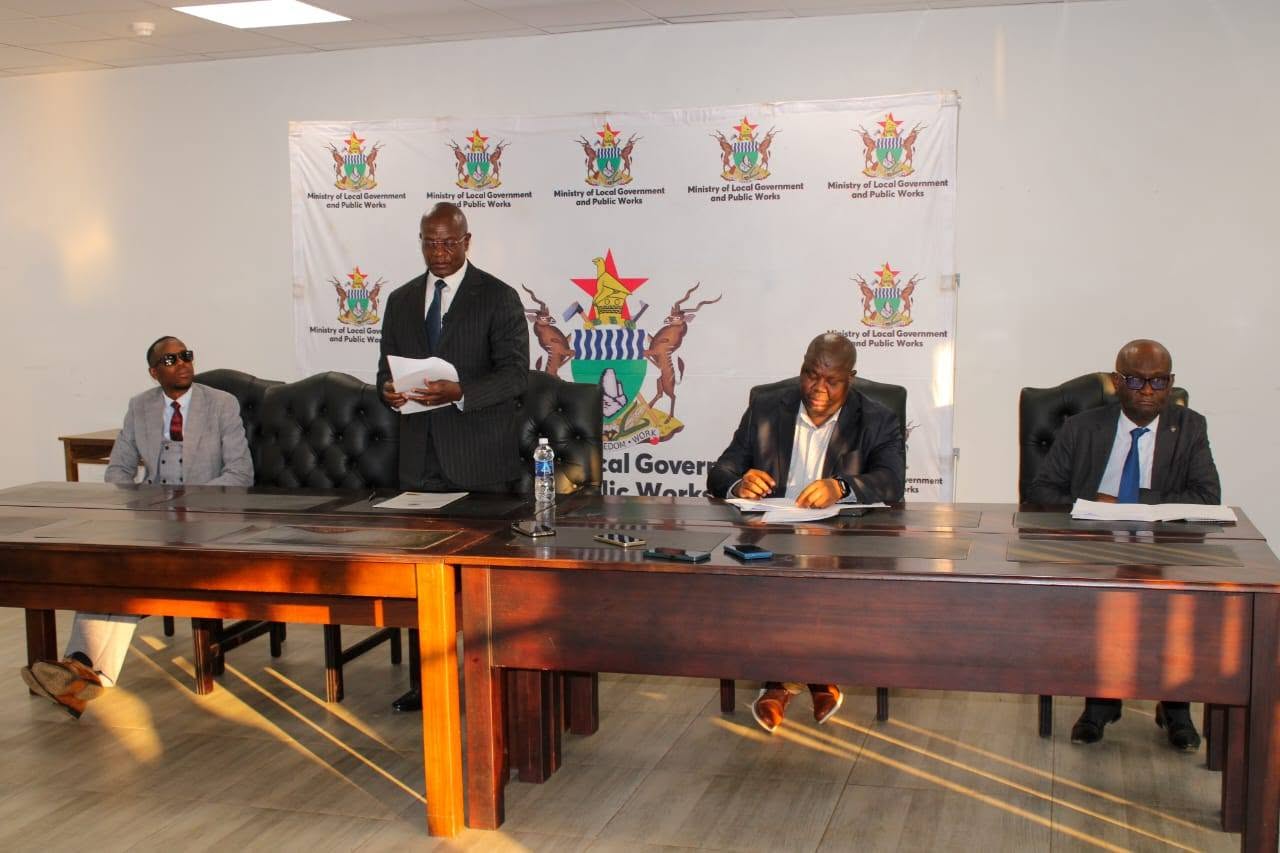
The Presidential Scholarship Seminar was held at Davis Hall in Bulawayo, yesterday, bringing together students, youth leaders and education stakeholders to promote access to higher education and empower Zimbabwean youth through learning opportunities under the Presidential Scholarship Programme.
Addressing the seminar Zibusiso Siziba, Deputy Secretary for Education in the Zanu PF Bulawayo Province Youth League, reaffirmed the party’s commitment to supporting young people who are unable to finance their further education.
“Our commitment as the Youth League is to ensure that no young person is denied an education because of financial constraints, as education remains central to national development and youth empowerment,” he said.
Siziba paid tribute to President Emmerson Mnangagwa for expanding access to education through the Presidential Scholarship Programme, which he said continues to change the lives of disadvantaged but talented students across the country.
“The President remains dedicated to uplifting the youth, particularly those who lack the financial means to pursue further education.
Through the Presidential Scholarship Programme, young Zimbabweans are being given a chance to realise their full potential and to contribute meaningfully to the development of the nation,” he added.
Siziba said the seminar was aimed at ensuring that young people, especially those from marginalised backgrounds, were adequately informed about the scholarship and the application process.
“It is important that no deserving student is left behind due to lack of information.This seminar is about empowering our youth with knowledge, guidance and confidence to apply for opportunities that can transform their futures,” he said.
A total of 120 students attended the seminar, which focused on informing, motivating and guiding prospective applicants on eligibility requirements, application procedures and expectations under the Presidential Scholarship Programme.
The Presidential Scholarship Programme was established to support academically gifted but financially disadvantaged Zimbabwean students to access higher education locally and internationally. It forms part of the Government’s efforts to invest in human capital development and position young people as key drivers of economic growth and national transformation.