
Zimbabwe’s summer cropping season is recovering strongly following a brief dry spell.
Speaking during yesterday’s Post Cabinet Press Briefing, Minister of Information, Publicity and Broadcasting Services, Soda Zhemu, said Cabinet received an update showing that the Second Round Crops, Livestock and Fisheries Assessment is currently underway and expected to be completed by April 10, 2026.
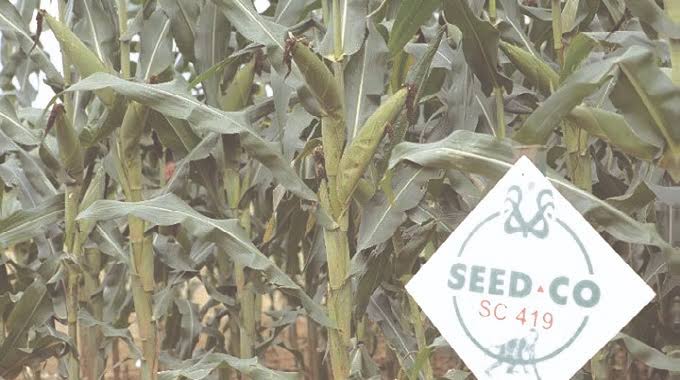
“The assessment will give a clearer picture of the performance of the agricultural season, but preliminary indications are that crops, particularly maize, have shown resilience and recovery following the recent dry spell,” said Minister Zhemu.
He said a total of 2.5 million hectares were planted to cereal crops, with maize accounting for about 1.9 million hectares, while sorghum, pearl millet and finger millet covered significant portions of the remaining hectarage.
“Despite the 2 to 3 weeks dry spell experienced across the country, there are indications of strong crop recovery, especially in agro-ecological regions one, two and three, while regions four and five have recorded some localised losses,” he added.
On grain reserves, Minister Zhemu said the Grain Marketing Board currently holds 166 894 metric tonnes, while significant progress has been made in settling payments to farmers.
“The Grain Marketing Board has managed to pay 88.8 percent of the United States dollar component and 74.8 percent of the ZiG component owed to farmers, with outstanding balances now standing at approximately US$4.1 million and ZiG90 million,” he said.
He outlined that marketing arrangements for the 2025/2026 season will involve multiple channels, including Government programmes, contractors and open market systems.
“The GMB will purchase grain produced under the Presidential Input Scheme, contractors will buy contracted produce at market prices, while self-financed farmers will sell to the best available markets.
GMB will utilise 1 804 collection points and 89 depots nationwide to enhance accessibility and reduce costs for farmers, while silo storage capacity has increased from 750 000 to 862 000 metric tonnes following infrastructure upgrades,” Zhemu added.
Turning to tobacco, Minister Zhemu said 48.2 million kilogrammes had been sold at an average price of US$2.85 per kilogramme, marking a 68 percent increase in volume compared to the same period last year, although prices declined.
“National dam levels currently average 93.2 percent, providing a strong foundation for the planned winter cropping programme,” said Minister Zhemu.
Zimbabwe’s agricultural sector remains central to food security and economic stability, with seasonal performance closely monitored to guide policy and market interventions.