The soul of a nation lives in its heritage, Gayton McKenzie, South Africa’s Minister of Sport, Arts and Culture, has said, as his country prepares to hand over the last Zimbabwe Soapstone Bird and ancestral human remains in a landmark act of cultural restitution ahead of Zimbabwe’s Independence Day celebrations.
The handover ceremony directed by South African President Cyril Ramaphosa took place yesterday at the Iziko South African Museum, marking a significant moment in the restoration of African heritage.
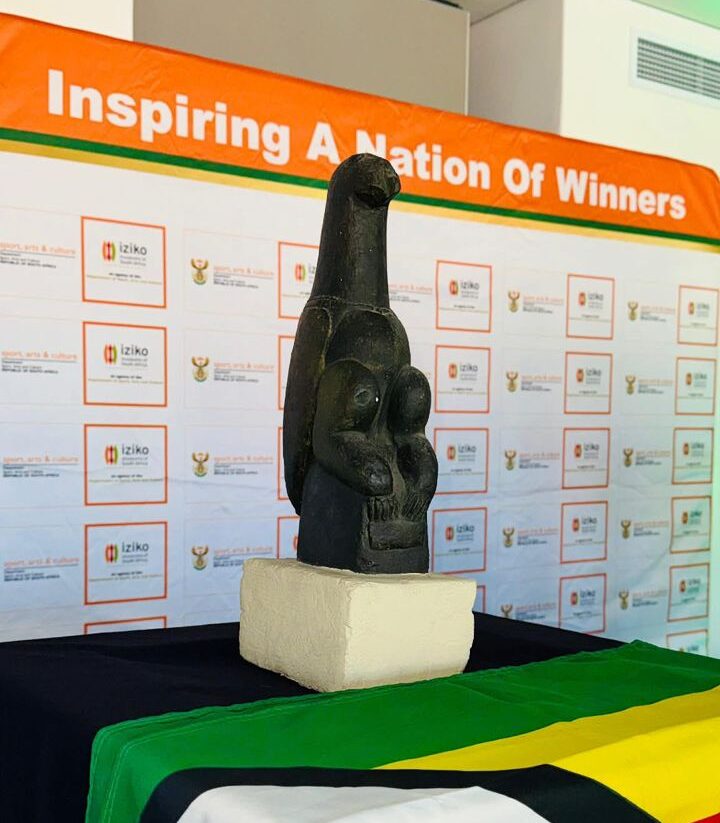
The sacred artefact, known as Hungwe, is one of the revered Zimbabwe Birds carved centuries ago at Great Zimbabwe. These sculptures stood as powerful symbols of spirituality, sovereignty, and identity within a thriving African civilisation between the 11th and 15th centuries.
Historians recount that during the late 19th century at the height of colonial looting, several of these iconic stone birds were taken from Zimbabwe and scattered across the world, cutting them off from their cultural origins. The bird now being returned is believed to be the last and most symbolically significant of the eight, taken nearly 140 years ago and linked to colonial figure Cecil John Rhodes.
Following Zimbabwe’s independence in 1980, some of the sculptures were repatriated through diplomacy. The return of this final Chapungu completes a decades-long effort to reclaim the nation’s most treasured cultural symbols.
Minister McKenzie emphasised that the repatriation represents more than the physical return of artefacts.
“When something sacred is taken from a people, a part of their story is taken with it. Returning these treasures is about restoring that story, restoring pride, and restoring dignity,” he said.
He added that the gesture reflects broader commitments to address historical injustices.
“The return of objects such as the Zimbabwe Bird is about justice, memory, and healing.”
The Zimbabwe Bird remains a core national emblem prominently displayed on the country’s flag and coat of arms symbolising unity, resilience, and identity.
South Africa noted that the repatriation underscores its commitment to partnering with African nations to reclaim, preserve, and protect cultural heritage. The move is widely viewed as a powerful act of continental solidarity and historical redress.