Zimbabwe’s agricultural transformation drive has received a major boost through its long-standing partnership with the International Fund for Agricultural Development (IFAD), which has mobilised nearly US$390 million since 1983 to support irrigation development, rural industrialisation and climate-smart agriculture initiatives.
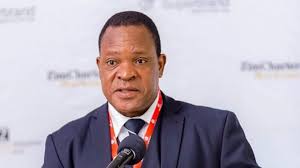
Speaking during the IFAD Country Strategy and Programme Evaluation engagement workshop in Harare yesterday, Minister of Agriculture, Mechanisation and Water Resources Development, Dr Anxious Jongwe Masuka, said the partnership remains critical in advancing Zimbabwe’s Vision 2030 agenda.
“IFAD has invested approximately US$163 million directly towards agricultural growth, livelihoods improvement and climate-smart development in Zimbabwe,” said Dr Masuka.
He said the collaboration was supporting Government’s drive to commercialise agriculture and transform rural communities into productive economic centres.
“The partnership is advancing Vision 2030 through agriculture-led industrialisation, irrigation expansion and commercialised farming,” he said.
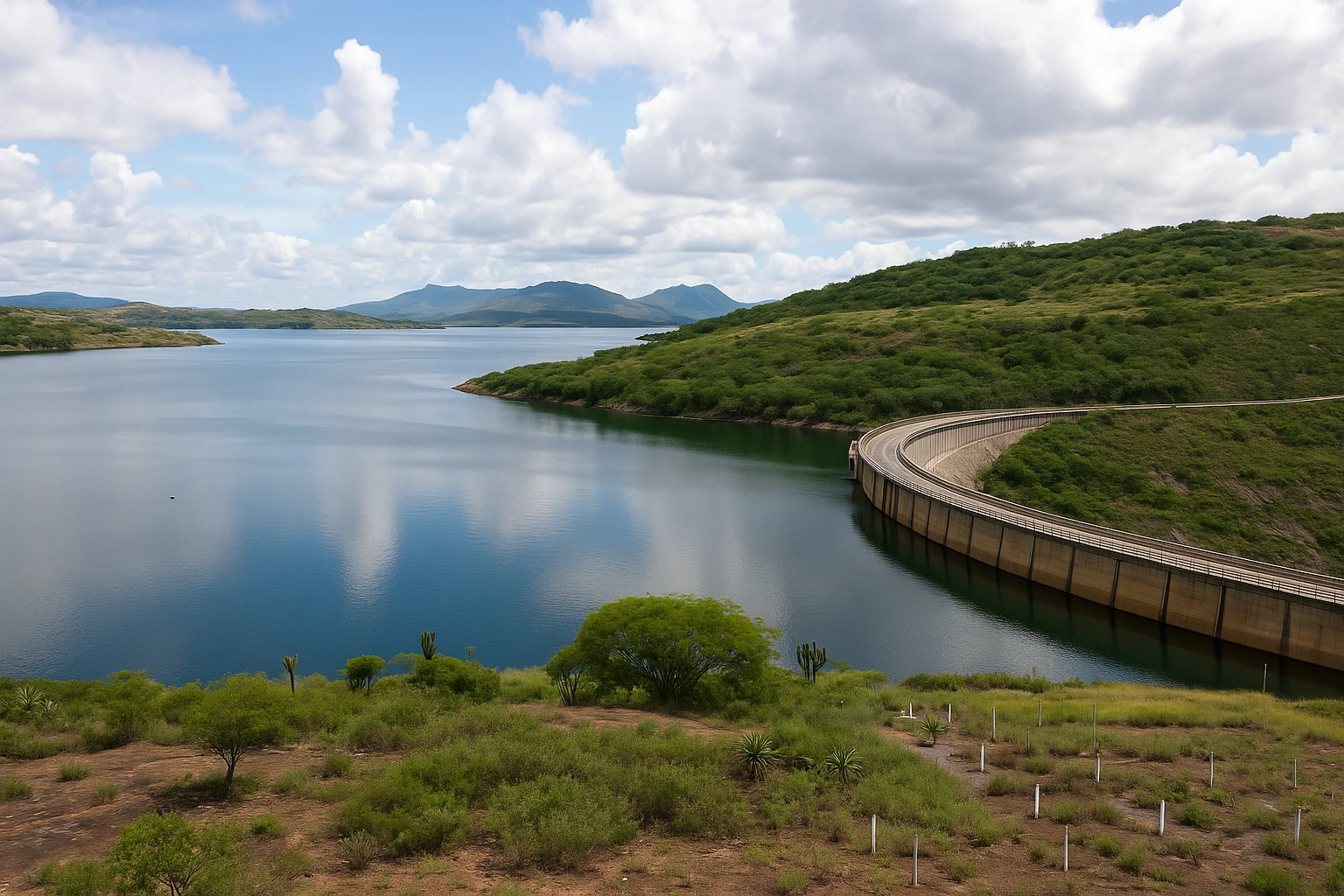
Dr Masuka revealed that irrigated land in Zimbabwe had increased from 175 000 hectares in 2017 to 258 773 hectares, with Government targeting 496 000 hectares by 2030 as part of efforts to strengthen food security and agricultural productivity.
“We are repositioning agriculture as a business through Agricultural Business Advisers, value addition and integrated rural industrialisation,” he added.
The minister said Zimbabwe was steadily transitioning from a traditional breadbasket to a competitive regional agro-industrial hub anchored on innovation and climate resilience.
Meanwhile, Minister of Lands and Rural Development, Vangelis Peter Haritatos, said secure land rights and modern land administration systems remained central to unlocking agricultural investment and economic growth.
“Our land is our prosperity, and Government is accelerating land administration reforms through the e-cadastre system, modern survey technologies and a new land policy framework aimed at improving productivity and access to finance,” added Minister Haritatos.
He added that Government’s focus had now shifted from land redistribution towards productivity, irrigation development, value addition and commercially-driven rural economies.
The workshop brought together Government officials, development partners and agricultural stakeholders to evaluate IFAD-supported programmes and map strategies for sustainable agricultural transformation in Zimbabwe.