
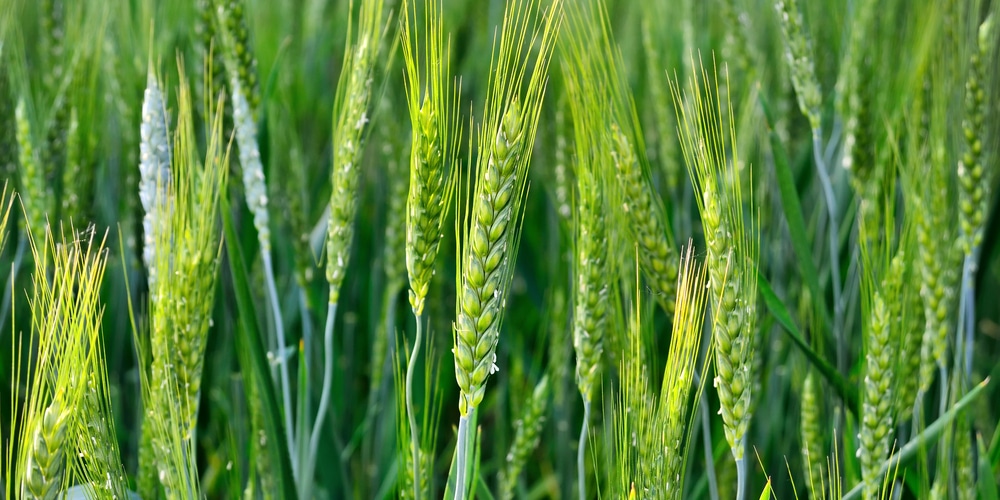
Zimbabwe has planted 78,458 hectares of winter wheat, representing 63 percent of the national target of 125,000 hectares.
In an update released on Saturday, the Ministry of Lands, Agriculture, Fisheries, Water and Rural Development said planting progress was ahead of the corresponding period in 2025, reflecting improved preparedness by farmers and strong support from Government and stakeholders.
“As of 28 May 2026, a total of 78,458 hectares had been planted under winter wheat, which translates to 63 percent of the national target of 125,000 hectares,” the Ministry said.
The Ministry noted that the country’s favourable water situation continues to provide a strong foundation for winter wheat production.
“National dam levels remain above 93 percent, with most dams in Masvingo and Matabeleland South Provinces now at 100 percent capacity. This places the country in a strong position to support irrigation-based winter wheat production,” said the Ministry.
According to the Ministry, irrigation remains central to the success of the winter cropping programme, with approximately 80 percent of the anticipated wheat crop expected to be grown under irrigation.
“The winter wheat programme will largely be driven by irrigation, with 19,000 hectares targeted from irrigation schemes. About 66 percent of the wheat crop is expected to be irrigated using water from major dams across the country,” the Ministry said.
The Ministry, however, indicated that more work was needed to maximise production from existing irrigation infrastructure.
“Zimbabwe has more than 460 irrigation schemes nationwide, of which 331 are currently functional. Despite this capacity, less than 2,000 hectares have so far been planted under irrigation schemes, highlighting the need for accelerated planting efforts before the close of the planting window,” it said.
Mashonaland West emerged as the best-performing province, having achieved 62 percent of its planting target, followed by Mashonaland Central at approximately 60 percent and Mashonaland East at nearly 50 percent.
The Ministry urged farmers who were yet to plant to take advantage of the remaining days before the official planting deadline.
“Farmers are encouraged to complete planting by 31 May 2026 to ensure optimum yields and maximise the benefits of the available water resources and irrigation facilities,”it said.
Winter wheat is one of Zimbabwe’s strategic crops aimed at enhancing national food security and reducing grain imports.
Government has prioritised irrigation development and dam construction to support increased wheat production and move the country towards self-sufficiency in cereal production.