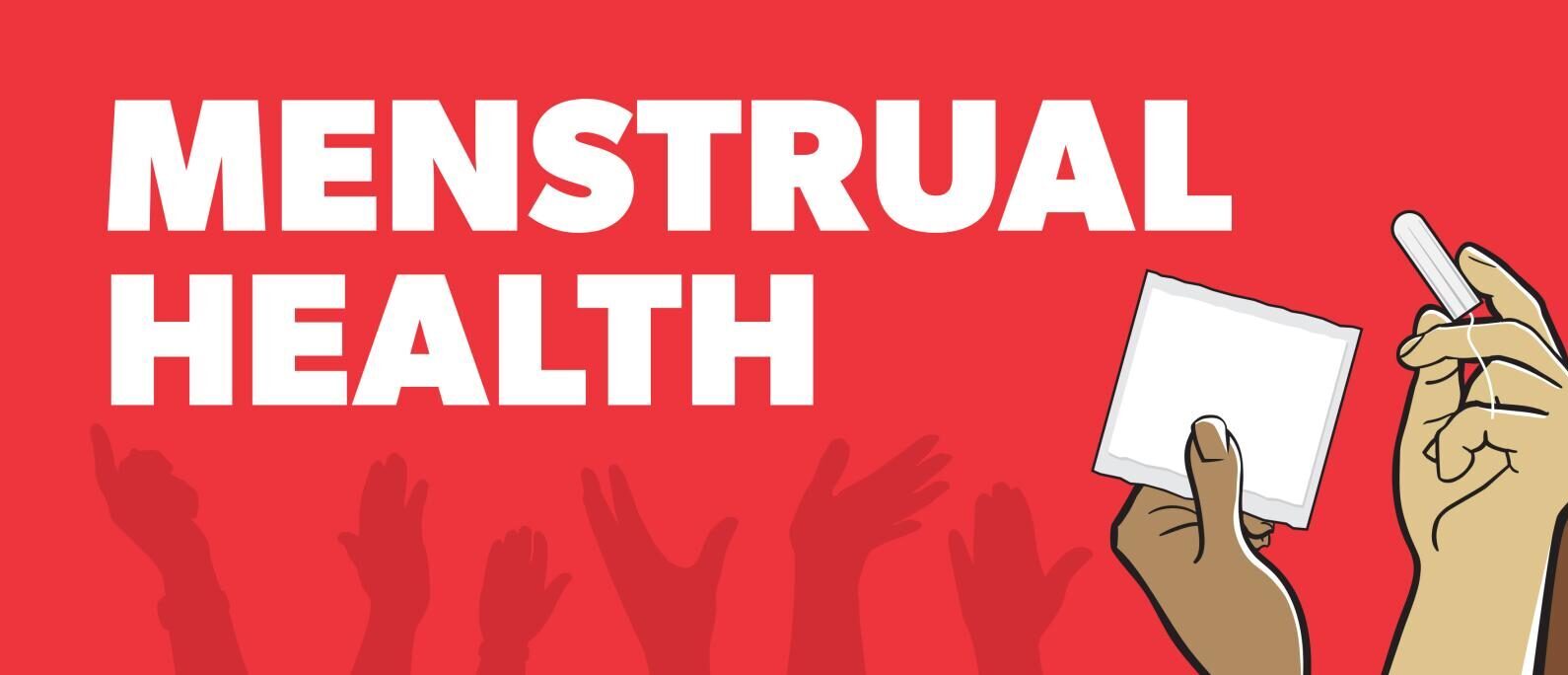
Government and development partners have been urged to strengthen the integration of menstrual health into disaster preparedness and humanitarian response systems as part of broader efforts to promote gender equality and social protection.
Gender justice advocates say climate-related disasters, rising living costs and global supply chain disruptions are increasingly affecting access to menstrual products, particularly in vulnerable communities, underscoring the importance of coordinated and inclusive responses to safeguard dignity and wellbeing.
Speaking during a SHE and Rights session marking the International Day of Action for Women’s Health and Menstrual Hygiene, Founder of the Global South Coalition for Dignified Menstruation and Nepalese nurse and activist Radha Paudel said menstrual health must be fully recognised within humanitarian and development planning.
“Dignified menstruation is rooted in the right to dignity, right to freedom, right to equality and right to non-discrimination,” she said.
“It means that whether menstruating persons are in evacuation camps, refugee camps or disaster relief settings, their needs must be prioritised. Menstruation does not stop because of crisis, so response systems must ensure adequate support and dignity for all affected persons.”
Paudel said strengthening menstrual health systems contributes to broader goals of inclusion, dignity and social protection.
“Menstrual dignity is part of ensuring that no one is left behind. It is about strengthening equality and recognising the needs of menstruators within development and humanitarian systems,” she said.
SHE and Rights campaign coordinator Shobha Shukla said global challenges are increasingly affecting access to essential health and hygiene products.
“We are living through a poly-crisis including inflation, climate-induced disasters and supply chain disruptions, all of which affect access to basic necessities, including menstrual products,” she said.
“For many households, this means balancing competing needs, but it also highlights the importance of strong social protection systems that ensure dignity for all.”
Stakeholders said integrating menstrual health into broader health, gender and disaster response frameworks would strengthen resilience, support inclusive development and contribute towards global sustainable development